
Colorado Springs Utilities Puts a Fair Price on Rooftop Solar

Colorado Public Radio (CPR) reported this week that Colorado Springs Utilities (CSU) wants to change its rules for “how solar customers are billed and credited.” The story details how rooftop solar owners feel duped and their regret over having invested in solar. This isn’t a simple “utility-versus-solar-owners” story, though. Rooftop solar is currently paid more […]
Colorado’s Renewables Milestone Looks More Like Subtracting Coal than Adding Wind and Solar
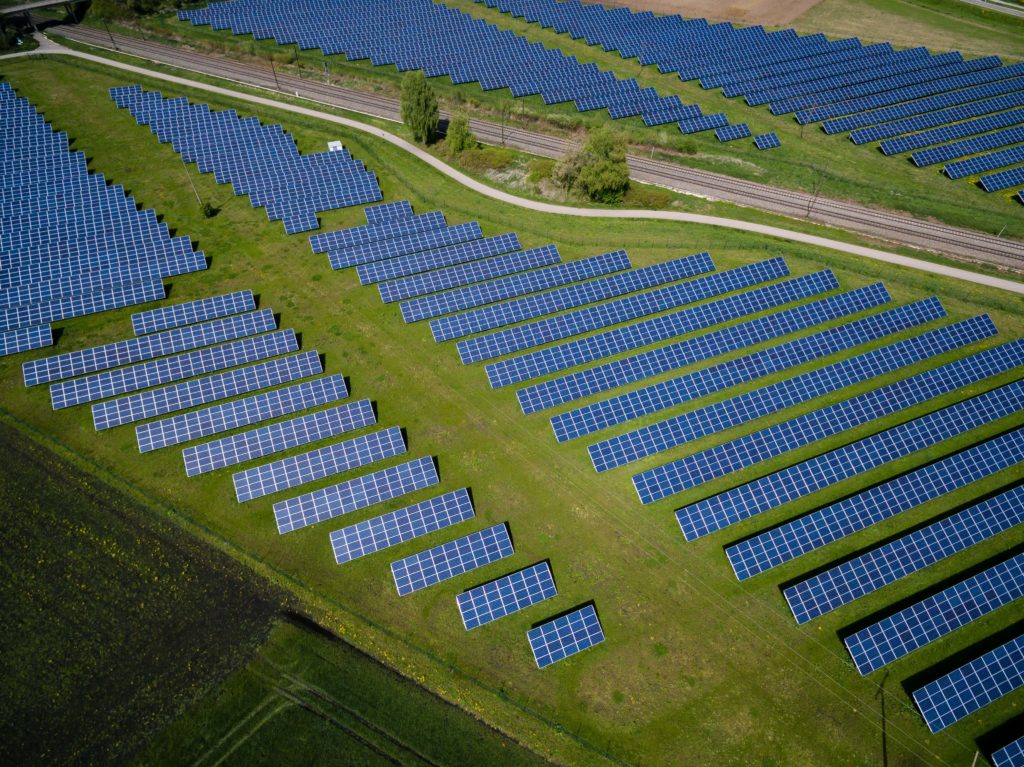
Allen Best, at his blog Big Pivots, published recently that Colorado hit a milestone of 53% renewable generation: Colorado achieved an energy and climate milestone during the first quarter of 2026. During those three months, 53% of electricity in Colorado came from renewable sources, up from 43% in 2025, according to an Energy Information Administration report […]
NERC 2026 State of Reliability Bears Warnings for Colorado
The North American Electric Reliability Corporation’s (NERC) 2026 State of Reliability report contains lessons for Colorado’s electricity sector. While the grid as a whole “continues to deliver reliable electric service,” challenges are mounting thanks in part to the “declining availability of aging combustion generation.” NERC’s report finds that power plants failed more in 2025, with the fleet-wide forced outage rate climbing to 9.2 percent against “historical norms rarely exceeding” 8 percent. Coal-fired […]
How Colorado’s Grid Fared During Winter Storm Fern
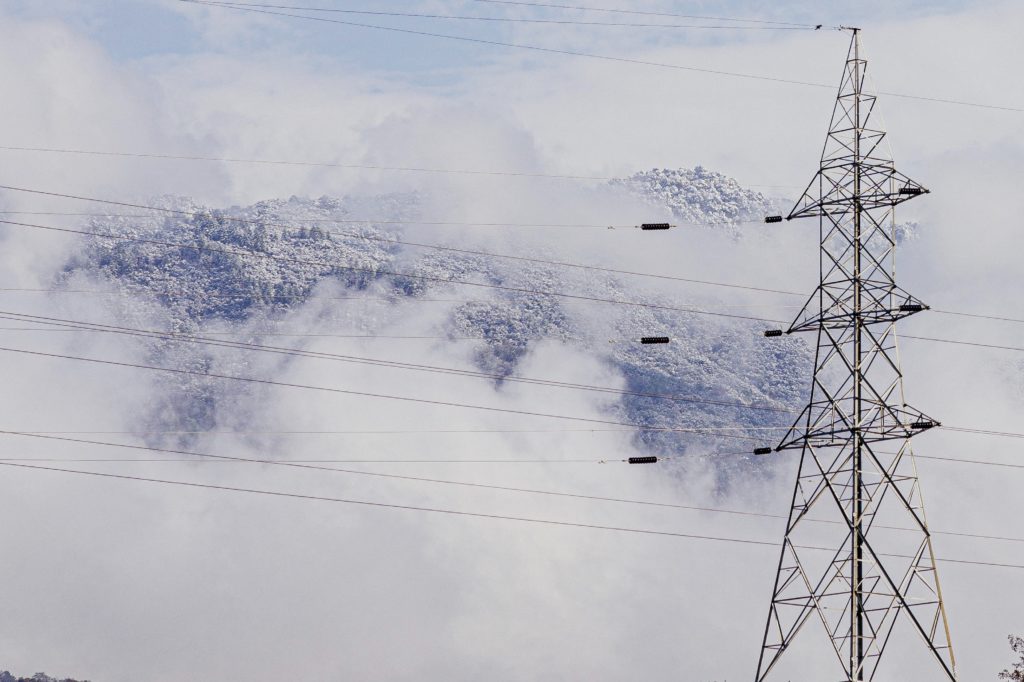
By Sarah Montalbano Winter Storm Fern brought more than snow and ice to Colorado last month. It brought data that state policymakers should find uncomfortable: thermal resources provided 85 percent of Xcel Energy’s electricity when residents needed it most. Energy Information Administration data shows that on January 24, 2026, Xcel Energy in Colorado generated 66 percent of its […]
The Big Short(fall): Colorado’s Upcoming Power Plant Closures and Planned Replacements

By Ethan Cornell* Introduction The data summarizing planned generation closures in Colorado signals a rapid and profound infrastructural transformation. The schedule details the planned retirement of 10 major coal-fired units between 2025 and 2031, collectively representing a loss of nearly 4,200 megawatts (MW) of nameplate capacity. The primary policy question this raises is whether the […]
Colorado Utilities Signal Pain Ahead for Energy Transition

Sample excerpt here…
Jake Fogleman Talks Natural Gas Saving Colorado’s Grid, Nuclear Energy on the Mandy Connell Show

Policy analyst Jake Fogleman joined the Mandy Connell Show on 850 KOA to talk about his article on Colorado’s dunkelflaute episode that saw fossil fuels save the stability of Colorado’s electric grid. They also discuss the pros and cons of nuclear power and why the state’s policymakers would be wise to consider championing it if they […]
Fossil Fuels Bail Out Colorado’s Grid Yet Again
Coloradans might want to begin brushing up on their German. At least enough to be familiar with the word Dunkelflaute, which roughly translates to “dark doldrums.” The term describes a weather pattern of low wind and limited sunlight that makes generating electricity from renewables nearly impossible. The event is relatively common in northern and western Europe during […]
Polis and Ganahl Spar Over Colorado Energy Policy

A conflict of visions was on display last night at the Colorado gubernatorial debate hosted by the Colorado Springs Gazette. That conflict was readily apparent during the discussion of energy issues facing Colorado. The section on energy runs from 39:48-45:12. Some highlights: -Republican candidate Ganahl called for encouraging local oil and gas production which she said […]
Energy and Land-Use: Rural Communities Continue to Spurn Renewables
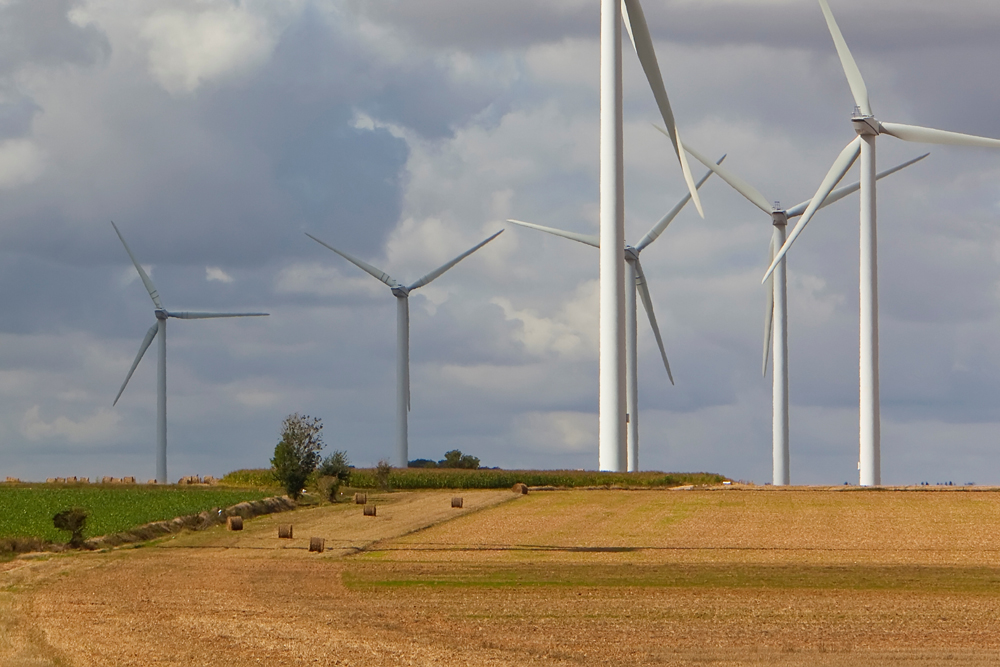
Robert Bryce has a great piece in RealClearEnergy today on the latest land-use conflicts roiling planned wind and solar buildouts across rural middle America. From the piece: The hype about wind and solar energy keeps colliding with the hard reality of land-use conflicts. Nowhere is that more obvious than in Ohio, where 41 townships have […]
Fudging the Numbers: How Colorado Policymakers Mislead on Energy Costs

An increasingly common theme of the energy policy debate here in Colorado, particularly among renewables advocates, is the trumpeting of cost statistics purporting to show the affordability benefits of transitioning to wind and solar over legacy fossil fuel plants. Take, for instance, a recent statement made by Governor Jared Polis during a gubernatorial debate late […]
Don’t Let Anyone Tell You Nuclear Takes Too Long to Build
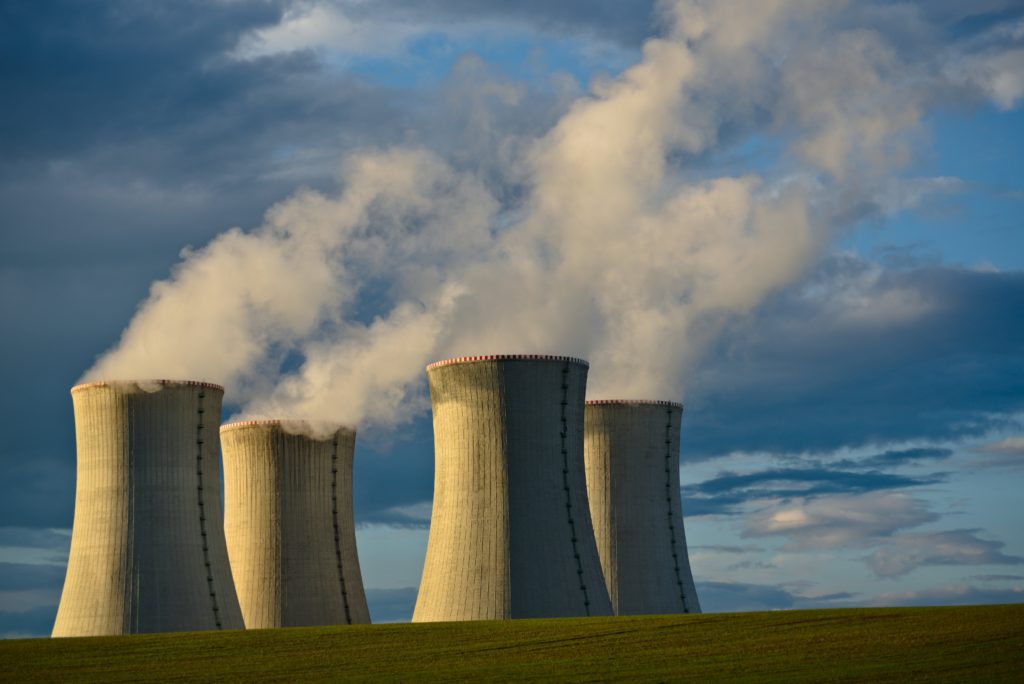
I’ve extolled the virtues of nuclear energy for its reliability, clean emissions, efficient land use, “just transition” potential, and energy security upside on several occasions. I’ve even documented why many of the fears surrounding nuclear and aversion to its deployment are often irrational and misguided. But one of the legitimate, good-faith critiques of nuclear is […]