
Colorado Lawmakers (Mostly) Read the Room on Energy in 2026
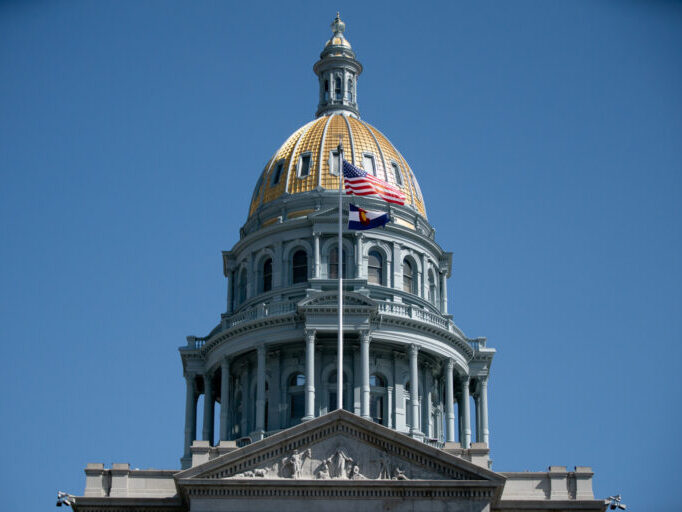
Before Colorado’s 2026 session started, Independence Institute’s energy team was expecting to see bills introduced to drag the state’s net-zero timeline forward. It never happened. Twenty-eight energy bills were introduced, and the ones that passed and were signed spoke to Coloradans’ justified reliability and affordability concerns. It seems that Colorado lawmakers finally started to read […]
Xcel Says It Can’t Shut Down its Coal Plants by 2030. Believe Them.

Xcel Energy’s March 2 filing with the Colorado Public Utilities Commission (PUC) reads like a company trying to get ahead of a crisis. On paper, it might be just a simple status update about Comanche Unit 3, a coal-fired plant near Pueblo, which is undergoing repairs. Instead, Xcel sounds the alarm about grid reliability. According […]
Independence Institute Tells the Public Utilities Commission to Reconsider Forced Electrification Rulemaking

In the 2021 legislative session, the Colorado General Assembly passed SB21-264, a first-in-the-nation law requiring the state’s gas distribution utilities to reduce their greenhouse gas emissions by 4% by 2025 and by 22% by 2030, from a 2015 baseline, by filing “Clean Heat Plans” with the Public Utilities Commission (PUC). Since then, Colorado gas utilities like […]
Gone with the Wind: Weather Dependent Energy Puts Residents at Risk

The power grid in Texas is a little bit under the weather. A major heat wave has arrived just as the wind stopped blowing, creating a perfect storm for residents looking for relief from the blistering summer sun in the country’s second-largest state. As Bloomberg reports: Wind power — a key source of electricity in […]
Woodstock for Microgrid and Energy Geeks

Save the Date! Join us for the first ever Colorado Microgrid Summit on Friday, November 8th! We don’t want to be like California. Really. We don’t. The stories and headlines coming out of Golden State are frightening after the nation’s biggest utility Pacific Gas & Electric cut off power to more than a million people […]
CO electric rates rise along with increase in preferred energy mandate
In 1999 Colorado enjoyed some of the lowest electricity rates in the United States and the Mountain West. In 2004, Colorado voters approved Amendment 37, requiring investor owned utilities to provide 10 percent of the electricity sold to end users to come from the preferred sources wind and solar. Since 2004, the Colorado state legislature […]
Legislative Preview: 2014 Energy Bills
Current through January 24, 2014 Reform defeated: SB14-035 Renewable Energy Standard Repeal *postponed indefinitely* Senate Bill 35, introduced by State Sen. Ted Harvey, would have repealed “substantially all of the provision enacted by Senate Bill 13-252” by returning the renewable portfolio standard to 10 percent from 20 percent for rural cooperative electric associations, among other […]
Frack Attack: Cracking the Case Against Hydraulic Fracturing
A ban on fracking would not satisfy those who present general arguments against any kind of development. Acceptance of these arguments would require an outright ban on all oil and gas activities, new wind farm construction, electric transmission construction, residential housing developments, road construction, and the like. Before accepting any argument against fracking as sufficient grounds to restrict or ban its use, one should take that argument to its logical conclusion and consider the full set of repercussions. For if such arguments are granted valid status, they will be used again and again by whichever parties can benefit from shutting down any particular form of development.
EPA report is blessing in disguise for fracking advocates
by Donovan Schafer In a recent report, the EPA linked groundwater contamination in Pavillion, Wyoming, to the controversial practice of hydraulic fracturing (“fracking”) used to extract oil and gas. You can almost hear the collective “Hooray!” from anti-fracking advocates. But the actual data in the EPA report make it clear that fracking is safe. The […]
Guess Which Governor Has the Worst Ideas on Energy Policy?
Today I posted the first annual “Energy Policy: Top 5 Worst Governors” list. Click here, to see for yourself who’s the worst. (Hint: He coined the term “New Energy Economy.”)
Small May Be Beautiful, but Coercion Is Not
A new report from Oregon’s Department of Environmental Quality urges the state to give people incentives to live in smaller homes or disincentives to live in larger ones. A Life Cycle Approach to Prioritizing Methods of Preventing Waste from the Residential Construction Sector reviews the energy costs of various styles of homes and comes to […]
EPA’s Ozone Decision Means That HB 1365 Is Most Cost-Ineffective Environmental Policy, Ever
The putative mission of HB 1365 is for Colorado to address “reasonably foreseeable” federal air quality regulations in a holistic fashion, which is supposedly more cost-effective than a piece-meal approach. When it rolled out the legislation, the Ritter administration told the PUC that there were eleven “current and foreseeable air quality requirements (see slides 13 […]