
The Electoral College In Context—or Some Interesting Stuff You Might Not Have Thought About – 3rd in a Series
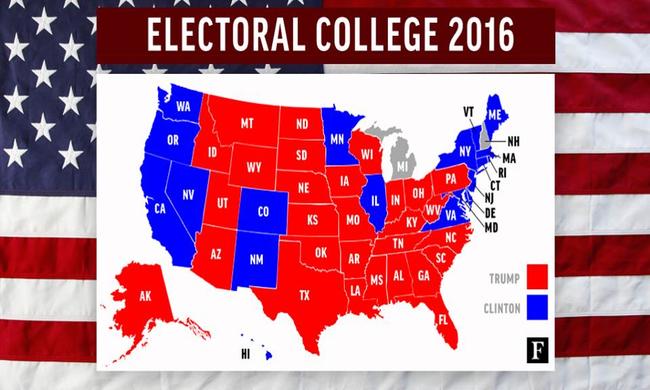
The Electoral College is not part of the U.S. government, nor are the electors government officials.
Electoral College Rules Made Simple (or, rather, less complicated)—2nd in a Series
During the founding era, election rules were said to fix the “manner of election” . . . This term embraced . . . five categories.
Why Did the Framers Create the Electoral College?—1st in a Series
The delegates . . . found the question of how to choose the federal executive one of the most perplexing they faced. People who want to abolish the Electoral College usually are unfamiliar with how perplexing the issue was—and still is.
Activists Can Spend Their Time Better Than Trying to Resurrect the Zombie “Equal Rights Amendment”

[I]t became clear the ERA was a poorly-drafted measure that would do little for women’s rights. It would have transferred massive amounts of power away from local governments and elected representatives, handing it instead to lawyers, judges, and bureaucrats.
Fourth in a Series: John Dickinson’s Contributions to the Constitution
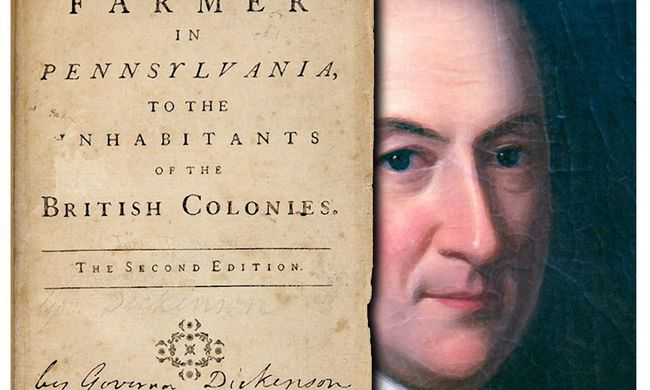
The list of constitutional provisions impacted by Dickinson is a very long one.
Third in a Series: John Dickinson During the Continental and Confederation Periods
Dickinson was one of the few to free his own slaves during his lifetime.
First In a Series: John Dickinson Comes Into Prominence
This year marks the 250th anniversary of one of the most influential series of writings in American history.
Part I: Judicial activism: Here’s a core reason for it you’ve never heard about
The Founders erected the American legal system to operate in the context of Anglo-American judicial values. The rules placed expressly or implicitly in the Constitution . . . were designed to operate in that context. However, the context changed.
Drafting a Balanced Budget Amendment: It’s tougher than you might think
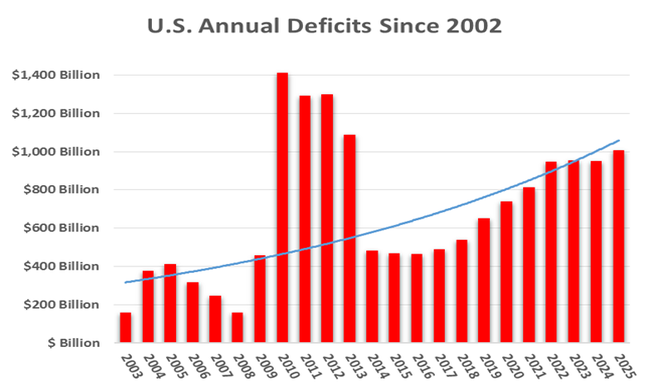
Of course, it is one thing to criticize, but another to try to craft something better.
With due respect to the Supreme Court, some campaign finance laws are unconstitutional
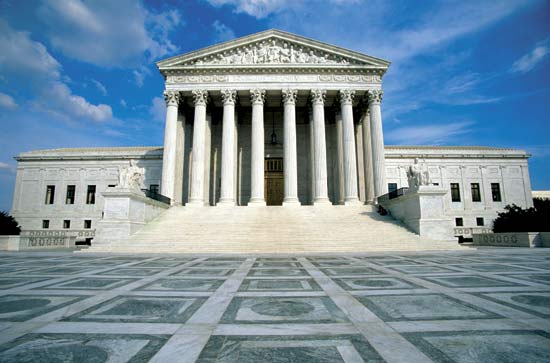
But Citizens United included a second decision, one rarely mentioned. In this part of the case, the court upheld federal laws requiring contributors to political ads to publicly reveal their names. Unlike the first ruling, the second was a constitutional mistake. Although the court has since reaffirmed its position, it should promptly reconsider.
Supreme Court’s Ruling Against the PC Police

The Supreme Court’s decision this week in Matal v. Tam sent a clear warning to government officials who seek to curtail speech they deem offensive: We won’t let you do it! The warning was particularly pointed for the PC Police at state universities who try to close down viewpoints they find “offensive.” A federal law ordered the […]
The Define and Punish Clause doesn’t authorize vast federal power either

Legal commentators have spread a good deal of ink trying to show that the Constitution authorizes the enormous expansion of the federal government since the 1930s. Leading the way have been some associated—as professors, students, or alumni—with the most privileged educational institutions: Harvard, Yale, Chicago, and so forth. Their publications inflated the Commerce Clause to […]
