
What a Hidden Supreme Court Case Tells Us About the Constitution
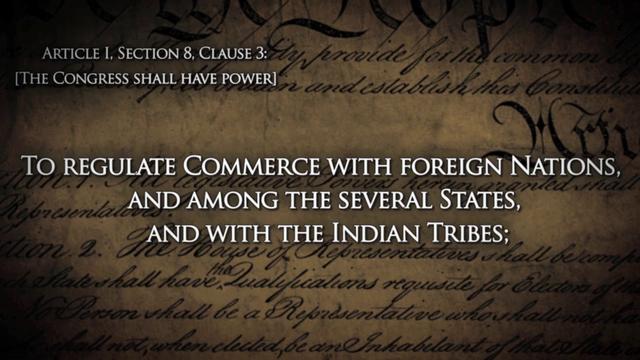
This Commerce Clause case has been buried—deep. Probably because it makes modern writers uncomfortable.
The Slippery Constitutionality of Open Primaries
A new SCOTUS decision adds further doubt about state laws forcing political parties to open their candidate selection procedures to non-party members.
A Constitution Day Roadmap For The Supreme Court

In celebration of Constitution Day, SCOTUS should correct some of its worst mistakes.
The 1768 Massachusetts Circular Letter: A Forerunner to the Constitution
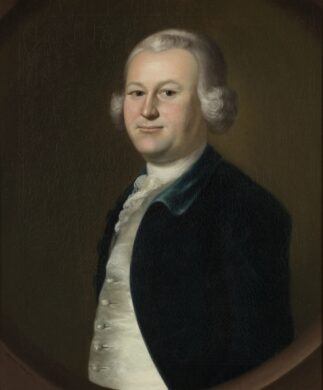
This letter anticipated important aspects of the Constitution, written two decades later.
More Problems with Open & Semi-Closed Primaries
Democracy works best when voters are offered contrasting policy options. The traditional closed primary system gives the voters better general election choices.
New Study: Why Montana Needs a New Constitution
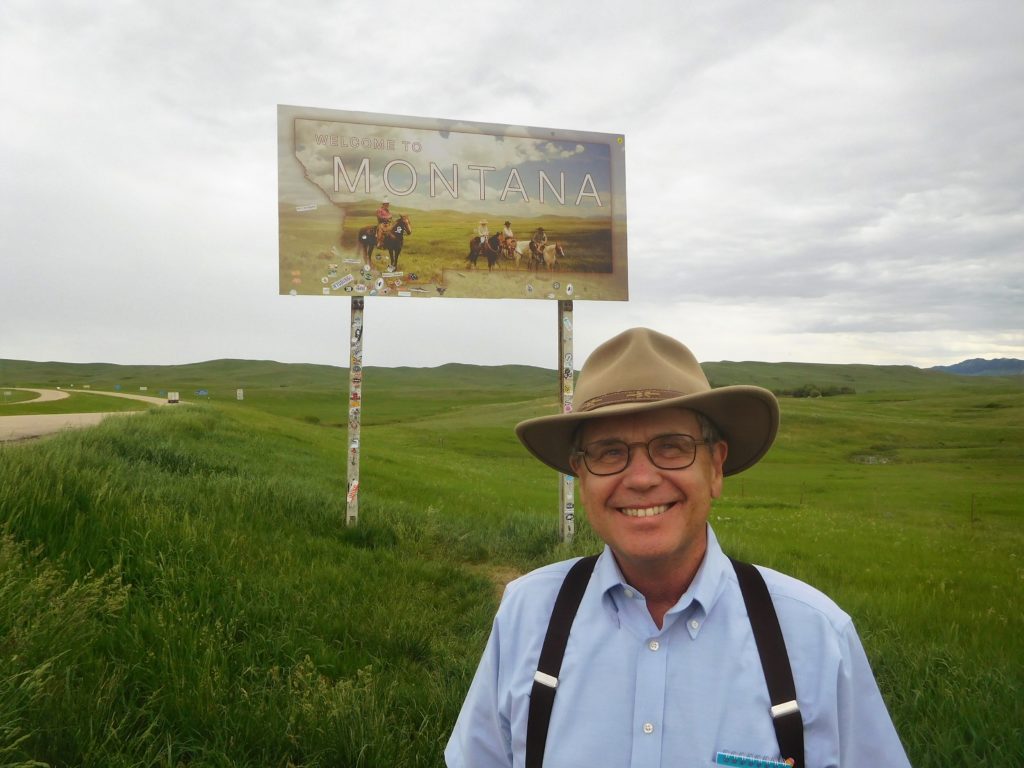
Among the current constitution’s problems are ambiguous and contradictory wording and the fact that the voters likely never ratified it.
New Supreme Court Case Reopens Question About the 2020 Presidential Election
An apparent violation of federal law caused Pennsylvania, and perhaps other states, to flip from Trump to Biden.
Another Colorado Attack on the First Amendment Goes to the Supreme Court
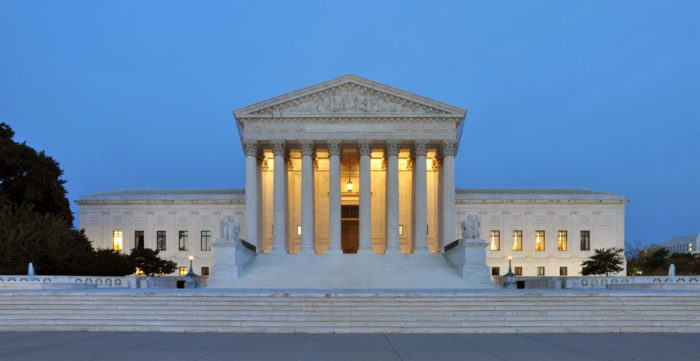
Since taking control of the state a decade ago, “progressive” leftists have repeatedly disgraced Colorado by trampling the First Amendment.
The impact of three U.S. Supreme Court rulings on free enterprise
Accurate interpretation of the Constitution often promotes free markets.
Abolish the CDC and NIH
All of these are easily accessible examples of CDC and NIH politicization. . . . Only whistleblowers can reveal the full extent of the rot within.
Birthright Blunders
The Supreme Court made mistakes, but the Trump administration also was at fault for adopting the wrong strategy.
Denver mayor’s toothless anti-ICE order fools the gullible
The author of this order is not a “legal illiterate.” He is a cynical grandstander . . .