

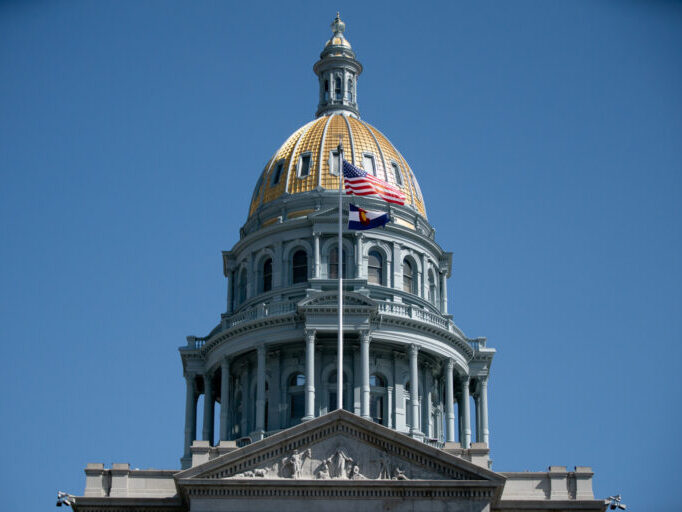


Before Colorado’s 2026 session started, Independence Institute’s energy team was expecting to see bills introduced to drag the state’s net-zero timeline forward. It never happened. Twenty-eight energy bills were introduced, and the ones that passed and were signed spoke to Coloradans’ justified reliability and affordability concerns. It seems that Colorado lawmakers finally started to read the room.
The Polis administration spent months circulating draft language to move the state’s net-zero emissions target up to 2040 from 2050. It shrank from a forty-page bill to a five-page framework, but even that didn’t get introduced. However, the bones of the mandate was part of the sausage-making of SB26-182, which lets Colorado Springs Utilities run the Ray Nixon coal plant through the end of 2032, three years past its 2029 retirement deadline, in exchange for a pledge to “seek to achieve” a 95% emissions cut by the end of 2039. This will apply not only to CSU but to any municipal utility that has “encountered challenges in achieving” its promised GHG reductions, and it will set a precedent for next time the legislature takes up emissions targets for investor-owned utilities and the rest of the state.
The net-zero bill-that-never-was didn’t end up being the only retreat. House Speaker Julie McCluskie floated late-session attempts to neuter a ballot initiative protecting residents’ access to natural gas, then pulled the measure days before adjournment.
The Public Utilities Commission sunset review bill was signed but only after bipartisan outcry softened its worst provisions. HB26-1326 as introduced would not have required another review of the PUC until 2037; the Commission could have ordered utilities to securitize assets; and commissioners would have been able to privately discuss adjudicatory matters, marking what the sunset report called a “dramatic departure” from the open-meetings status-quo.
Independence Institute testified against those provisions and more in the House Energy and Environment Committee in April — and judging by the packed hearings, no one across the political spectrum was satisfied by the initial version. The version Polis signed cut the review window to seven years, dropped the securitization mandate, and left the open-meetings status-quo. The legislature also included a provision to study the idea, raised in Independence testimony and by others, of expanding the PUC from three commissioners to five, which would lend more geographical and ideological diversity to the commission.
The bills that did become law were modest next to the sweeping changes made in the 2023 session, and they were couched in ratepayer and transparency language, not climate. HB26-1226 requires advanced pollution controls on units operating in 2037 and quarterly cost reporting for plants run past their planned retirement dates. The law is designed to make it difficult and expensive for Craig Unit 1, originally scheduled to retire at the end of 2025, to comply with its federal Section 202(c) emergency order to stay online. Amy Oliver Cooke, senior fellow in energy policy at Independence Institute, told Colorado Politics that “Colorado elected officials, regulators, utilities and environmental NGOs have repeatedly underestimated the cost and challenge of replacing inexpensive, reliable, dispatchable generation.” Laws like these only add costs to ratepayers.
All in all, Gov. Polis signed 12 energy-related bills, the remainder of which are covered in brief here:
- SB26-002 establishes a percentage-of-income payment plan for income-qualified utility customers, with arrearage credits and debt elimination. The program is an admission that rates are outrunning what a growing share of customers can pay; unfortunately, the costs won’t disappear and will need to come out of others’ wallets, whether through tax dollars or the bills of other ratepayers.
- HB26-1081, the “Colorado Grid Optimization Act,” requires Xcel Energy, Black Hills, and Tri-State to analyze advanced transmission technologies.
- HB26-1051 continues the microgrids for community resilience grant program.
- HB26-1225 expand requirements for community solar gardens, barring utilities from collecting interconnection costs up front.
- HB26-1007 allows customers to use plug-in, portable-scale solar devices, bars utilities from requiring pre-approval, and voids homeowner association covenants that prevent them.
- SB26-142 cuts red tape for the development of geothermal energy resources while simultaneously requiring IOUs to solicit bids for projects.
- HB26-1268 creates renewable energy reinvestment areas to steer projects onto previously disturbed lands.
- HB26-1420 streamlines approval of light-mitigating technology at wind facilities, a quality-of-life fix for Coloradans living near a proliferation of wind turbines.
- HB26-1303 makes technical changes to energy and carbon management statutes.
Colorado did miss an opportunity in HB26-1337, which was a bipartisan effort to require the Colorado Energy Office to help streamline development of nuclear energy projects and have Xcel solicit reactor sites. The bill cleared committee on a 7-6 vote before dying in Appropriations. That a nuclear-siting bill drew any consideration at all shows how far the debate has moved from emissions reductions at any cost.
Time will tell if the legislature’s gestures toward affordability, reliability, and ratepayer concerns are genuine. The 2027 legislative session will be a different beast, with a new Governor arriving in January.