
America’s WORST appeals court

Keep reading even if you are not from Montana: This article is a lesson on how judges should not conduct themselves.
Convention of States a path to restoring constitutional government
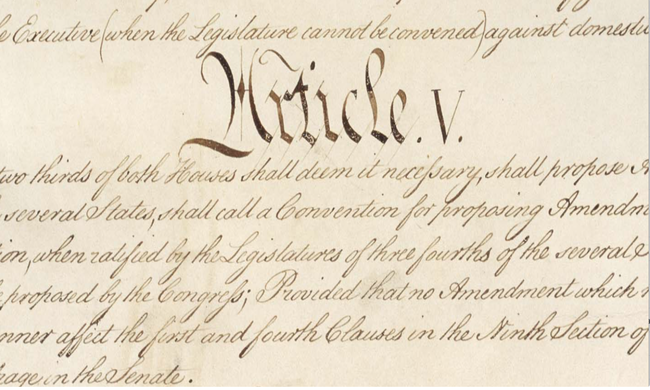
The amendment procedure is not a partisan device. It is a valuable constitutional right available to all Americans who want to improve their federal government.
What impeachment requires and why it wouldn’t be wise for Dems to push it

The political difficulty for the Democratic House if it tries to impeach the president is that the last time that party was in control, its own conduct fell far short of fiduciary standards.
In defense of the court decision striking down Obamacare

The truth is that the quiet death of the ACA would surely be less disruptive than its chaotic life.
Problems with Excessive Federal Land Ownership

The fact is that real estate socialism doesn’t work any better than most other kinds of socialism.
First-Ever Legal Treatise On the Constitution’s Amendment Process!

The new book collects over two hundred years of history, amendment practice, and court decisions.
“Progressives” want federal control of drugs—unless they are harmful
Colorado’s [marijuana “legalization”] is a jerrybuilt legal scheme that, like many other “progressive” programs, looks more like racketeering than true legalization.
It’s time to truly test the constitutionality of Obamacare

Previous Origination Clause plaintiffs lost because they attacked Obamacare’s taxes instead of its regulations. Plaintiffs suing for relief from regulations that harm them may have more success.
The Feds have a constitutional duty to stop the caravan at the border

[T]he caravan is an “invasion” within the meaning of the Constitution’s Guarantee Clause. Moreover, that Clause does not merely empower federal officials to repel an “Invasion.” It commands them to do so.
William Penn’s Charter of Liberties—one of our Constitution’s ancestors
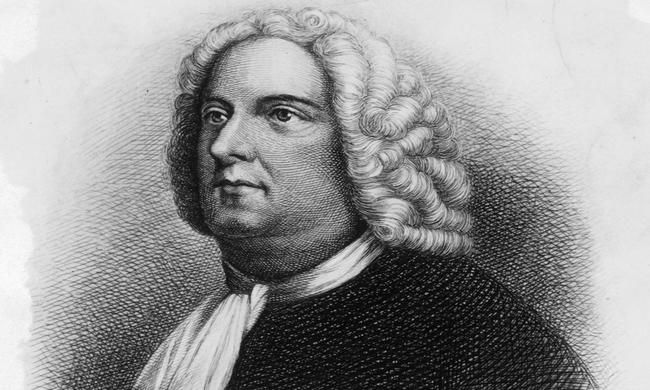
The Charter of Liberties and Frame of Government granted by William Penn to his colony on May 5, 1682 . . . was . . . a true colonial constitution.
First decision of the Supreme Court Term: a unanimous liberal result

The statute is based on an overly-expansive definition of congressional power . . . But no member of the court wrote a concurring opinion to point that out . . .
This Supreme Court term will show that there is no 5-4 “conservative majority”
The more traditional justices differ significantly in their legal methods and often reach liberal results.
