
The founder who told Americans we have a right to military weapons
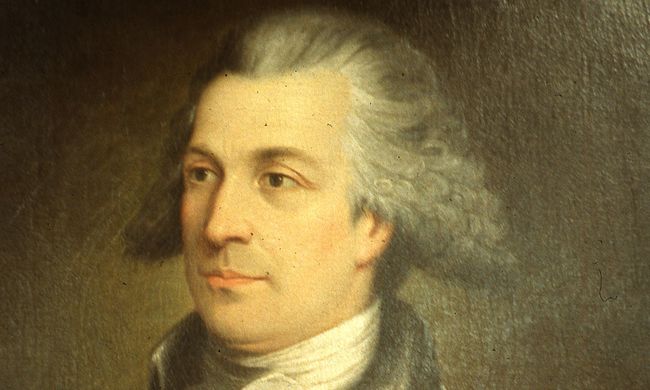
“THE POWERS OF THE SWORD ARE IN THE HANDS OF THE YEOMANRY OF AMERICA FROM SIXTEEN TO SIXTY … Who are the militia? are they not ourselves[?].”
New evidence on the “Power To . . . regulate . . . Commerce”
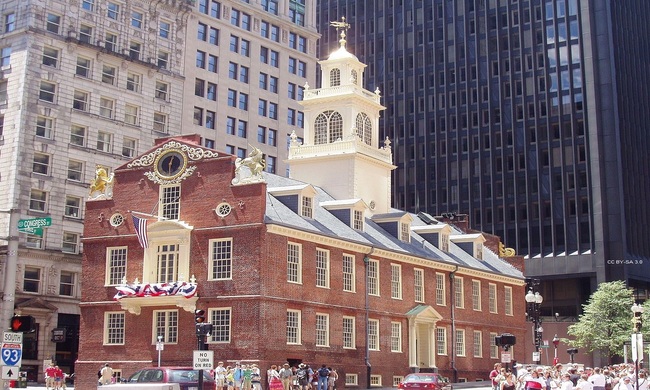
The three recently-issued Pennsylvania volumes . . . offer virtually no support to the commerce-is-everything school of thought. On the contrary, in the documents reproduced in this volumes “commerce” clearly refers to a concept separate from other economic and non-economic activities.
New evidence on the nature of amendments conventions
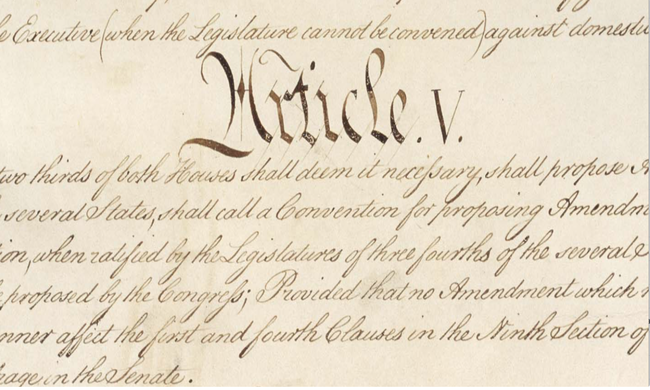
Some opponents . . . try to communicate that Madison opposed all amendments conventions. This is certainly not true,
Brexit isn’t the only example of elites undoing ballot measures
[D]uring the 1970s conservatives began to use initiatives to limit government power. . . . Judges seemed to think this was a threat, and judicial attitudes toward ballot measures began to change.
Some ‘Red Flag’ laws Are unconstitutional—and could kill more people than they save
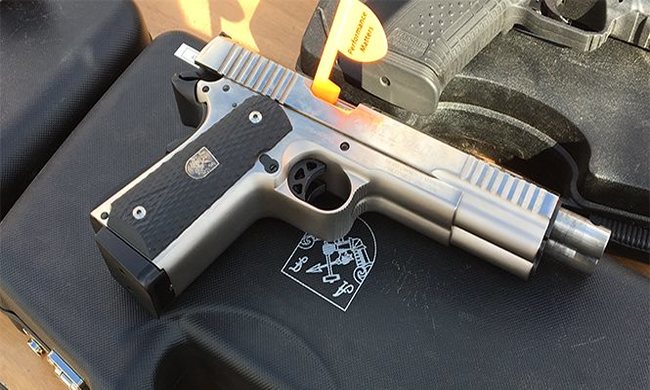
Some red flag laws ignore traditional safeguards.
Time to end the “emoluments” lawsuits against Trump
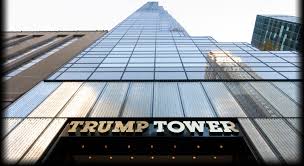
Arms-length market transactions simply are not “emoluments” as the Constitution uses the word.
More news on the Constitution’s ratification: the meaning of “militia” in the Second Amendment

This passage leaves nothing to inference: Coxe states explicitly that the militia consists of every man from 16 to 60 years of age.
News on the Constitution’s ratification: More evidence the feds are exceeding their powers
The Constitution created a strictly limited central government, which . . . would have no authority over religion, most criminal offenses, civil justice, social services, education, or most aspects of transportation or the economy.
Pelosi wants to lower the voting age to 16; it should be raised to 25
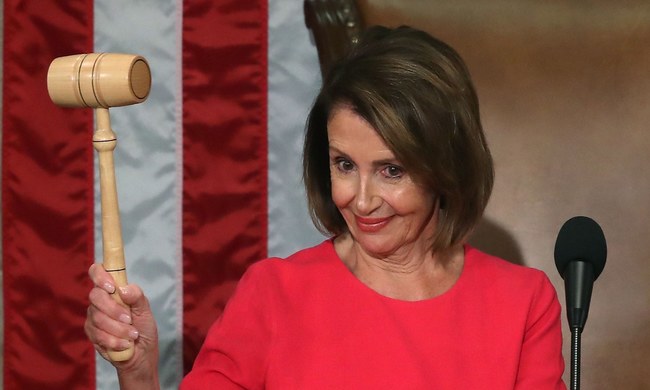
Science has discovered that the brain does not fully mature until age 25 . . . The record of governance in most countries that allow 16 year olds to vote—Brazil, Nicaragua, Argentina, etc.—has been truly wretched.
How a court imposed a state constitution the voters probably didn’t ratify
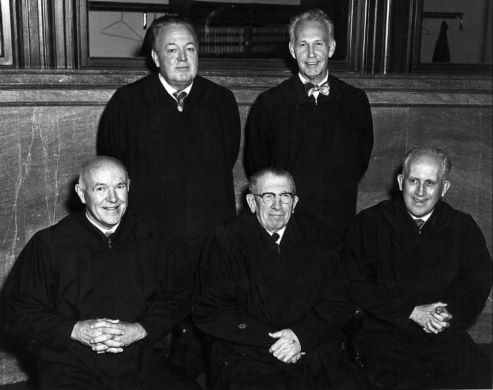
In 1972, the Montana Supreme Court decided one of the most important state constitutional cases in modern American history. By a 3-2 margin, the court ruled that the voters had ratified a new state constitution even though the number of “yes” votes fell below the majority required. The decision was particularly important because the new […]
What would America look like with an originalist Supreme Court?
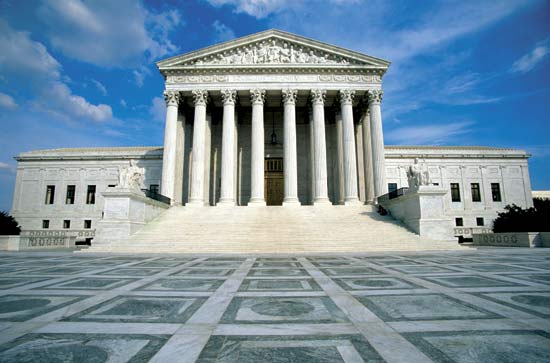
Originalism is the prevailing method of interpreting almost all legal documents. An originalist is simply a person who believes we should use the same principles to interpret the Constitution
The name “Montana”—from ancient Rome via Colorado
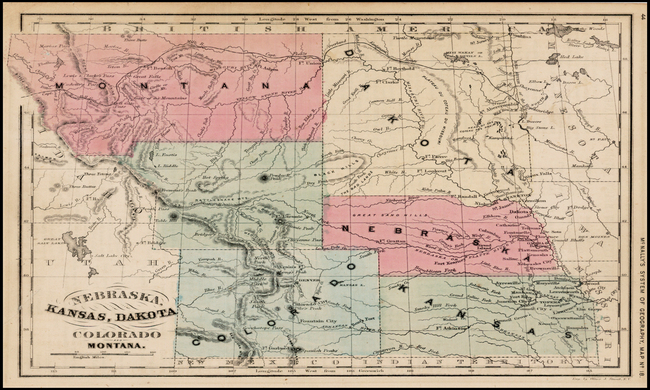
In 1858, gold miners established [a] town located near present-day Commerce City, Colorado. One of their number , , , suggested they call their settlement “Montana.” They agreed.
