
Abolish the CDC and NIH

All of these are easily accessible examples of CDC and NIH politicization. . . . Only whistleblowers can reveal the full extent of the rot within.
Was Elbridge Gerry the “Federal Farmer”?

New evidence supports the hypothesis that Gerry was the Federal Farmer.
Who Called the Constitutional Convention? The Commonwealth of Virginia
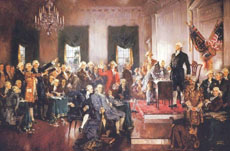
The Virginia legislature, not Congress, called the Constitutional Convention.
Answering the Latest Anti-Originalism Narrative

Originalism is not a new theory; it is very old. And it is not “unique;” it is how we normally interpret documents, and how the Founders expected the Constitution to be interpreted.
Defending the Founders’ Interpretation of the Constitution

Making up new ways to interpret the Constitution is unfaithful to the document. If the Founders had known people would do that, they would have written it differently.
Direct Taxes and the Founders’ Originalism
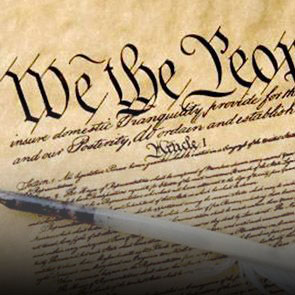
If the Framers had believed the Constitution would be construed by any rules other than those then prevailing, they would have worded it very differently.
Wealth Taxes and the Direct-Indirect Tax Controversy

A law imposing a federal wealth tax would be unconstitutional unless the projected revenue was apportioned among the states by population.
Clearing Up the Confusion About the Constitution’s Term “Direct Taxes”

Misunderstanding the Constitution’s term “direct tax” led the Supreme Court to erroneously uphold Obamacare. Next, it might lead to a new federal wealth tax.
The Great John Marshall, Part 4
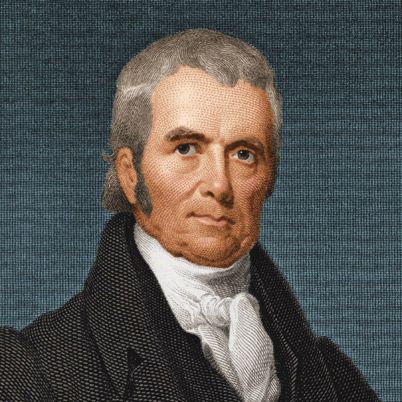
Marshall was not part of the “living constitution” project. He sought to interpret the Constitution according to “the intention of its makers.”
Alexander Hamilton, Richard Hooker, and the Necessary and Proper Clause
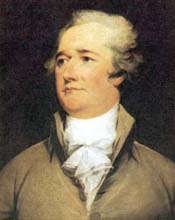
Alexander Hamilton may have borrowed part of his Necessary and Proper Clause analysis from a famous English theologian.
The Supreme Court’s Confused Decision in Haaland v. Brackeen
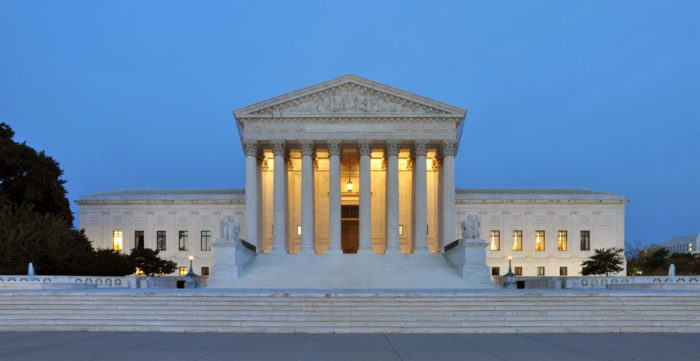
The Commerce Clause part of the decision is a mess. There is no more polite way to describe it.
Justice Thomas’s Latest Dissent: The Constitution and Federal Spending
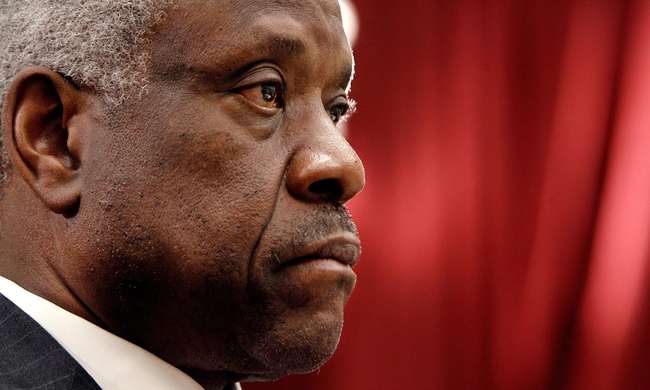
Justice Clarence Thomas frequently uses concurring and dissenting opinions to explain the Constitution’s fundamental principles.