
The end of representative government?
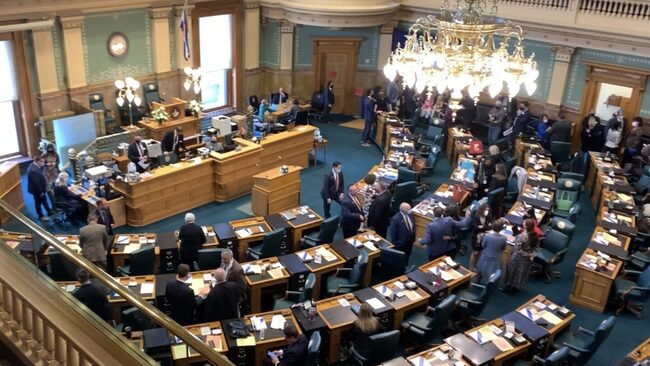
None of the four “progressive” mega-donors had any personal connections to most of the legislative districts they targeted. They didn’t live there, didn’t own property there, and in most cases probably had never seen the district.
The ideas that formed the Constitution, Part 20: Vattel and the Law of Nations
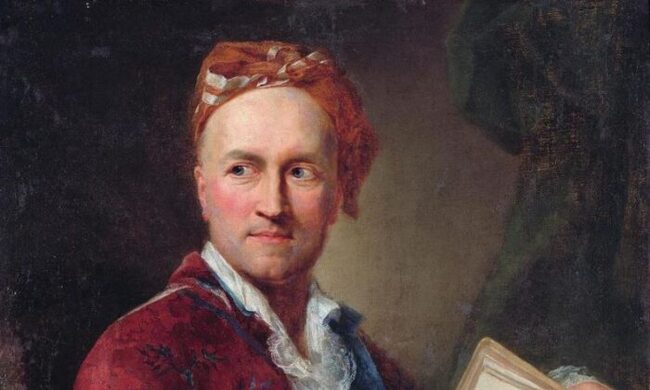
During the 17th and 18th centuries, five great scholars forged international law into its modern shape. The American Founders relied on their work.
New Video on the Limits of Congress’s Commerce Clause Power

Congress’ effort to regulate Indian child placement is unconstitutional.
The ideas that formed the Constitution, Part 17: Sir Isaac Newton

Newton exemplified the Scientific Revolution—an event that changed not only how people thought about the physical universe, but also how they thought about politics and government. This greatly affected the U.S. Constitution.
The ideas that formed the Constitution, Part 16: John Locke and the Ninth Amendment
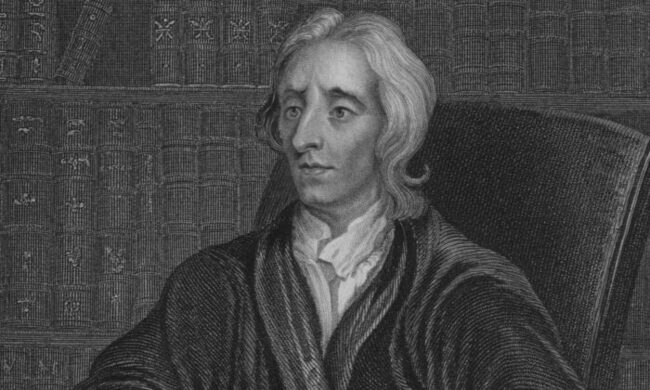
Locke’s writings contained many specific observations realized in the Constitution
The ideas that formed the Constitution, Part 15: James Harrington & Algernon Sidney
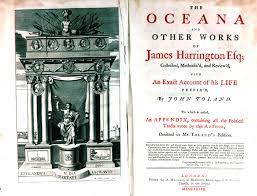
John Adams featured Harrington in the first volume of his encyclopedia of republican governments, which circulated at the Constitutional Convention.
The framers explained why the Constitutional Convention had authority to propose the Constitution
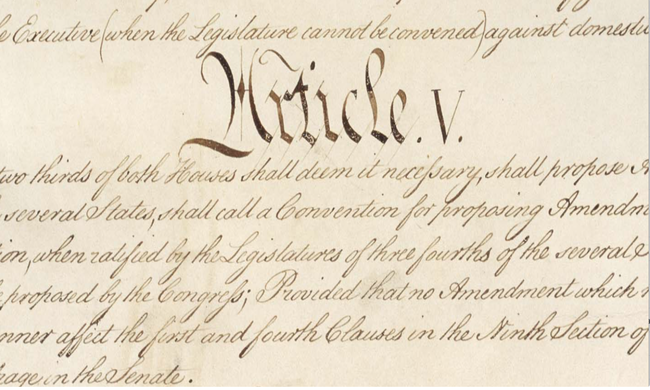
Key framers explained why the Constitutional Convention had authority to propose a new form of government.
The ideas that formed the Constitution, Part 13: Tacitus
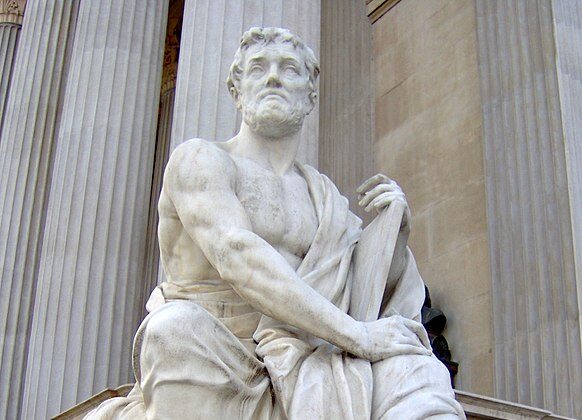
The most important lesson the Founders learned from Tacitus was that power corrupts.
No, a Convention of States Could Not Change the “One State/One Vote” Rule
Could a convention of states could change the “one state/one vote” rule to one based on population? The short answer is “No.” In at least 42 conventions of states and colonies over 350+years, there is no precedent for such a change. The possibility exists only in the fantasies of convention opponents. Defenders of the federal […]
The ideas that formed the Constitution, part 12: Plutarch
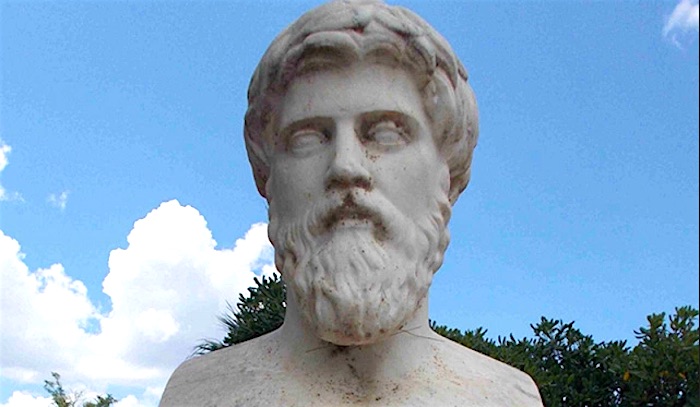
About 40 percent of the title characters in Plutarch’s biographies ended up as pen names in the constitutional debates,
The ideas that formed the Constitution, Part 11: Livy
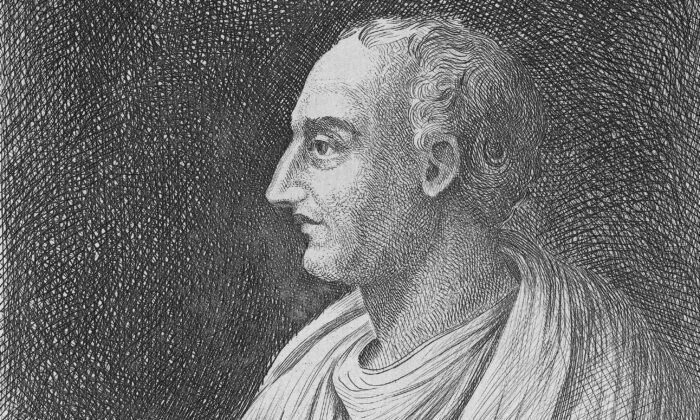
After studying him in school, as adults, many of the Founders remained devoted to Livy.
The ideas that formed the Constitution, Part 10: Virgil alone
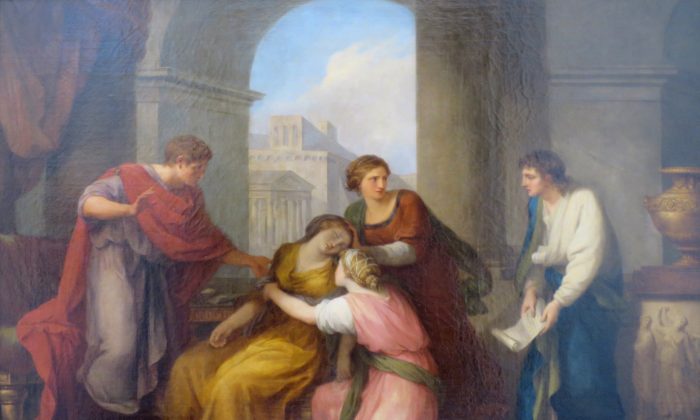
Participants in the ratification debates could supplement English by using Virgil’s expressions . . . Virgil gave their message more force.
