
Electoral College Rules Made Simple (or, rather, less complicated)—2nd in a Series
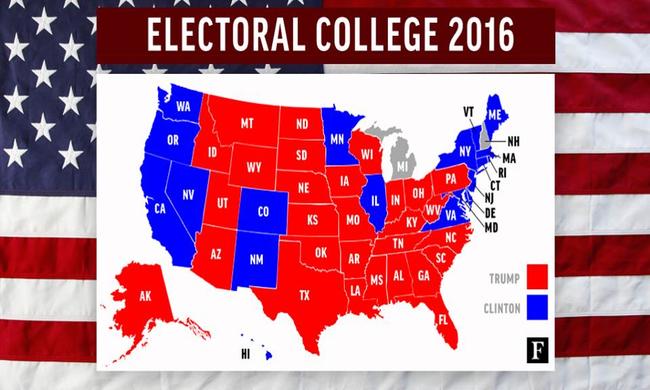
During the founding era, election rules were said to fix the “manner of election” . . . This term embraced . . . five categories.
Why Did the Framers Create the Electoral College?—1st in a Series
The delegates . . . found the question of how to choose the federal executive one of the most perplexing they faced. People who want to abolish the Electoral College usually are unfamiliar with how perplexing the issue was—and still is.
The Montana Supreme Court’s Demonstrable Bias Against “Conservative” Voter Initiatives
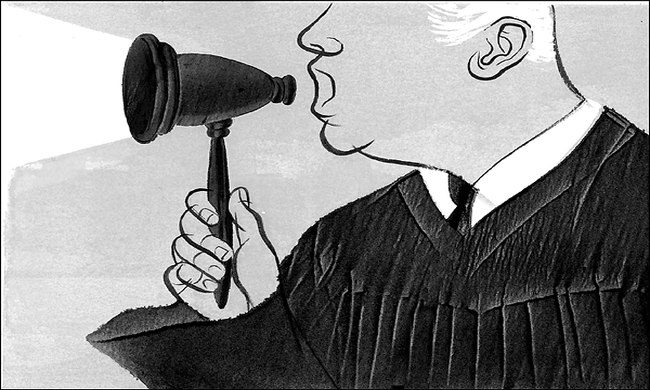
A Montana Policy Institute report documented the tribunal’s handling of ballot measures over three decades. Every measure expanding government power survived the Montana Supreme Court. Almost every measure restraining government died in the Montana Supreme Court.
Activists Can Spend Their Time Better Than Trying to Resurrect the Zombie “Equal Rights Amendment”

[I]t became clear the ERA was a poorly-drafted measure that would do little for women’s rights. It would have transferred massive amounts of power away from local governments and elected representatives, handing it instead to lawyers, judges, and bureaucrats.
The most ‘underrated’ founder’s influence on America’s Constitution
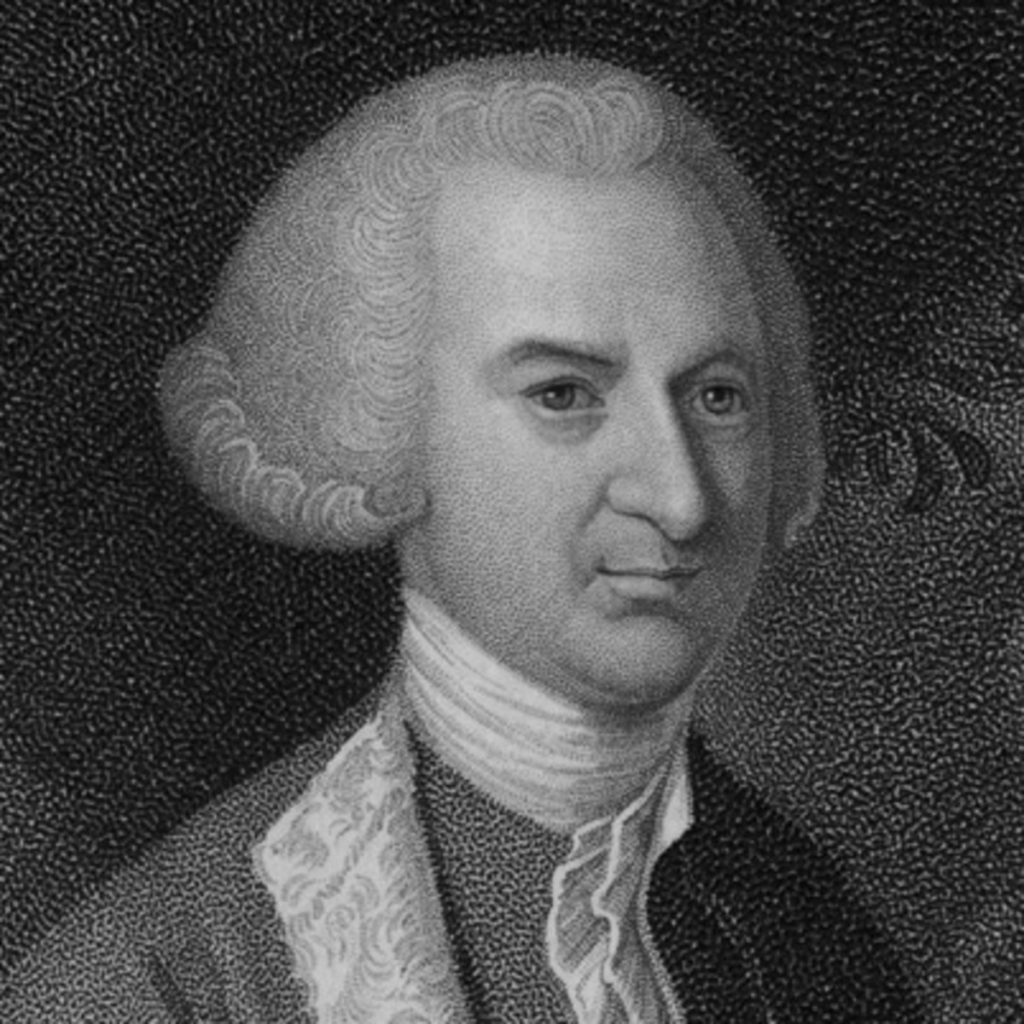
This much is clear: John Dickinson receives much more of our national gratitude than we have given him.
Fifth (and last) in a Series: John Dickinson and the Ratification of the Constitution
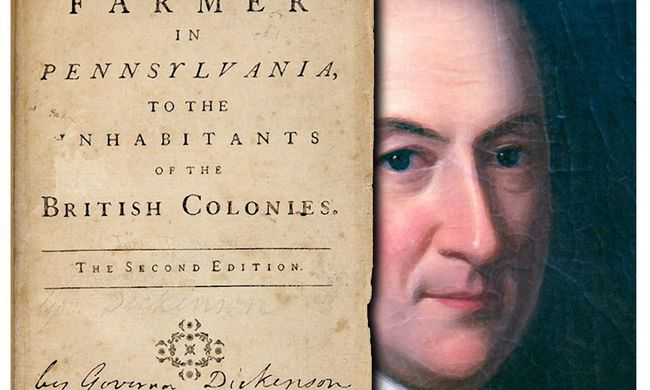
Any states that allowed the federal government to interfere in their sovereign jurisdiction would be guilty of a breach of trust, for the “trustees or servants of the several states” were obliged to protect the authority citizens had placed in them.
Fourth in a Series: John Dickinson’s Contributions to the Constitution
The list of constitutional provisions impacted by Dickinson is a very long one.
Third in a Series: John Dickinson During the Continental and Confederation Periods
Dickinson was one of the few to free his own slaves during his lifetime.
Second in a Series: The Message of the Farmer Letters
“We cannot be happy without being free,” Dickinson wrote in Farmer Letter XII. “We cannot be free without being secure in our own property … We cannot be secure in our property, if, without our consent, others may take it away.”
First In a Series: John Dickinson Comes Into Prominence
This year marks the 250th anniversary of one of the most influential series of writings in American history.
John Dickinson’s ‘Farmer’ Letters on Their 250th Anniversary
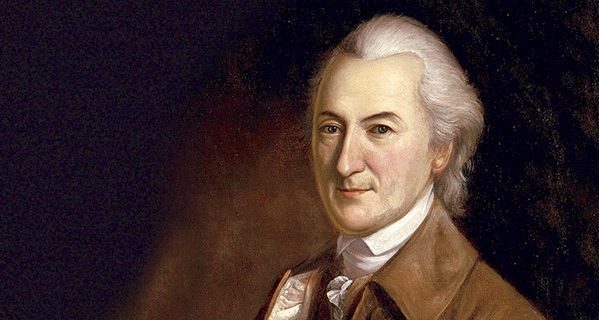
The Farmer letters went well beyond asserting the case against taxation without representation; they also helped clarify American constitutional thinking on other questions, including: Which government responsibilities should be exercised centrally and which locally?
A Response to a “Living Constitutionalist”
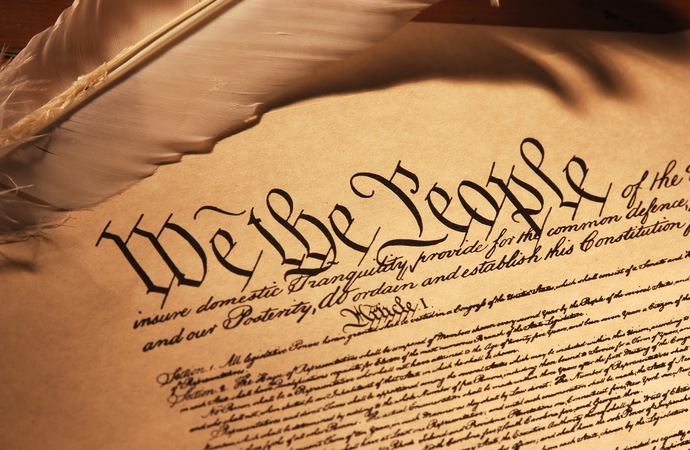
. . . law professors often corrupt their understanding of the Constitution with their own political preferences. . .
