
What the “expert” panel should have told you about impeachment—but didn’t
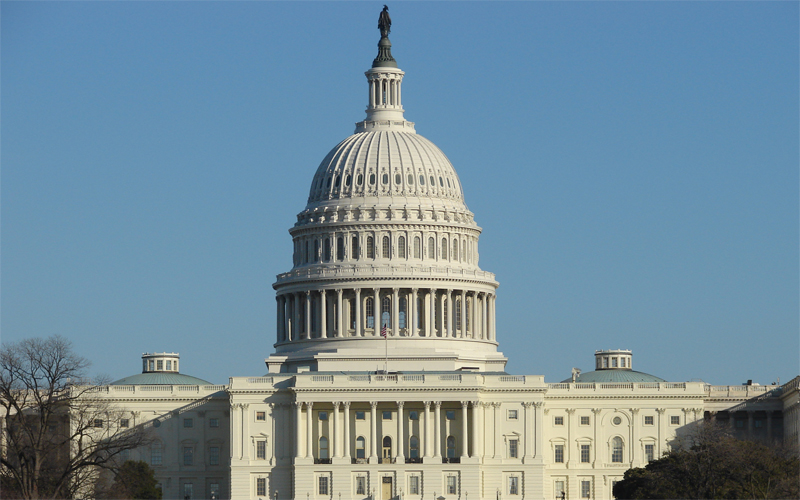
Impeachment law is not for amateurs. It rests on English parliamentary history extending at least as far back as the 1300s. . . .
Under the Constitution the President, not unelected bureaucrats, makes foreign policy
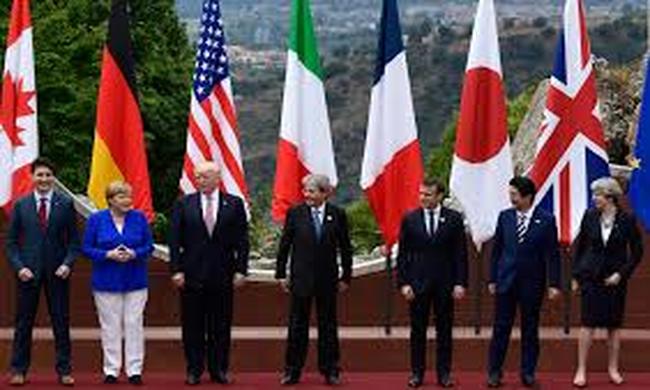
These witnesses and their congressional sponsors apparently believe the consensus of professionals should control foreign policy. . . . But the Constitution squarely repudiates this “foreign policy by committee” approach.
The Constitution tells us impeachment is valid even though the Speaker has not transmitted it
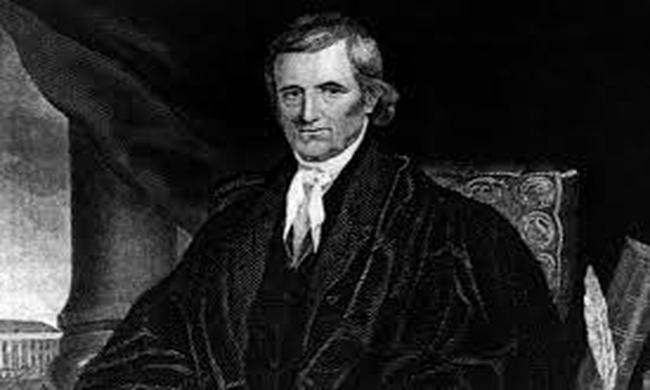
Nothing in the Constitution gives [the Speaker of the House a presidential-style veto.
The Judiciary Committee’s ex post facto approach to impeachment violates the Constitution

The committee’s decision . . . may be convenient for its purposes. But it violates both the rule of law and the American constitutional order.
Impeachment inquiry rules skewed heavily against the President
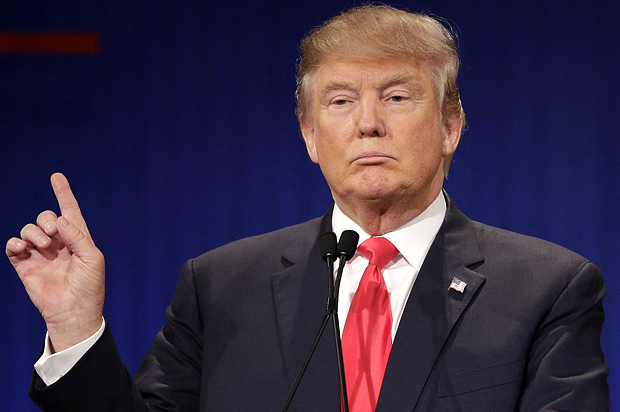
Unfortunately, the new House rules fall far short of even minimal due process standards.
What the Constitution says about impeachment
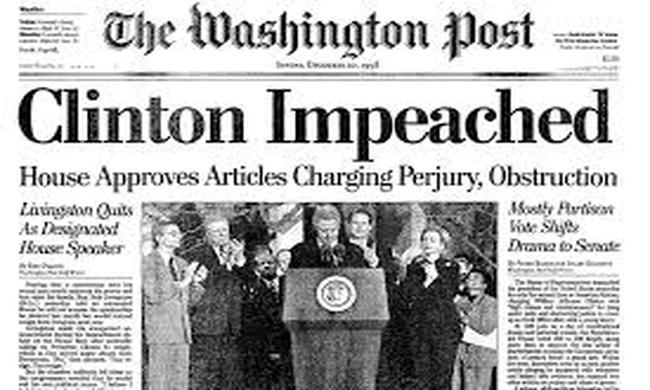
When weighing whether to impeach a sitting president, we consider how other presidents have acted. It is regrettable but true that many Presidents have routinely played fast and loose with the truth, acted incompetently, and used their office to attack political opponents.
What impeachment requires and why it wouldn’t be wise for Dems to push it
The political difficulty for the Democratic House if it tries to impeach the president is that the last time that party was in control, its own conduct fell far short of fiduciary standards.
Impeachment: What did the Founders mean by “High Misdemeanors?”
A president . . . is subject to impeachment and removal for dishonesty, disloyalty, negligence, and the like. But he is not impeachable merely for mistakes in policy or reasonable disagreements over interpretation of the law.
