
2026 Colorado Legislative Session: the Good, the Bad, and the Ugly
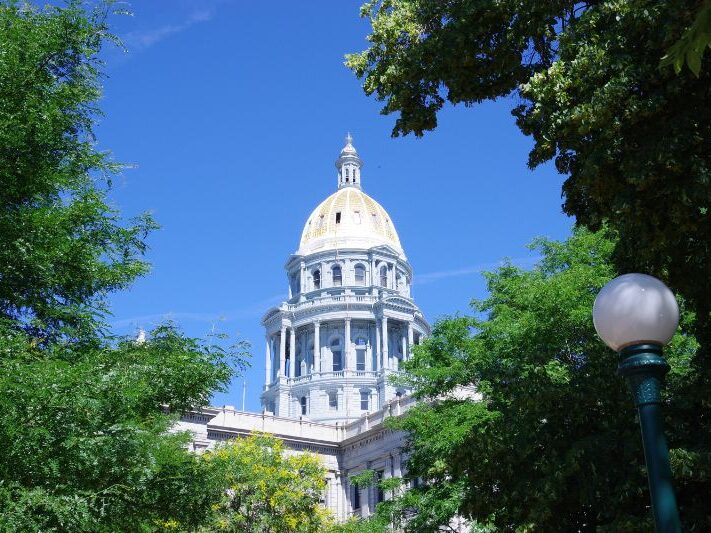
The Colorado legislature officially adjourned May 13, after weighing more than 600 bills over the course of 120 days. Lawmakers entered the 2026 legislative session facing a set of familiar problems: another billion-dollar budget deficit, rising voter frustration over affordability, and growing concerns about Colorado’s economic competitiveness and business climate. Yet despite those warning signs, […]
Tax Expenditure Modifications, 2019-2022: Governor Polis’s Record on Special Interest Tax Benefits

Governor Polis has garnered national recognition for his politically libertarian and right-leaning ideas as a Democrat, especially on the issues of limited government and tax policy. Breaking from the Democrat party line, during the 9News gubernatorial candidates debate in October 2018, he told Coloradans he wanted to eliminate special interest tax benefits and use the […]
Reducing state income tax a counter to recession

Reducing state income tax a counter to recession Today at 8:30 a.m., the U.S. Bureau of Economic Analysis will release second quarter GDP numbers. If it reports negative economic growth as economists expect, then a technical recession has already begun in the United States. Colorado can insulate itself by reducing the state income tax. Understanding why […]
LISTEN: Governor Polis’ 2022 Budget with Ben Murrey

Governor Jared Polis released his FY2022-23 budget proposal in November 2021. On December 2, Independence Institute’s Fiscal Policy Director Ben Murrey went on KLZ 560 AM in Denver to speak with host Kim Monson and discuss the governor’s budget, the massive expansion in state revenues over the past decade, and the economic outlook for the […]
The Colorado Skills Gap: Underlying Causes

This report identifies and explores possible grounds for, and consequences of, skills gaps in Colorado’s labor market. Imbalances between job openings and job applicants are neither new nor largely unique to Colorado. Every state examined in this report suffers longstanding labor supply/demand imbalances, including gaps between the skill requirements of high-paying jobs and the skills […]
Amendment 78: Accountability and Transparency For Custodial Funds
Topline Summary: Under current law, the governor or executive branch officials can unilaterally allocate certain funds which originate from outside of the state—known as custodial funds—often with little or no oversight. Amendment 78 would democratize the process of allocating custodial funds by requiring the general assembly to appropriate such funds after a public hearing. If […]
Fees, Enterprises, and Colorado
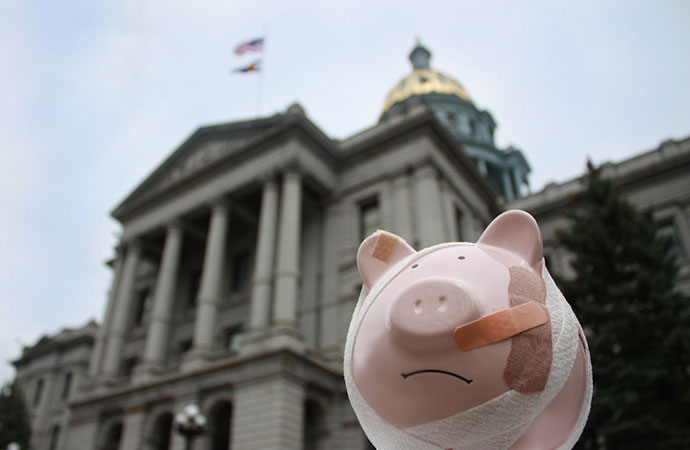
This issue paper discusses how Colorado has created loopholes, such as fees and enterprises, to bypass the Taxpayer’s Bill of Rights (TABOR).
Special interest giveaways burden Colorado taxpayers, muddy tax code
Last fall, Colorado officials claimed a $1 billion tax increase was needed to save the state’s public schools. Voters did not approve the tax increase. If officials were telling the truth, one would expect that this year they would be directing every extra budget dollar toward K-12 education. This is not happening. Instead, bills currently […]
An Academic Arms Race: The catastrophic rise of taxpayer-funded salaries at the University of Colorado and its peer institutions
In the last three years alone, CU’s budget has ballooned from $1.9 billion to $2.4 billion, with increases to salaries eating up a big part of the total. Between 2006 and 2009, CU’s three chancellors received a collective annual taxpayer-funded raise of more than $500,000.9 And even in the aftermath of the cuts recently announced by Benson, Denver Chancellor Roy Wilson could still make over $700,000 this year.
Students, meanwhile, have been forced to foot the bill through skyrocketing tuition increases. CU-Boulder undergraduates saw an average tuition increase of 9.3 percent this year; in Denver, the average was 8.5 percent; and in Colorado Springs, 7.5 percent. These increases followed 2007-2008 hikes ranging from 7 percent at CU-Colorado Springs and 14.6 at CU-Boulder.
Fiscal Crises in Colorado
In Colorado we are experiencing the worst fiscal crises in the last half century. In this study we document the magnitude of the fiscal crises, comparing the revenue shortfall in
this recession with that in previous recessions. We then explore the reasons for the greater severity of the current fiscal crises in Colorado compared to prior fiscal crises.
The next sections discuss how our fiscal policies and fiscal rules of the game have contributed to the severity of the fiscal crises. We conclude with a discussion of the need
for reforms in our fiscal policies and fiscal rules to better achieve budget stability.
Learning to Live Within Colorado’s Tax and Spending Limits
The Colorado Commission on Taxation has just completed a survey of Colorado citizen attitudes toward the tax system. This is an important survey because it reflects the views
of ordinary citizens rather than that of politicians or special interest groups. It reveals some hostility to taxes and a low trust in the efficiency of government. This skepticism
toward taxes and government efficiency is directly related to the size of government; citizens have more confidence in local government, less confidence in state government,
and least confidence in our federal government.