
What Does the Founding Era Evidence Say About How Presidential Electors Must Vote? – 5th in a Series on the Electoral College
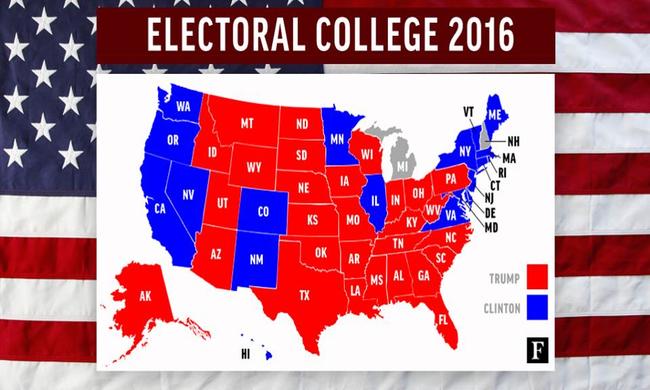
Comments from [the ratification] debates generally show that the ratifiers understood presidential electors were to exercise their own judgment when voting.
What Does the Founding Era Evidence Say About How Presidential Electors Must Vote? – 4th in a Series on the Electoral College
The two leading precedents in the English speaking world both reinforced dictionary definitions: Electors were to think for themselves.
The Electoral College In Context—or Some Interesting Stuff You Might Not Have Thought About – 3rd in a Series
The Electoral College is not part of the U.S. government, nor are the electors government officials.
Electoral College Rules Made Simple (or, rather, less complicated)—2nd in a Series
During the founding era, election rules were said to fix the “manner of election” . . . This term embraced . . . five categories.
Why Did the Framers Create the Electoral College?—1st in a Series
The delegates . . . found the question of how to choose the federal executive one of the most perplexing they faced. People who want to abolish the Electoral College usually are unfamiliar with how perplexing the issue was—and still is.
Activists Can Spend Their Time Better Than Trying to Resurrect the Zombie “Equal Rights Amendment”

[I]t became clear the ERA was a poorly-drafted measure that would do little for women’s rights. It would have transferred massive amounts of power away from local governments and elected representatives, handing it instead to lawyers, judges, and bureaucrats.
The most ‘underrated’ founder’s influence on America’s Constitution
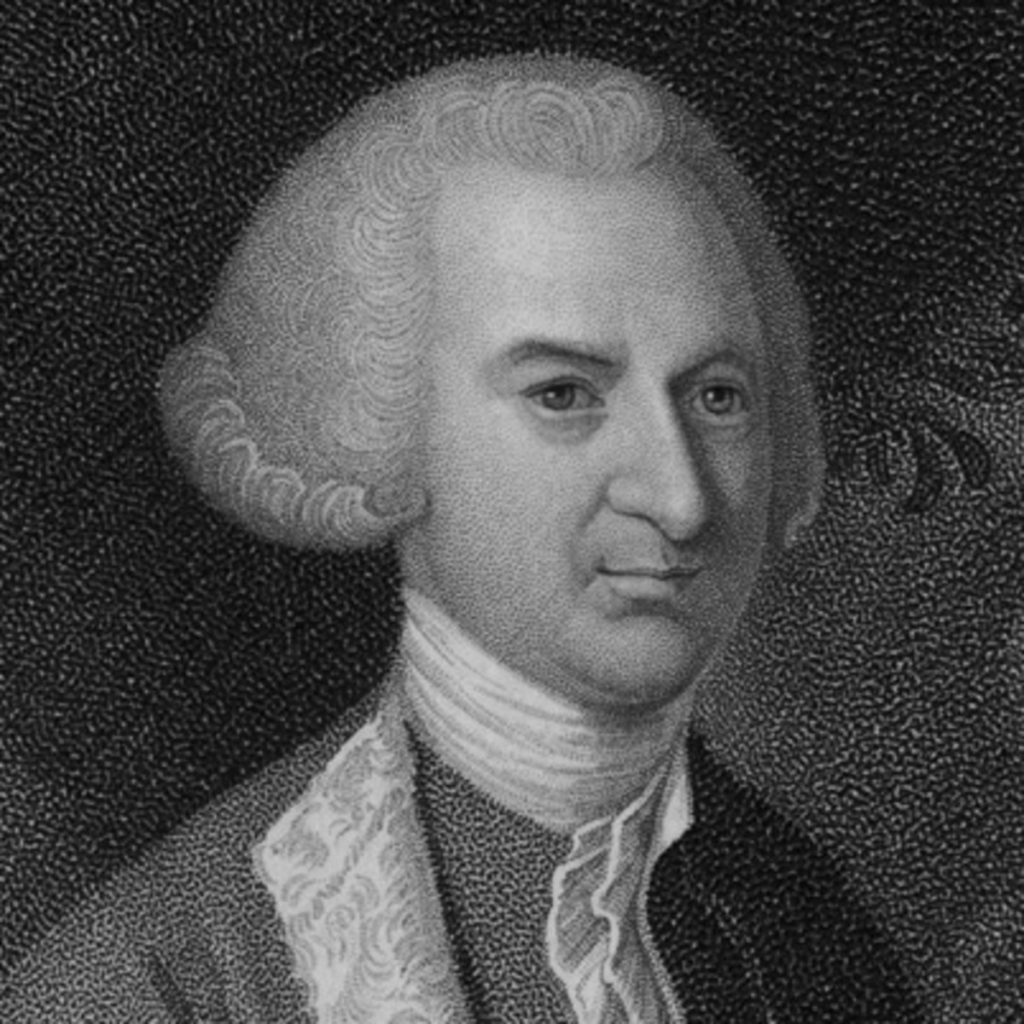
This much is clear: John Dickinson receives much more of our national gratitude than we have given him.
Fifth (and last) in a Series: John Dickinson and the Ratification of the Constitution
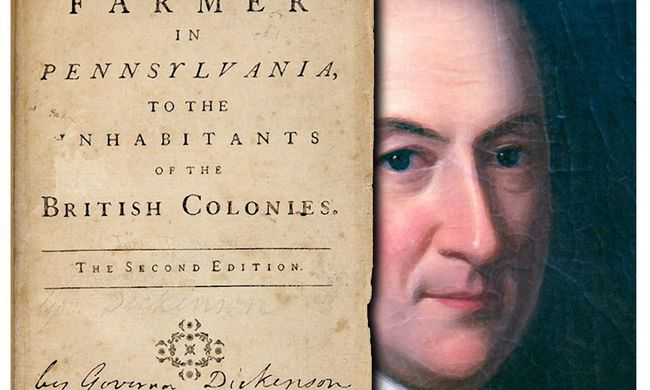
Any states that allowed the federal government to interfere in their sovereign jurisdiction would be guilty of a breach of trust, for the “trustees or servants of the several states” were obliged to protect the authority citizens had placed in them.
Fourth in a Series: John Dickinson’s Contributions to the Constitution
The list of constitutional provisions impacted by Dickinson is a very long one.
Third in a Series: John Dickinson During the Continental and Confederation Periods
Dickinson was one of the few to free his own slaves during his lifetime.
First In a Series: John Dickinson Comes Into Prominence
This year marks the 250th anniversary of one of the most influential series of writings in American history.
State protection for citizen rights should temper ‘local control’
So when is local control good in reality rather than merely as a slogan?
