
The ideas that formed the Constitution: part 5: Aristotle
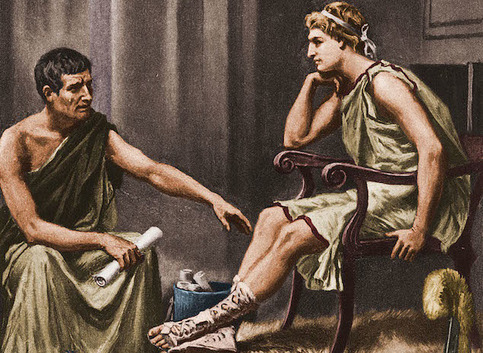
James Madison admired Aristotle’s work “The Politeia.”
The ideas that formed the Constitution, Part 4: the pioneers: Socrates, Xenophon, Plato

Some Federalists expressed pride in the Constitution precisely because they considered it more reality-based than Plato’s “Republic.”
The ideas that formed the Constitution, Part 2: The Founders’ education
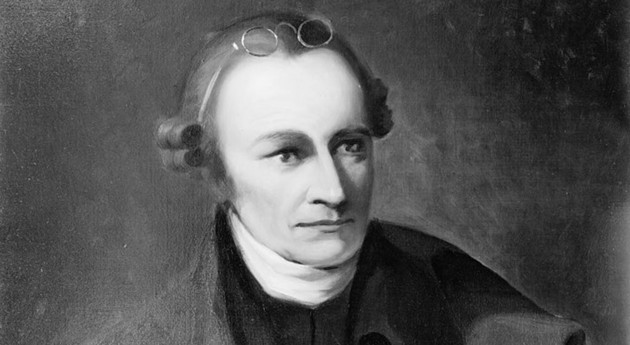
Eighteenth-century education encompassed religion, music, and English. . . . But the heart of the curriculum was made up of the Greco-Roman classics.
First in a series: The ideas that formed the Constitution
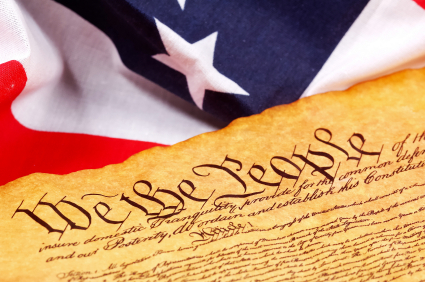
These essays will focus on the writers who taught the Founders their political lessons—their lessons in republicanism, in political organization, and in political virtue.
The ‘progressive’ Democrat who pretends he’s a libertarian
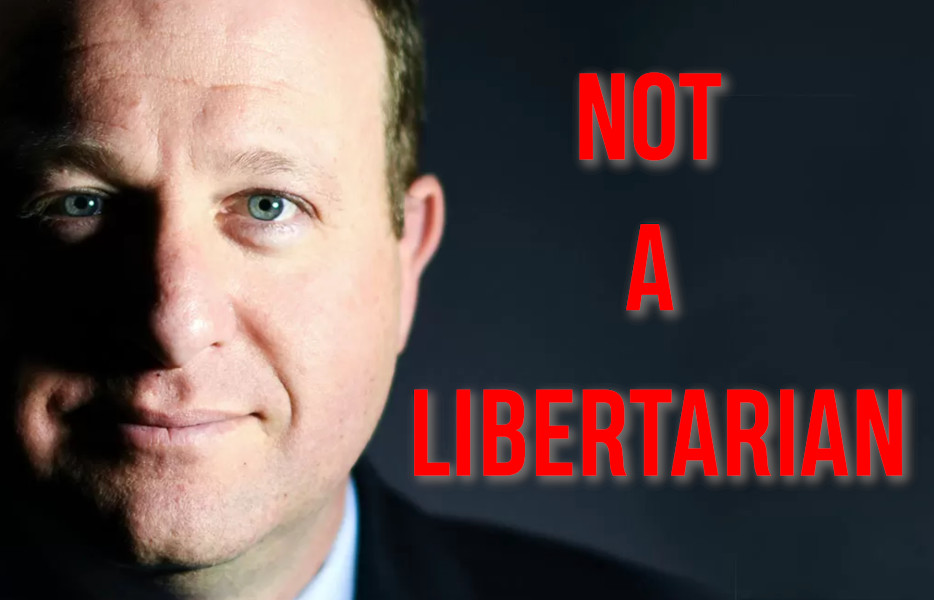
It is difficult to imagine a more anti-libertarian step than moving small children away from their parents and turning them over to the state.
Joe Biden’s Charge of ‘Semi-Fascism’
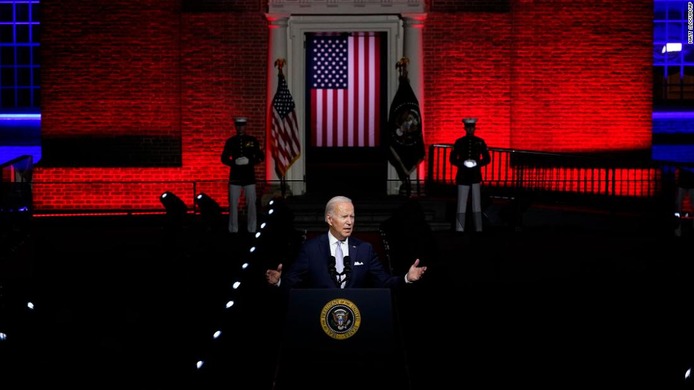
A long list of Biden’s actions could be classified as “semifascist.”
Defending the Constitution: Why the Framers Thought Ratification by Only Nine States Was Sufficient
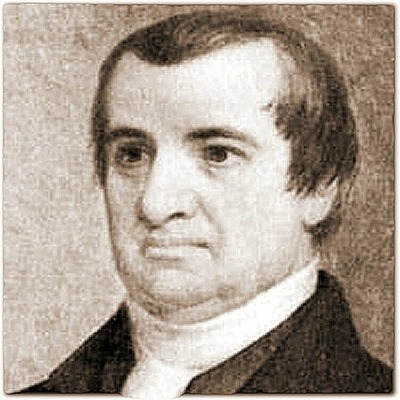
Why nine? Because any combination of nine states (even the nine with the smallest populations) would comprise a majority of American citizens.
Understanding the Constitution: Originalism was not invented by partisan Republicans

In constitutional law, the methods applied by “progressives” are the new, partisan inventions. Originalism is the standard bequeathed by the ages.
Biden’s nasty speech and the nation’s governors
Many states have governors with no illusions about this administration, and who understand what its direction is likely to be. If those governors have not begun already to plan for a crisis, they had better start now.
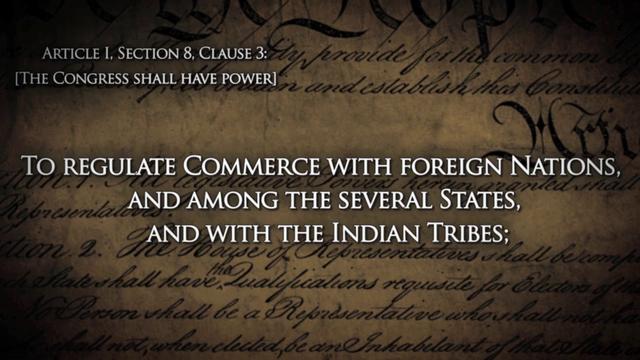
Will the Supreme Court stretch the Commerce Clause even more?
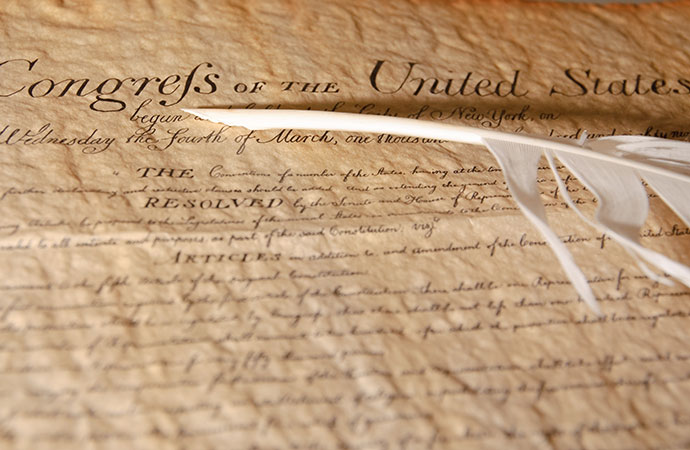
Some claim that when the word “Commerce” is applied to Native Americans, it magically balloons in scope, allowing Congress to regulate just about anything.
Understanding the Constitution: The Power to Restrict Immigration
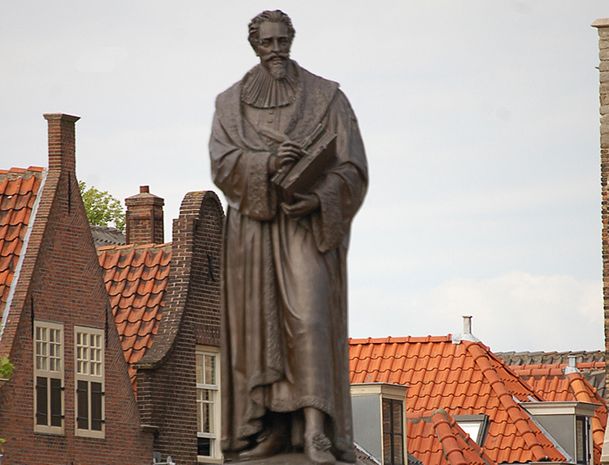
The Constitution gives Congress power to “define and punish” offenses against the law of nations. Scholars popular among the Founders wrote that illegal immigration is such an offense.
A Further Response to Prof. Ablavsky on the Indian Commerce Clause
We discovered that Ablavsky’s work contained a disturbing number of inaccurate, non-existent, and misleading citations, as well as deceptively-edited quotations.
