
The Founders and the Constitution, Part 4: John Dickinson
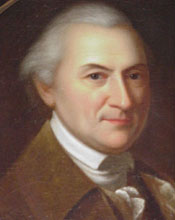
Without John Dickinson we might not have a Constitution.
The Founders and the Constitution, Part 2: John Adams
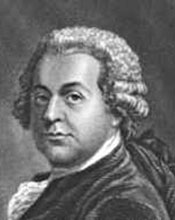
Although John Adams didn’t attend the 1787 Constitutional Convention, he laid much of the groundwork.
The Founders and the Constitution, Part 1: Introduction
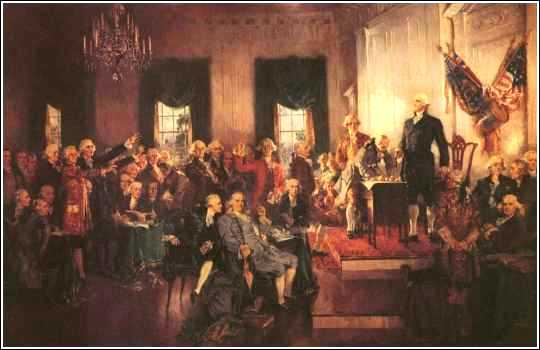
Although the men profiled in this series often disagreed with each other, each played a part of which Americans can be proud.
The Other Side of the Montana Constitution
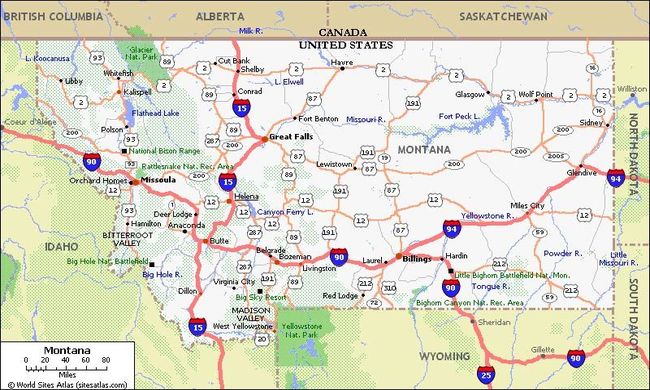
It is always the prerogative of the people to fix flaws in their government. And the Montana constitution, like any human creation, has its flaws.
New Videos Explain the Article V Convention Process
Tired of the federal government’s overreaching and dysfunction? Here’s the solution the Constitution prescribes
The end of representative government?
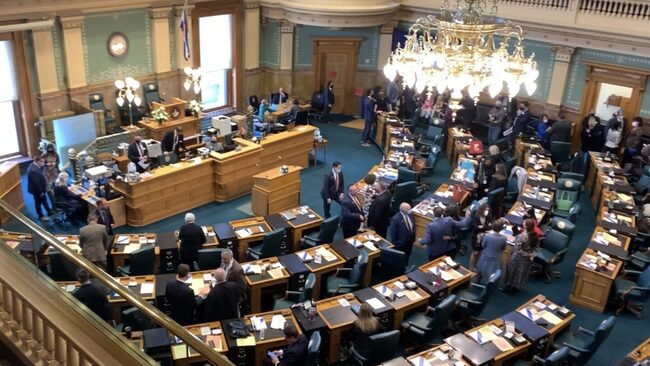
None of the four “progressive” mega-donors had any personal connections to most of the legislative districts they targeted. They didn’t live there, didn’t own property there, and in most cases probably had never seen the district.
The ideas that formed the Constitution, part 22: public education

If a goal of American education is to produce good and knowledgeable citizens, then educators must teach students to understand the Constitution properly.
The ideas that formed the Constitution, Part 21: Coke, Blackstone, and English law
The framers wrote the Constitution with Anglo-American jurisprudence in mind.
The ideas that formed the Constitution, Part 20: Vattel and the Law of Nations
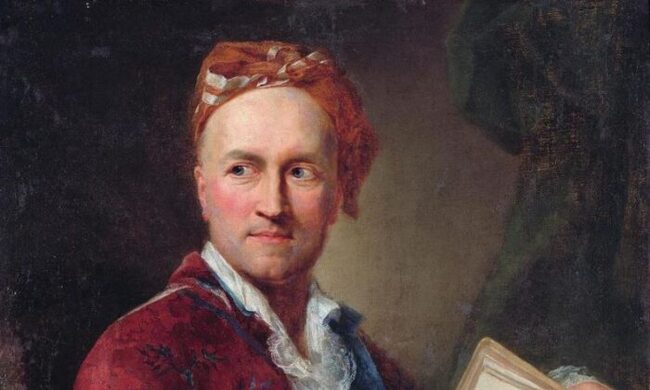
During the 17th and 18th centuries, five great scholars forged international law into its modern shape. The American Founders relied on their work.
The ideas that formed the Constitution, Part 19: Jean-Louis DeLolme: ‘We the People …’
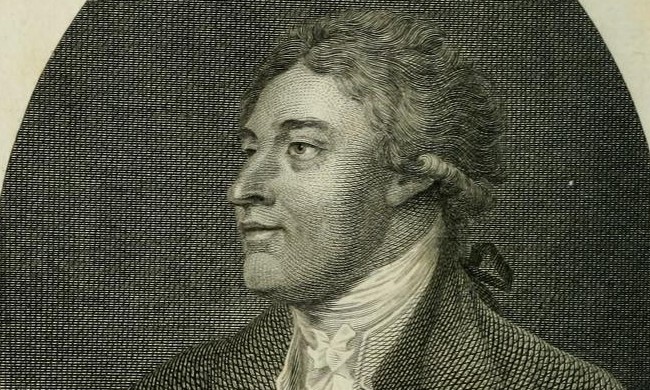
The source of the Constitution’s first three words was very likely Jean-Louis DeLolme.
The ideas that formed the Constitution, Part 17: Sir Isaac Newton
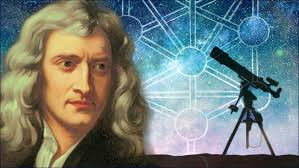
Newton exemplified the Scientific Revolution—an event that changed not only how people thought about the physical universe, but also how they thought about politics and government. This greatly affected the U.S. Constitution.
The ideas that formed the Constitution, Part 16: John Locke and the Ninth Amendment
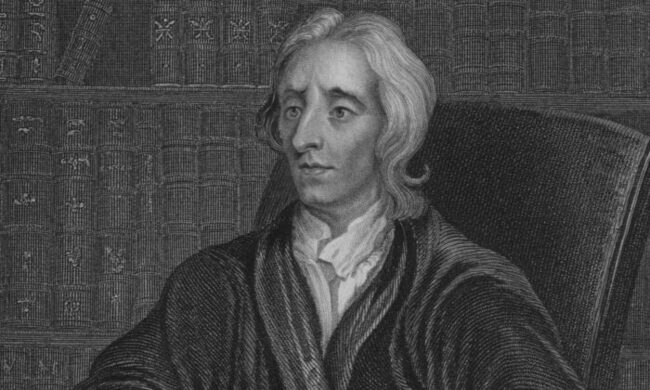
Locke’s writings contained many specific observations realized in the Constitution