
The end of representative government?
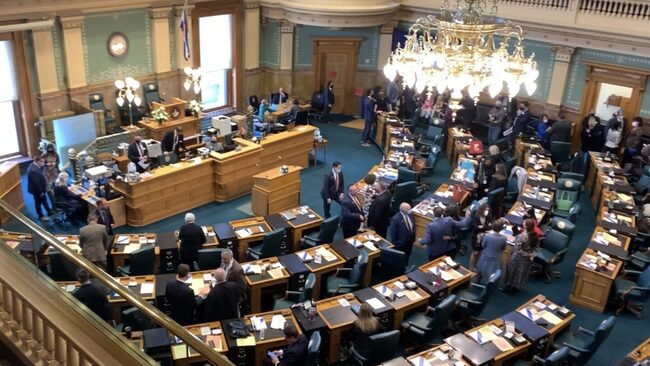
None of the four “progressive” mega-donors had any personal connections to most of the legislative districts they targeted. They didn’t live there, didn’t own property there, and in most cases probably had never seen the district.
How “progressive” court decisions promoted the rise of dark money

“Progressive” Supreme Court decisions that led directly or indirectly to the orgy of anonymous spending
With due respect to the Supreme Court, some campaign finance laws are unconstitutional
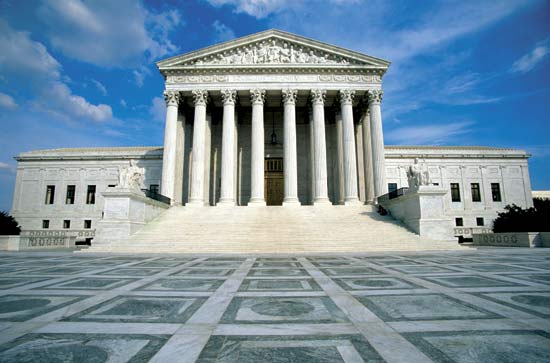
But Citizens United included a second decision, one rarely mentioned. In this part of the case, the court upheld federal laws requiring contributors to political ads to publicly reveal their names. Unlike the first ruling, the second was a constitutional mistake. Although the court has since reaffirmed its position, it should promptly reconsider.
New Study Shows Campaign Disclosure Rules Violate First Amendment
This article was first published at the American Thinker website. Many commentators and politicians have attacked the Supreme Court’s 2010 case of Citizens United v. Federal Election Commission for holding that citizens do not surrender their First Amendment rights when they organize under state corporation law. The Vermont state legislature has even adopted an application […]
Get Members of Congress Out of the Business of Rigging Campaign Rules
The Supreme Court’s latest campaign finance decision, McCutcheon v. FEC, has sent up the predictable howls. In McCutcheon, the Court struck down, as violating the First Amendment, certain incumbent-protection rules that Members of Congress had rigged for their own election campaigns. But no one—including the Court—has yet convincingly addressed a question even more fundamental than […]
Rebutting the Claim that an “Anti-Corruption” Principle Should Re-Write the First Amendment
Law professors are overwhelmingly left-of-center, and they spend an undue amount of time trying to justify nearly unlimited federal power. Sometimes they torture constitutional history to do so. For example, several have long asserted that the Constitution’s grant of power to Congress to regulate “Commerce” was designed to grant authority to regulate the entire economy—or […]
Federal “Campaign Finance” Laws are Mostly Unconstitutional
In a recent posting, I wrote: [I]t is dubious whether the Constitution even gives Congress power to regulate the source and amount of campaign contributions and expenditures. The background and meaning of the Constitution’s “Time, Places and Manner Clause”—which Congress uses to justify such laws—strongly suggests not. The Time, Places and Manner Clause is Article […]
The Supreme Court’s Citizens United Corporate Campaign case Should Be Controversial—But Not for the Reason You Think
If you have any doubt about the ability of the political Left to set the agenda in this country, look at the controversy over the Supreme Court’s 2010 Citizens United corporate campaign finance case. What most people have heard about the case is that it “allowed corporations to spend unlimited amounts in federal elections,” a […]