
Correcting Hillary Clinton’s Misconceptions About Those Favoring An Amendments Convention
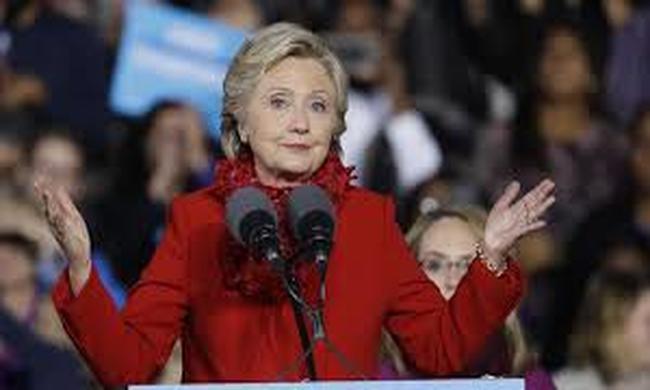
None of the amendment campaigns . . . favors the open-ended convention needed for radical change. All of their model legislative applications severely limit the convention’s scope.
Government Shutdown? Maybe for the Best
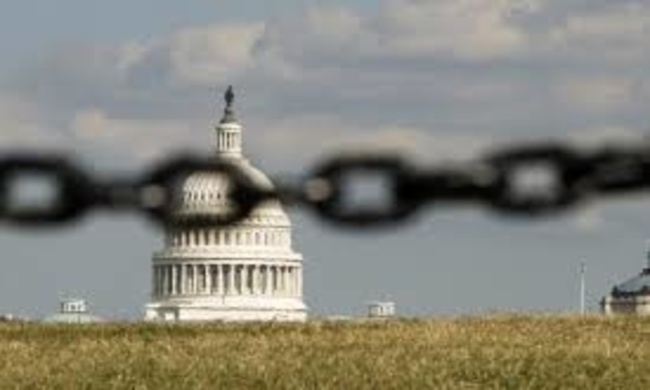
[D]uring the 2013 shutdown, the Department of the Interior announced it was closing Rocky Mountain National Park . . . No problem: Colorado state government kicked in the money . . . and it stayed open. A few Coloradans began to ask, “Who needs the feds to run the park after all?”
Schatz’s ignorance of our Anglo-American legal heritage is part of a much wider problem
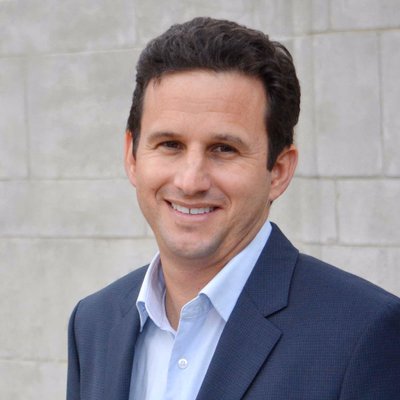
Educated citizens who enter politics eventually learn that deep ignorance is not unusual among elected officials. To idealists, the discovery can be a shock.
The Poetry in the Constitution’s Preamble
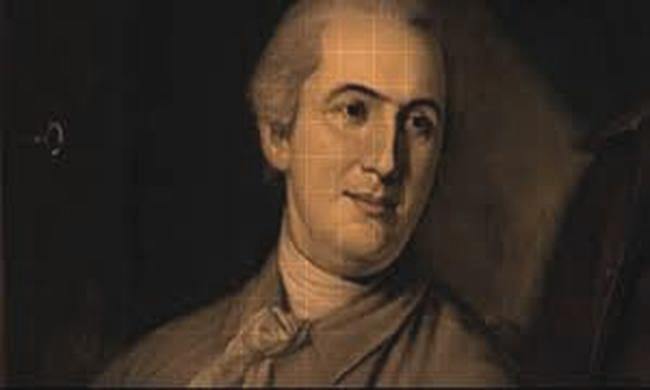
Morris’ approach was unique and has served as an inspiration for constitution-makers ever since.
Cuomo’s Claim that capping SALT deductions is unconstitutional is wrong
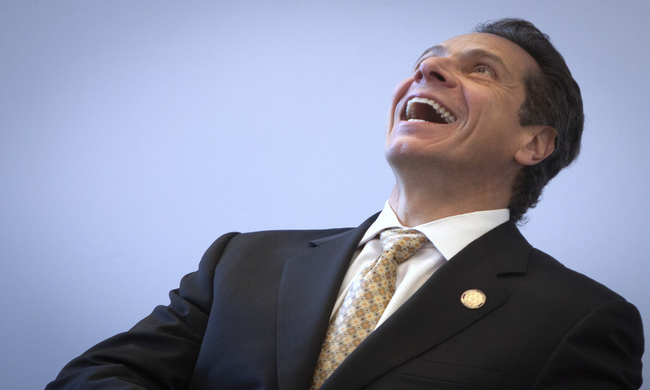
Opponents of the new tax law are right to be concerned about federal overreaching, but they are barking up the wrong tree. They are inventing a fictional limit on federal authority while ignoring real ones.
Another government shutdown would be great for America
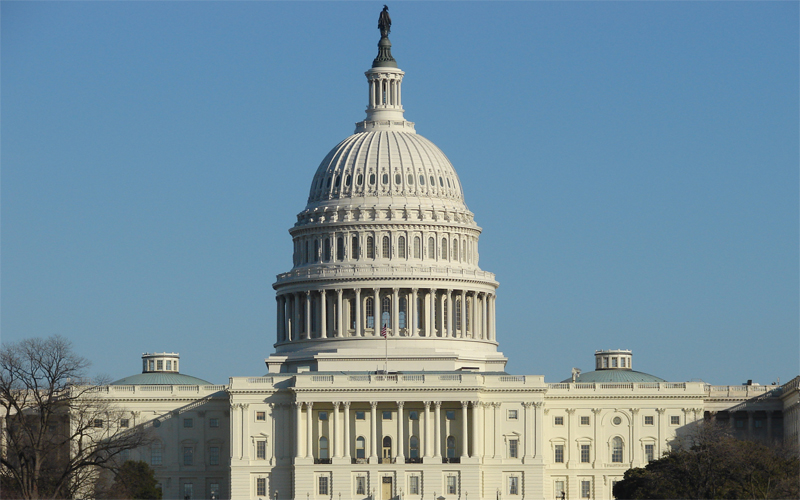
Once again, we are threatened with a federal government “shutdown.” Well, this citizen out in the hinterland says, “Bring it on!” Most of the functions that would be interrupted aren’t really constitutional anyway, and we could do well without them. In fact, we should defund some of them permanently to help close the federal deficit. […]
Where the Constitution’s Word “Convention” Came From
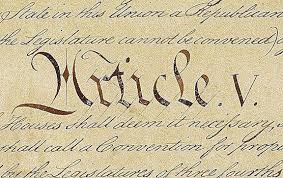
Fortunately, by the time the Constitution was written, this verbal confusion had been pretty much been sorted out.
New Research Finds Most State Constitutional “Blaine Amendments” Facially Unconstitutional
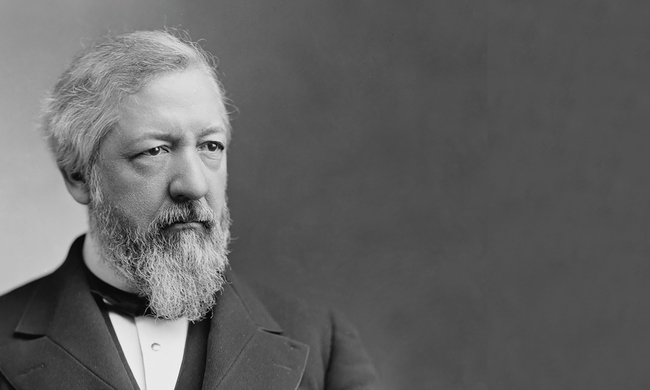
Rob’s new research demonstrates that bans on “sectarian” aid were . . . designed to require state officials to discriminate in favor of mainstream Protestantism and against any faiths they deemed “bigoted” or “extreme.”
The link between Obama’s departure and your increasing wealth

But let’s face it: The election of almost any of the major presidential candidates other than avowed socialist Bernie Sanders probably would have triggered a similar boom . . . the upsurge would have come because its principal cause has not been who was elected, but who has departed.
Presidential Elector Discretion: The Originalist Evidence
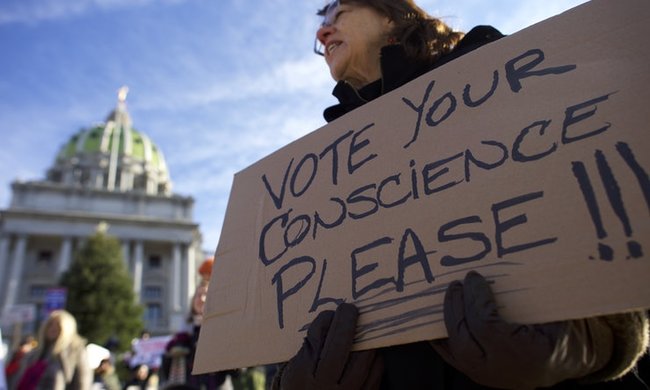
[T]he Hamilton Electors have good cause to claim the mantle of originalism.
Jon Caldara interviews Rob Natelson on John Dickinson, “The Most Underrated Founder”
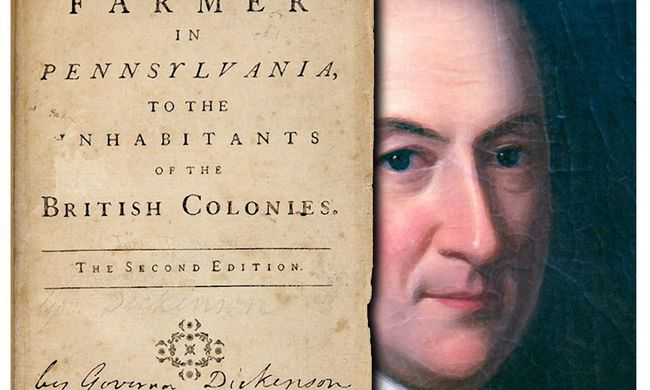
Watch this interview and learn what we owe to John Dickinson.
II Senior Fellow Natelson’s Research Again Relied on by a Supreme Court Justice
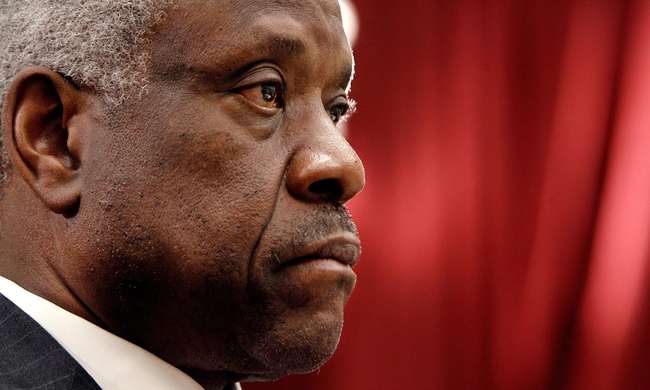
Rob’s research, published in the 2008 article, showed convincingly that Justice Thomas was right to be skeptical.