



 When the Front Range Passenger Rail Authority put a $295 million/year sales tax increase on the ballot (Issue 7A) to fund the Colorado Connector train (COCO), they asked the right question but offered the wrong solution. The right question is this: Is there a multimillion dollar free market opportunity to improve Front Range transportation?
Train technology has not changed much in the past 30 years, certainly compared to the radical changes we’ve seen to road vehicles, taxi and transit systems. The biggest change is that investors and transportation innovators see an exciting opportunity to make money by meeting our transportation needs with incredible new technologies. Consider two examples of this revolution:
Taxis & Uber: For decades taxi companies leveraged political power to impose a byzantine set rules that prevented competitors from crowding their market, keeping prices high and service limited. As a state legislator in 2006, I sponsored legislation to eliminate a laughably outdated requirement that limousine services offer “TV, Phone and Beverage service.” The bill passed the House narrowly, but was killed by the powerful taxi lobby in the state Senate.
In 2010, Uber came on the scene and empowered anyone with a nice car to make money as a “limo service,” complying with local “scheduled passenger service” laws instantaneously through the Uber app. Instead of pushing modest technocratic reforms through the legislature to improve car services (as I tried to do), Uber saw a multi-billion dollar market opportunity.
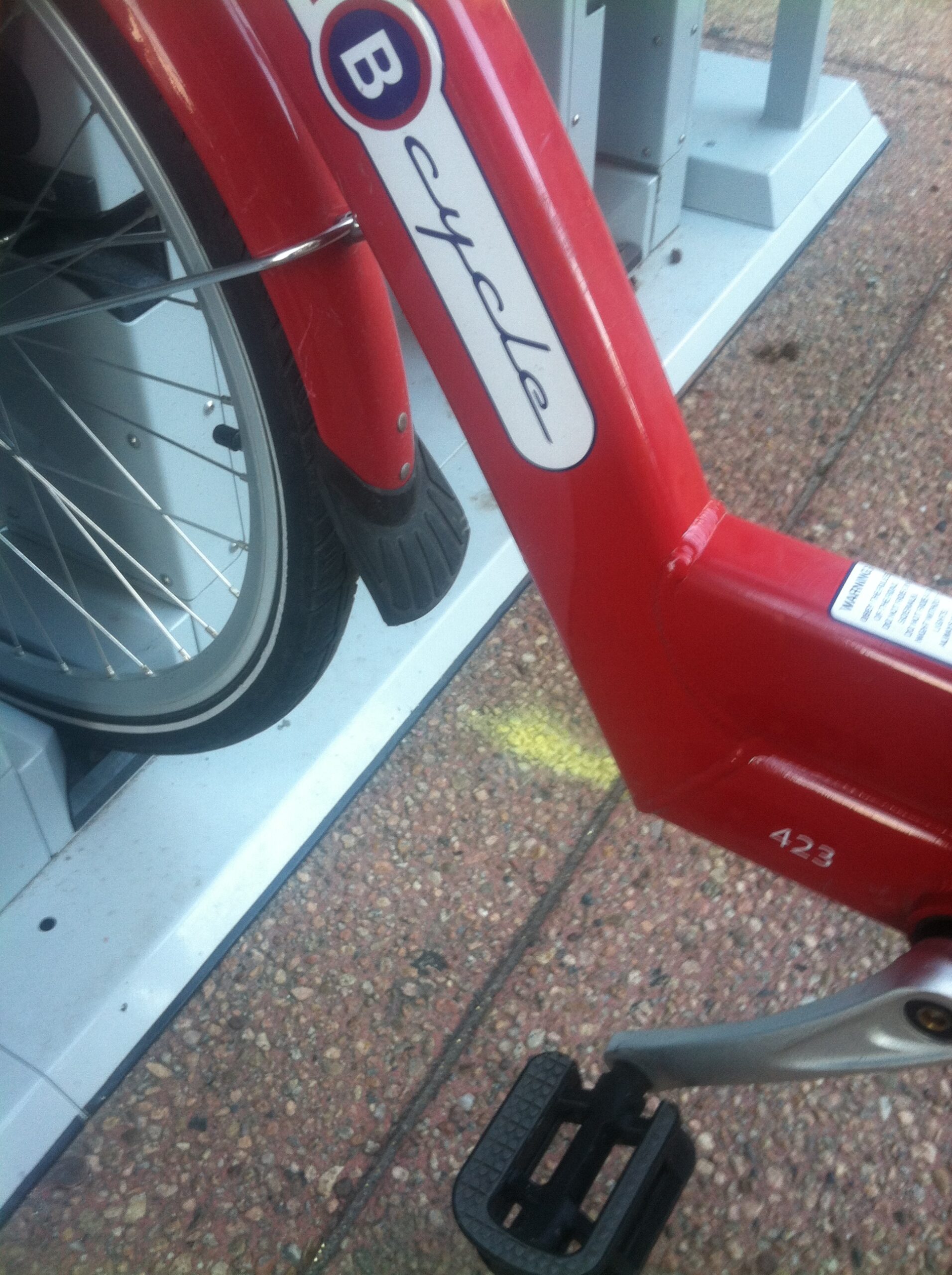
B-cycle & VEO Scooters: Denver’s B-Cycle bike share program launched in 2010 and revolutionized the ‘micro-mobility’ options available to downtown workers (including me- I rode those clunky red bikes all the time!). In 2017, privately-funded Byrd, Jump and Lime startups brought electrified bikes and scooters to Denver sidewalks, offering better apps, more fun and less effort for roughly the same price. B-cycle, which had been subsidized regularly by federal and local government funding, shut down less than three years later. Today, private scooter company VEO will actually pay Denver about $2.2 million in the first year if it hits certain revenue targets.
Investment Opportunities vs. Taxpayer Burdens: With the success of Uber and VEO in mind, let’s return to the COCO question: Is there a multimillion dollar market to improve inter-city transportation along Colorado’s Front Range? Yes, absolutely.
Driverless Cars: Self-driving electric cars already offer many of the benefits pitched by Train advocates: less (or zero) emissions, fewer people parking at downtown events, and the chance for the traveller to scroll, sleep or work instead of fight traffic. In the future, self-driving vehicles will be able to work together on highways to increase safety and speeds, “snapping together” digitally to accelerate and brake just like train cars, but capable of peeling away from the lineup to deliver riders directly to their destination.
VanPools: MagicBus is one of several dozen transit-oriented startups seed-funded by Y Combinator, a legendary venture capital firm. MagicBus is something like Uber for vanpools which are already used heavily by commuters along I-25. Vanpools and carpools lower costs and stress for commuters, but unlike public transit lines offer more flexibility on pickup and dropoff locations. In a similar vein, Fetii is to Charter bus service what Uber is to Limo service, allowing users to charter a bus with the click of a button.
Air Transit: All of these road-based options may seem quaint by the early 2030s, when new air transportation options come on the scene, including electrified and autonomous air taxis. Drone-based deliveries are already replacing some road traffic in a number of cities including Omaha, Kansas City, and Phoenix. Larger autonomous flying vehicles may soon replace some business-to-business delivery trucks.
COCO is the Wrong Solution to the Right Question: While some of these technologies may seem pie-in-the-sky (literally!), remember that we’re comparing these privately-funded endeavors that improve travel to COCO— a government-operated $4.7 billion train system that runs on freight rail tracks and requires a taxpayer subsidy of more than $600 per round trip.
Put another way: If COCO’s boosters tried to convince a venture capital fund to invest in their trains, they’d get laughed out of the room. $4.7 billion to build a system that can serve a total available market of only 7 million people, with high operating costs on rented tracks they must share with freight rail?
Most of the startups mentioned above will see higher demand and better results for a fraction of the cost, while at the same time creating value, growing the economy and paying taxes.
Matt Knoedler is a Senior Policy Fellow and Director of Public Policy at the Independence Institute, where he studies the government in Colorado fast-changing economy.