
The most ‘underrated’ founder’s influence on America’s Constitution
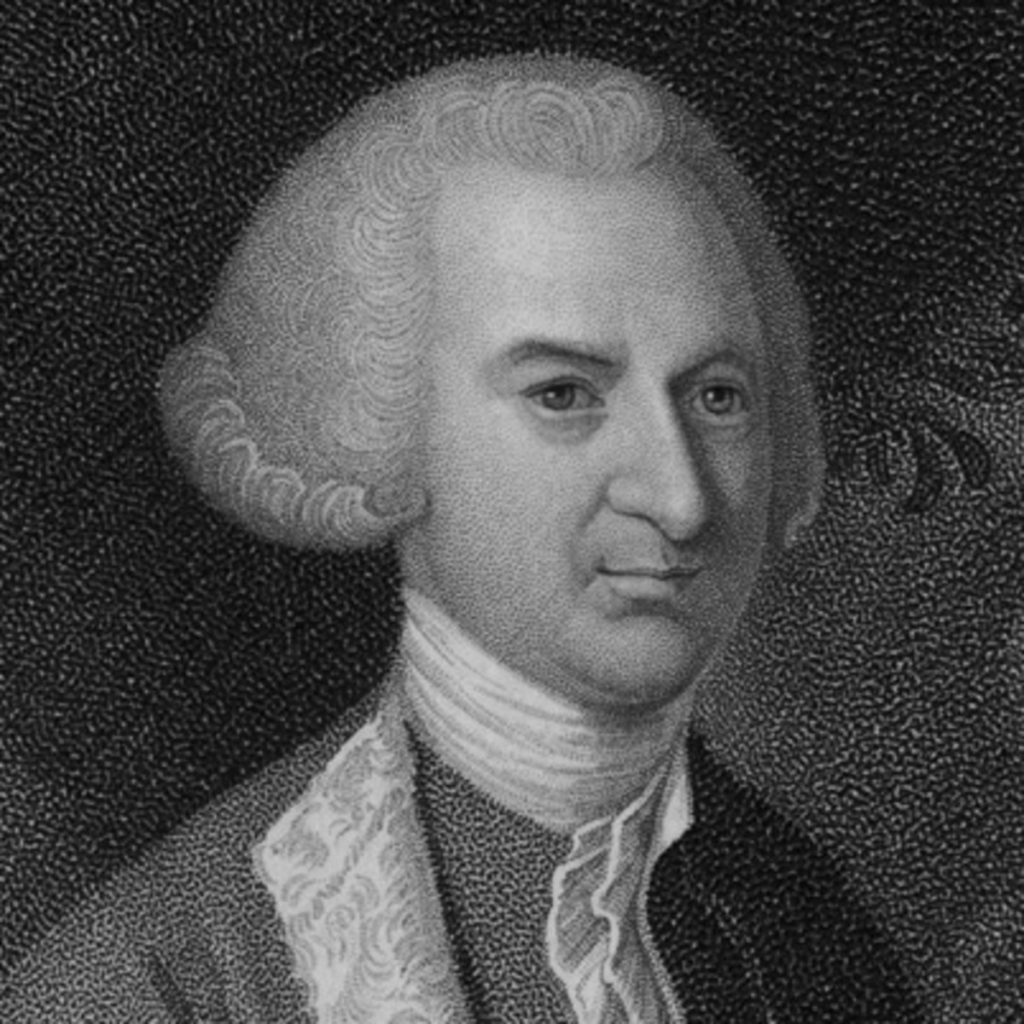
This much is clear: John Dickinson receives much more of our national gratitude than we have given him.
Fifth (and last) in a Series: John Dickinson and the Ratification of the Constitution
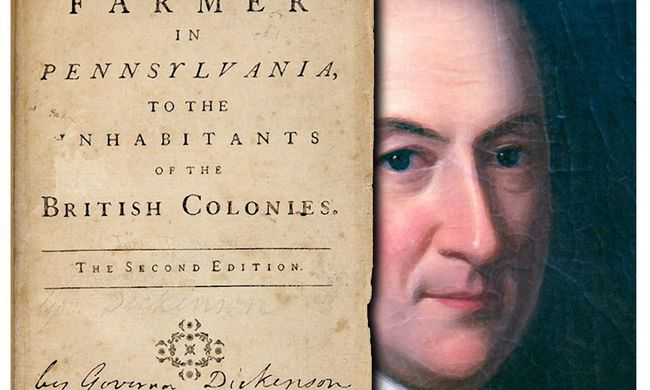
Any states that allowed the federal government to interfere in their sovereign jurisdiction would be guilty of a breach of trust, for the “trustees or servants of the several states” were obliged to protect the authority citizens had placed in them.
Fourth in a Series: John Dickinson’s Contributions to the Constitution
The list of constitutional provisions impacted by Dickinson is a very long one.
Third in a Series: John Dickinson During the Continental and Confederation Periods
Dickinson was one of the few to free his own slaves during his lifetime.
Second in a Series: The Message of the Farmer Letters
“We cannot be happy without being free,” Dickinson wrote in Farmer Letter XII. “We cannot be free without being secure in our own property … We cannot be secure in our property, if, without our consent, others may take it away.”
First In a Series: John Dickinson Comes Into Prominence
This year marks the 250th anniversary of one of the most influential series of writings in American history.
John Dickinson’s ‘Farmer’ Letters on Their 250th Anniversary
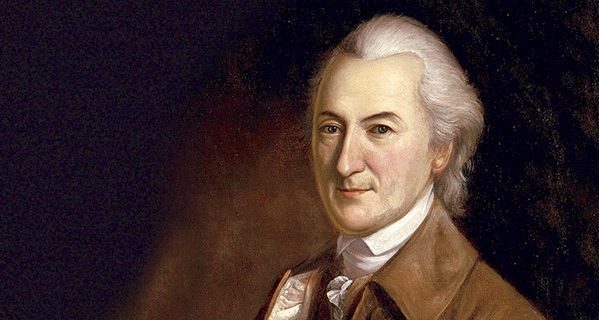
The Farmer letters went well beyond asserting the case against taxation without representation; they also helped clarify American constitutional thinking on other questions, including: Which government responsibilities should be exercised centrally and which locally?
Why removing historical monuments is a bad idea

[B]ecause almost everyone conforms in most respects to prevailing social practices, disqualification for such conduct is necessarily arbitrary and driven more by politics than by merit.
State protection for citizen rights should temper ‘local control’
So when is local control good in reality rather than merely as a slogan?
A Response to a “Living Constitutionalist”
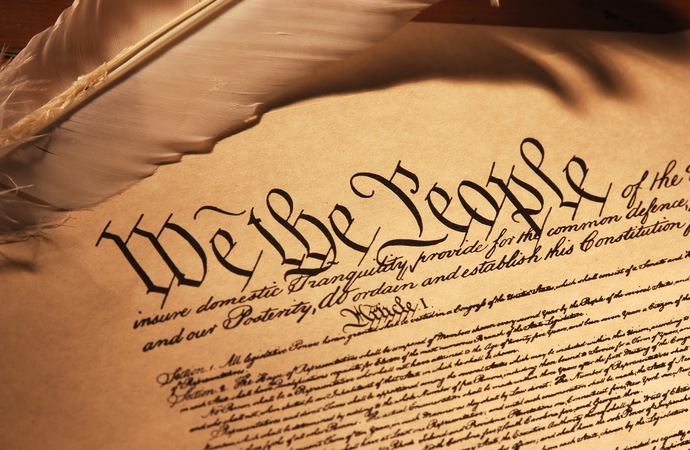
. . . law professors often corrupt their understanding of the Constitution with their own political preferences. . .
How a ‘convention of states’ could tweak the Constitution
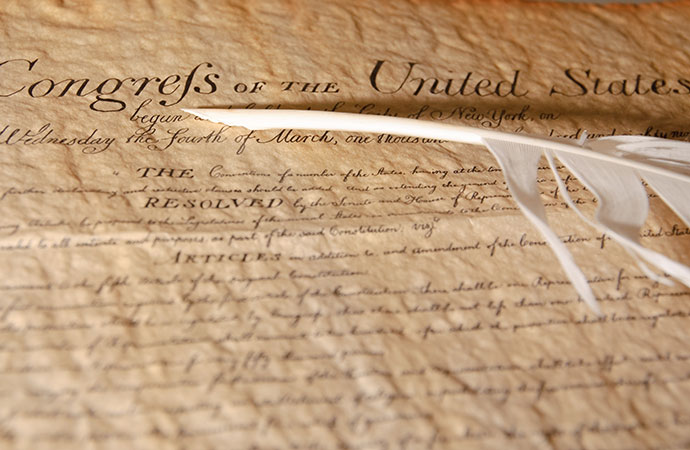
Representatives of state legislatures from across the nation will converge in Phoenix, Arizona on Sept. 12 to participate in a traditional American institution called a “convention of states.” Conventions of states are valuable. They help ensure Washington, DC doesn’t dictate all decisions on every subject. The purpose of the meeting in Phoenix is to plan […]
Part II: What Can We Do About Legal Realism and Its Promotion of Judicial Activism?

. . . the problem centers in specific institutions: American law schools and the higher reaches of the judiciary.
