
New Research Finds Most State Constitutional “Blaine Amendments” Facially Unconstitutional
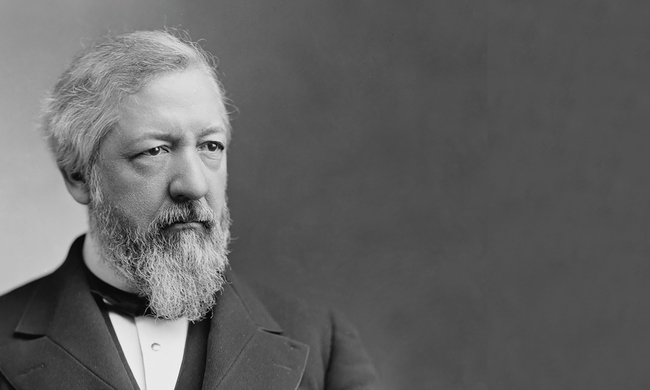
Rob’s new research demonstrates that bans on “sectarian” aid were . . . designed to require state officials to discriminate in favor of mainstream Protestantism and against any faiths they deemed “bigoted” or “extreme.”
The link between Obama’s departure and your increasing wealth
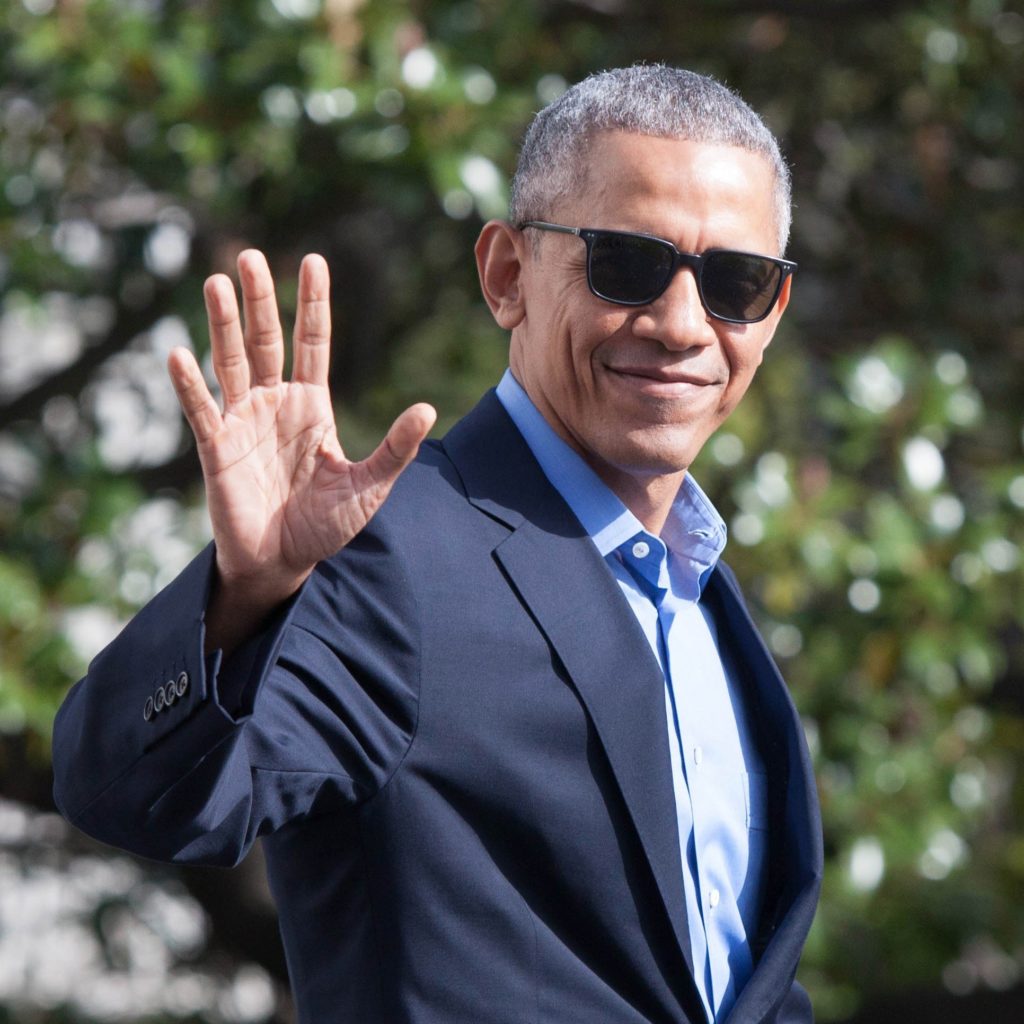
But let’s face it: The election of almost any of the major presidential candidates other than avowed socialist Bernie Sanders probably would have triggered a similar boom . . . the upsurge would have come because its principal cause has not been who was elected, but who has departed.
Presidential Elector Discretion: The Originalist Evidence
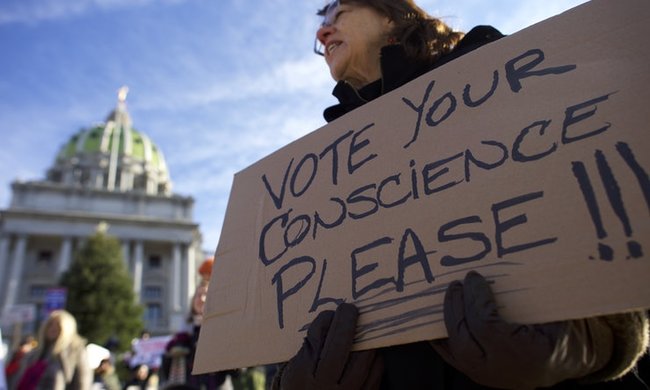
[T]he Hamilton Electors have good cause to claim the mantle of originalism.
Jon Caldara interviews Rob Natelson on John Dickinson, “The Most Underrated Founder”
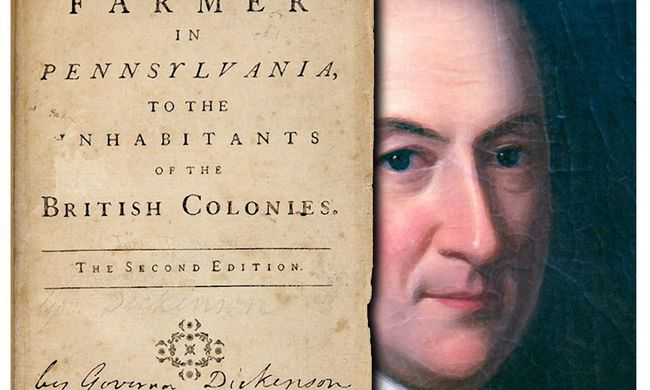
Watch this interview and learn what we owe to John Dickinson.
II Senior Fellow Natelson’s Research Again Relied on by a Supreme Court Justice
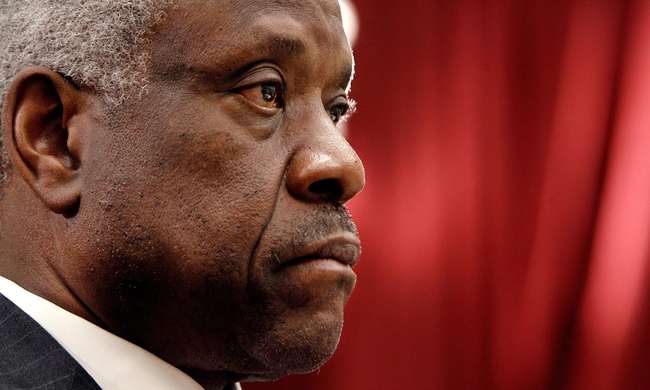
Rob’s research, published in the 2008 article, showed convincingly that Justice Thomas was right to be skeptical.
What Does the Founding Era Evidence Say About How Presidential Electors Must Vote? – 5th in a Series on the Electoral College
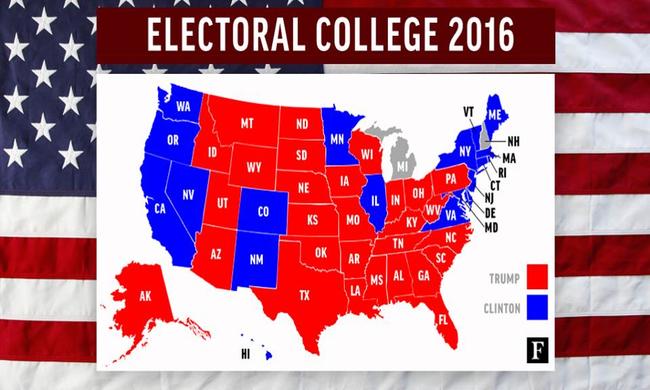
Comments from [the ratification] debates generally show that the ratifiers understood presidential electors were to exercise their own judgment when voting.
What Does the Founding Era Evidence Say About How Presidential Electors Must Vote? – 4th in a Series on the Electoral College
The two leading precedents in the English speaking world both reinforced dictionary definitions: Electors were to think for themselves.
The Electoral College In Context—or Some Interesting Stuff You Might Not Have Thought About – 3rd in a Series
The Electoral College is not part of the U.S. government, nor are the electors government officials.
Electoral College Rules Made Simple (or, rather, less complicated)—2nd in a Series
During the founding era, election rules were said to fix the “manner of election” . . . This term embraced . . . five categories.
Why Did the Framers Create the Electoral College?—1st in a Series
The delegates . . . found the question of how to choose the federal executive one of the most perplexing they faced. People who want to abolish the Electoral College usually are unfamiliar with how perplexing the issue was—and still is.
The Montana Supreme Court’s Demonstrable Bias Against “Conservative” Voter Initiatives
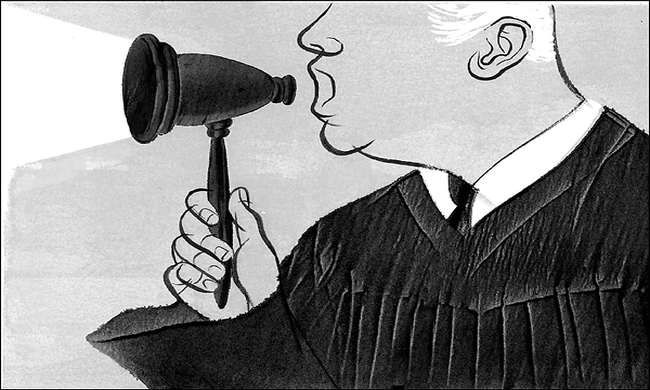
A Montana Policy Institute report documented the tribunal’s handling of ballot measures over three decades. Every measure expanding government power survived the Montana Supreme Court. Almost every measure restraining government died in the Montana Supreme Court.
Activists Can Spend Their Time Better Than Trying to Resurrect the Zombie “Equal Rights Amendment”

[I]t became clear the ERA was a poorly-drafted measure that would do little for women’s rights. It would have transferred massive amounts of power away from local governments and elected representatives, handing it instead to lawyers, judges, and bureaucrats.
