
New Study Finds Administrative State Unconstitutional
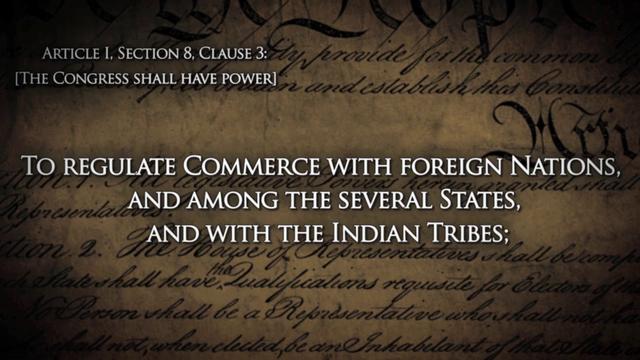
When the framers and ratifiers used the phrase “regulate Commerce” they meant “regulate trade.” Both “regulate commerce” and “regulate trade” meant to administer the body of jurisprudence known as the law merchant.
The ideas that formed the Constitution, Part 9: Virgil and other poets
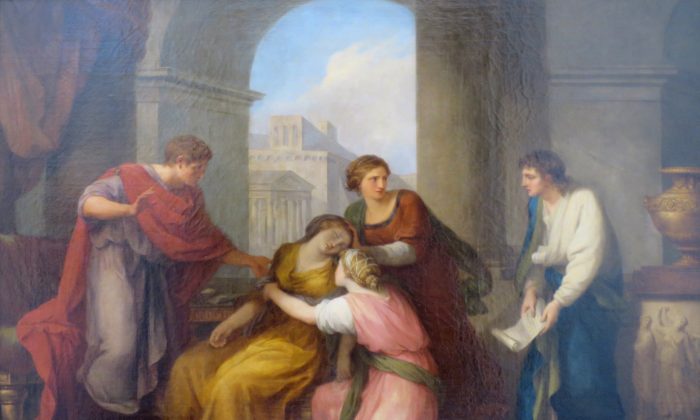
If the American Founding had a poet laureate, Virgil would be it.
The Ideas That Formed the Constitution, Part 8: Cicero (Cont.)
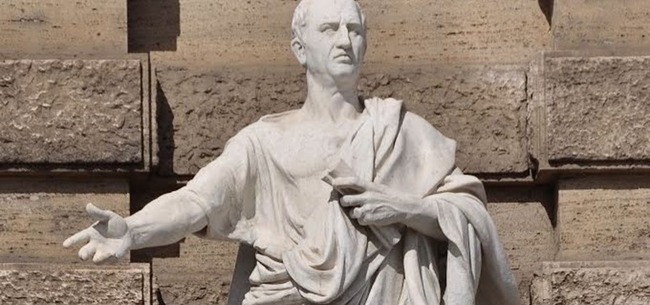
Directly or indirectly, Cicero probably influenced the Constitution as much as any other thinker.
The real Commerce Clause—as the Founders knew it
During the Founding era, the phrase “regulate Commerce” had a very specific meaning
Ideas that Formed the Constitution, Part 7: Cicero
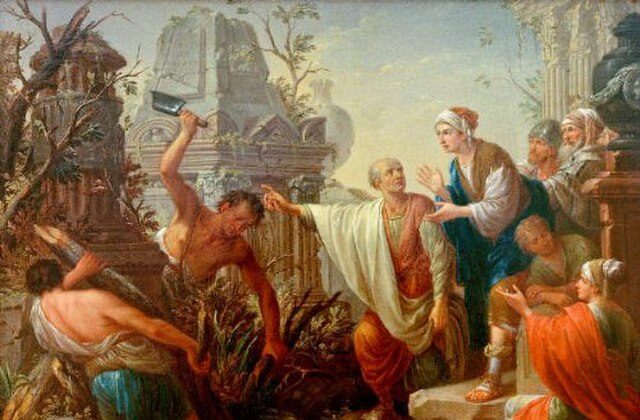
Cicero’s views are reflected in some of the Constitution’s specific provisions.
The ideas that formed the Constitution, part 6: Polybius

In the debate over the Constitution, both sides looked to Polybius for ammunition.
The “Twitter Files” Scandal

Read about the constitutional and legal issues in Twitter censorship.
The ideas that formed the Constitution: part 5: Aristotle
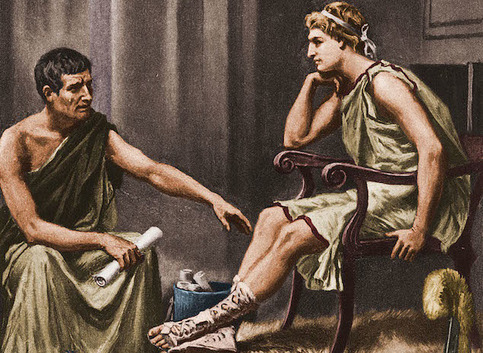
James Madison admired Aristotle’s work “The Politeia.”
Destroying Falsehoods Behind ‘You Didn’t Build That!’

This particular piece of sophistry is particularly beguiling, because it relies on several hidden fallacies….
The ideas that formed the Constitution, Part 4: the pioneers: Socrates, Xenophon, Plato
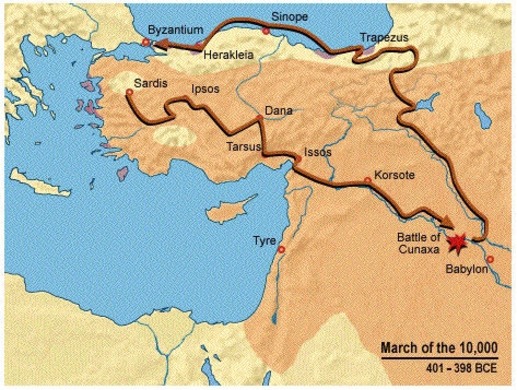
Some Federalists expressed pride in the Constitution precisely because they considered it more reality-based than Plato’s “Republic.”
The ideas that formed the Constitution, Part 3: the pioneers: Socrates, Xenophon, Plato
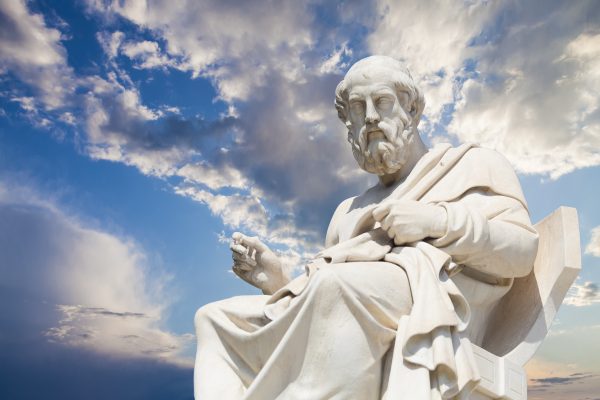
Plato refined Socrates’s classification of political systems and suggested that the better political forms tend to degenerate into corrupt forms. Aristocracy, for example, becomes oligarchy, and democracy becomes tyranny.
The ideas that formed the Constitution, Part 2: The Founders’ education
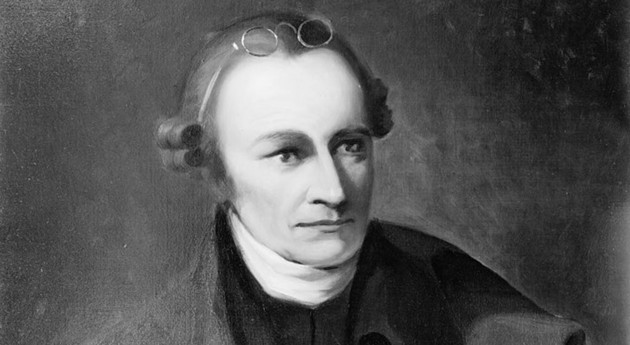
Eighteenth-century education encompassed religion, music, and English. . . . But the heart of the curriculum was made up of the Greco-Roman classics.
