
Civics 101: How to understand the Constitution
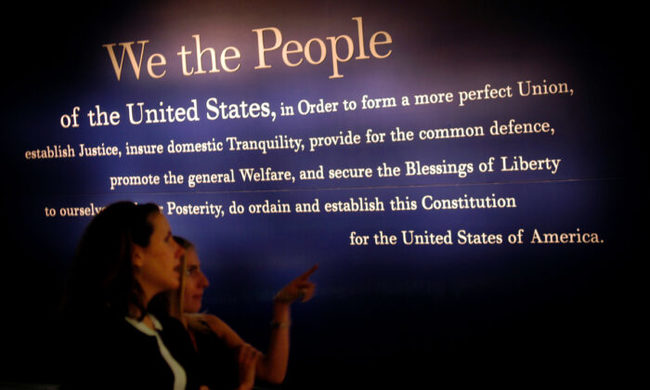
“Here’s an important, but widely overlooked, feature: The document doesn’t grant power only to federal officials. It also confers power on persons and entities who are not part of the U.S. government at all.”
A defense of the Electoral College
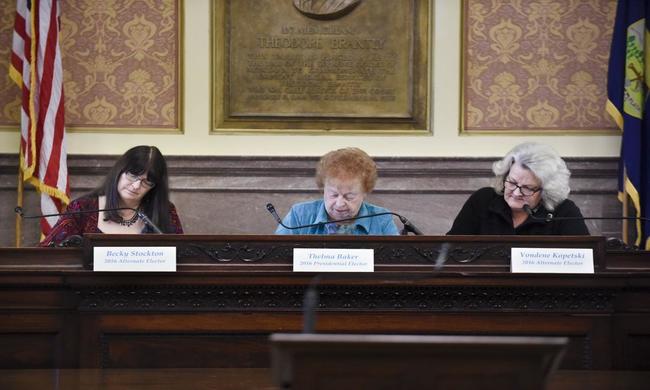
“… when Hamilton stated . . . that he believed electors would use “information and discernment,” that is not very good evidence that future electors did in fact use information and discernment. But it is quite good evidence that Hamilton and his readers believed the Constitution empowered electors to do so.”
City destroys home without paying: Will the Supreme Court take the case?
The Takings Clause in the Fifth Amendment to the U.S. Constitution . . . reads in part, “nor shall private property be taken for public use, without just compensation.”
Underselling Originalism
Originalism is not a modern invention “[T]he ‘intent of the makers’ had been the lodestar of documentary construction since at least the 1500s.”
Global warming and the Constitution’s amendment process: How to tell whether a ‘consensus’ Is true
How academics formed a completely erroneous “consensus” about the convention procedure of Article V.
Two new briefs in the Supreme Court’s Electoral College case
[The integrity of presidential electors] has taken on great urgency as “progressive” state legislatures increasingly meddle with free elections.
New article: 18th century law shows impeachment requires a crime
Examples of high misdemeanors . . . were bribery, assault, and attempted murder.
How much power may Congress delegate to federal agencies?

[T]he search for a single “non-delegation” principle applicable to all congressional powers is a futile one. Instead, the scope of permissible delegation of any particular congressional power must be sought in the meaning of the words describing that power.
Where were all the Constitution’s defenders when the feds raised the smoking age?
[S]etting minimum consumption ages is not a power the Constitution grants the federal government. The Constitution reserves it to the states.
What the “expert” panel should have told you about impeachment—but didn’t
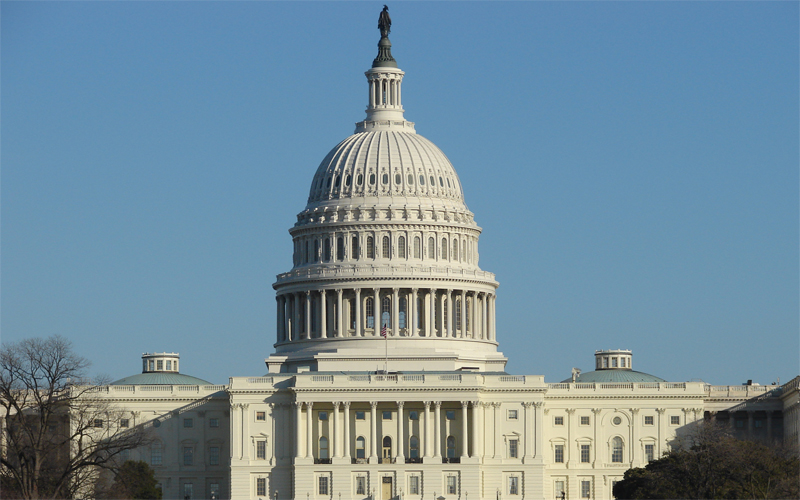
Impeachment law is not for amateurs. It rests on English parliamentary history extending at least as far back as the 1300s. . . .
Under the Constitution the President, not unelected bureaucrats, makes foreign policy
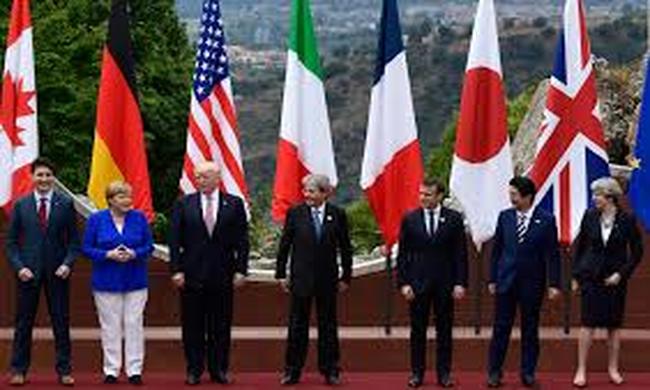
These witnesses and their congressional sponsors apparently believe the consensus of professionals should control foreign policy. . . . But the Constitution squarely repudiates this “foreign policy by committee” approach.
The Constitution tells us impeachment is valid even though the Speaker has not transmitted it
Nothing in the Constitution gives [the Speaker of the House a presidential-style veto.
