
How much power may Congress delegate to federal agencies?

[T]he search for a single “non-delegation” principle applicable to all congressional powers is a futile one. Instead, the scope of permissible delegation of any particular congressional power must be sought in the meaning of the words describing that power.
Where were all the Constitution’s defenders when the feds raised the smoking age?
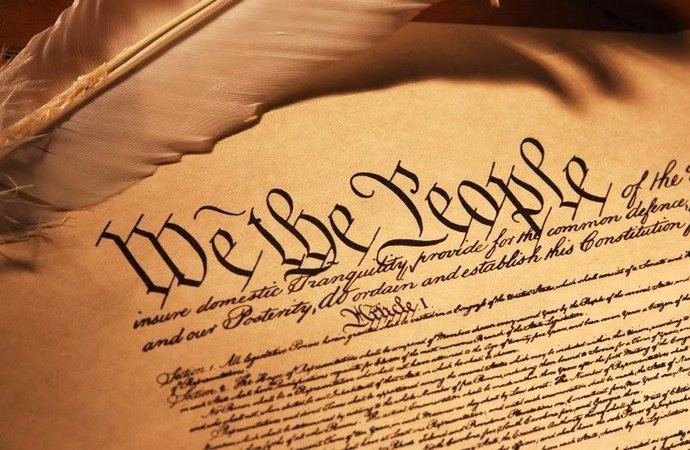
[S]etting minimum consumption ages is not a power the Constitution grants the federal government. The Constitution reserves it to the states.
What the “expert” panel should have told you about impeachment—but didn’t
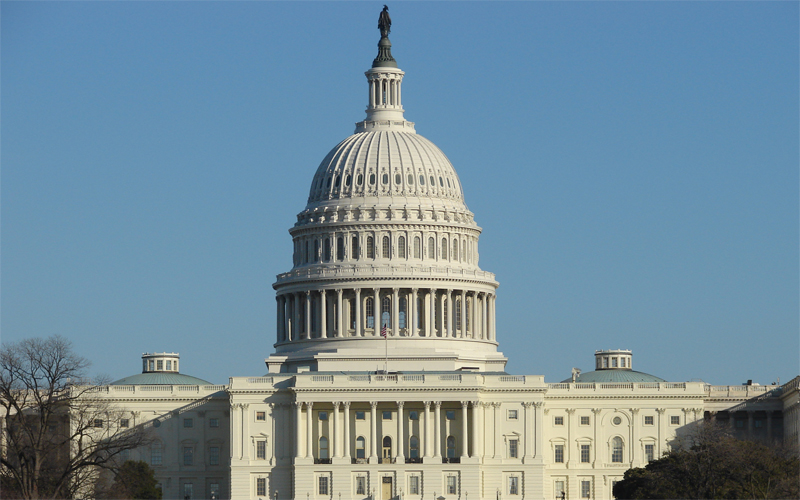
Impeachment law is not for amateurs. It rests on English parliamentary history extending at least as far back as the 1300s. . . .
Under the Constitution the President, not unelected bureaucrats, makes foreign policy
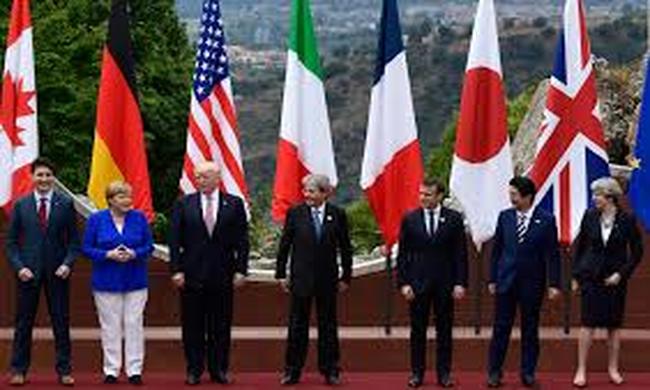
These witnesses and their congressional sponsors apparently believe the consensus of professionals should control foreign policy. . . . But the Constitution squarely repudiates this “foreign policy by committee” approach.
The Constitution tells us impeachment is valid even though the Speaker has not transmitted it
Nothing in the Constitution gives [the Speaker of the House a presidential-style veto.
Lies law professors tell

[A] whole generation of law students has been trained to think that the 19th century courts were heartless tools of malicious capitalists, and that enlightened reform came only with the virtuous 20th century “progressives.”
Real originalism (not the cartoon version some love to attack) explained

Originalism has been the prevailing method of documentary interpretation in English and American law for at least five centuries.
New information on the Constitution’s ratification—Part IV North Carolina
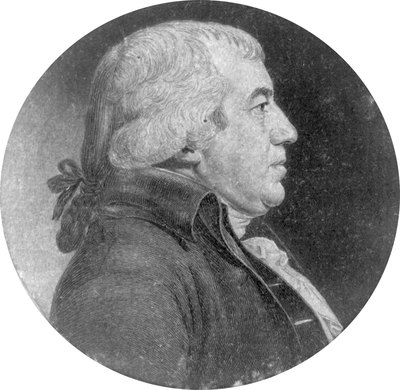
North Carolinians repeatedly—both in official and unofficial documents—referred to an Article V convention as a “convention of the states.”
The Judiciary Committee’s ex post facto approach to impeachment violates the Constitution

The committee’s decision . . . may be convenient for its purposes. But it violates both the rule of law and the American constitutional order.
Why McCulloch v. Maryland—now 200 years old—is not a ‘big government’ manifesto
In the 20th century, the Supreme Court cited McCulloch to uphold unprecedented federal spending and regulatory programs. Law school constitutional law courses sometimes treat McCulloch the same way. . . . [But] this approach is the product of historical ignorance.
Elizabeth Warren’s wealth tax is unconstitutional—and why you shouldn’t believe law professors’ claims to the contrary

The fact that many of America’s law schools are one-sided political hothouses further encourages leftist passion at the expense of curiosity and care.
Did Founder James Wilson oppose the Electoral College and favor ‘National Popular Vote?’
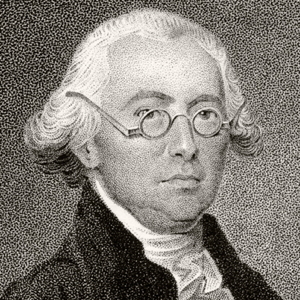
Although Wilson toyed with the idea of direct election, when all was said and done he preferred the presidential system featured in our Constitution.
