
New Study Finds Administrative State Unconstitutional
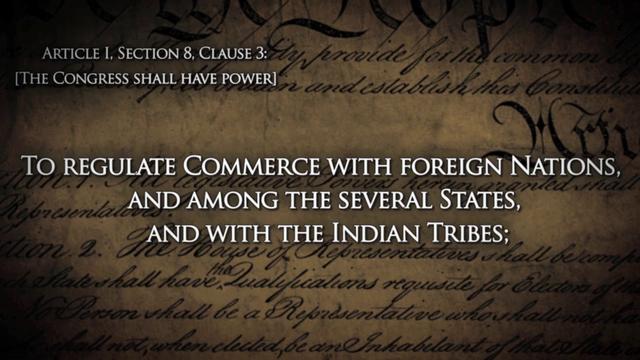
When the framers and ratifiers used the phrase “regulate Commerce” they meant “regulate trade.” Both “regulate commerce” and “regulate trade” meant to administer the body of jurisprudence known as the law merchant.
The ideas that formed the Constitution, Part 9: Virgil and other poets
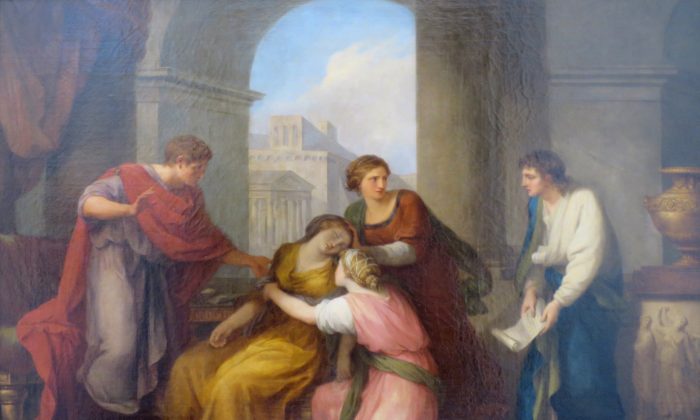
If the American Founding had a poet laureate, Virgil would be it.
The Ideas That Formed the Constitution, Part 8: Cicero (Cont.)
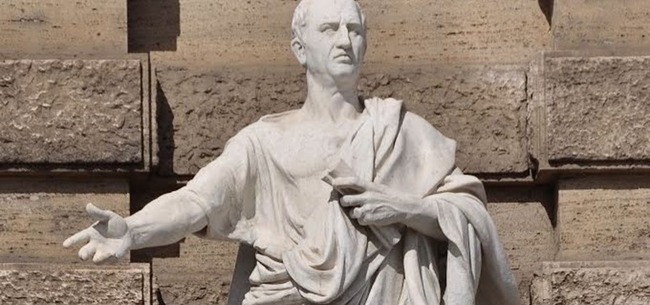
Directly or indirectly, Cicero probably influenced the Constitution as much as any other thinker.
Ideas that Formed the Constitution, Part 7: Cicero
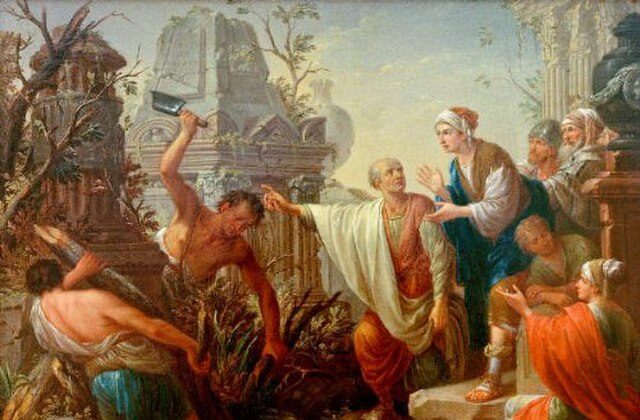
Cicero’s views are reflected in some of the Constitution’s specific provisions.
The ideas that formed the Constitution, part 6: Polybius

In the debate over the Constitution, both sides looked to Polybius for ammunition.
The ideas that formed the Constitution: part 5: Aristotle
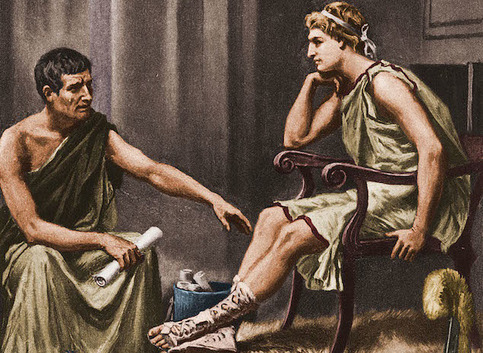
James Madison admired Aristotle’s work “The Politeia.”
The ideas that formed the Constitution, Part 4: the pioneers: Socrates, Xenophon, Plato

Some Federalists expressed pride in the Constitution precisely because they considered it more reality-based than Plato’s “Republic.”
The ideas that formed the Constitution, Part 3: the pioneers: Socrates, Xenophon, Plato
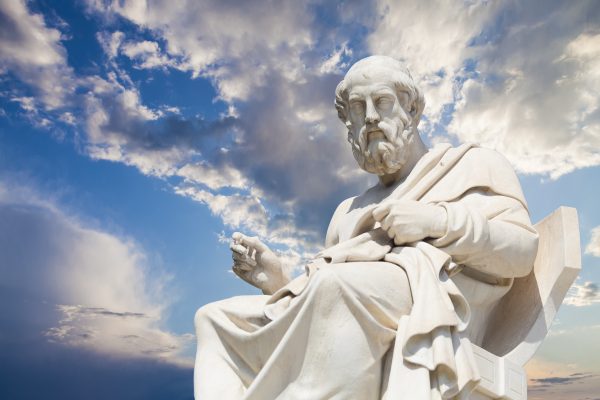
Plato refined Socrates’s classification of political systems and suggested that the better political forms tend to degenerate into corrupt forms. Aristocracy, for example, becomes oligarchy, and democracy becomes tyranny.
The ideas that formed the Constitution, Part 2: The Founders’ education
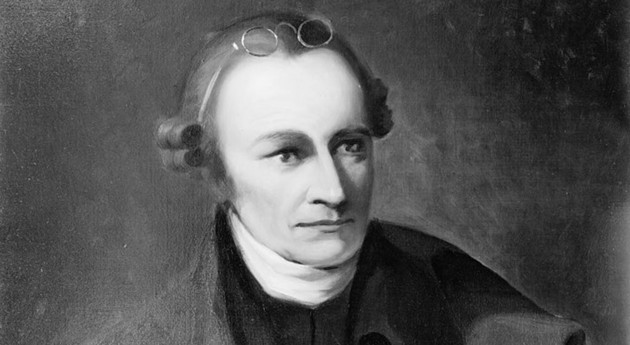
Eighteenth-century education encompassed religion, music, and English. . . . But the heart of the curriculum was made up of the Greco-Roman classics.
First in a series: The ideas that formed the Constitution
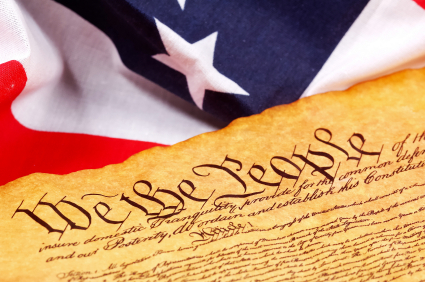
These essays will focus on the writers who taught the Founders their political lessons—their lessons in republicanism, in political organization, and in political virtue.
Defending the Constitution: Why the Framers Thought Ratification by Only Nine States Was Sufficient
Why nine? Because any combination of nine states (even the nine with the smallest populations) would comprise a majority of American citizens.
Understanding the Constitution: Originalism was not invented by partisan Republicans
In constitutional law, the methods applied by “progressives” are the new, partisan inventions. Originalism is the standard bequeathed by the ages.