
The ideas that formed the Constitution, Part 4: the pioneers: Socrates, Xenophon, Plato

Some Federalists expressed pride in the Constitution precisely because they considered it more reality-based than Plato’s “Republic.”
The ideas that formed the Constitution, Part 3: the pioneers: Socrates, Xenophon, Plato
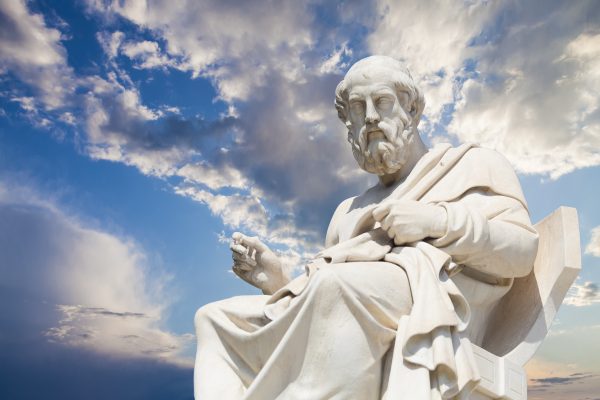
Plato refined Socrates’s classification of political systems and suggested that the better political forms tend to degenerate into corrupt forms. Aristocracy, for example, becomes oligarchy, and democracy becomes tyranny.
The ideas that formed the Constitution, Part 2: The Founders’ education
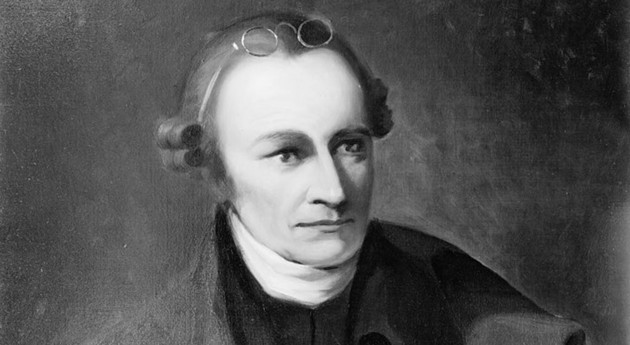
Eighteenth-century education encompassed religion, music, and English. . . . But the heart of the curriculum was made up of the Greco-Roman classics.
First in a series: The ideas that formed the Constitution
These essays will focus on the writers who taught the Founders their political lessons—their lessons in republicanism, in political organization, and in political virtue.
Defending the Constitution: Why the Framers Thought Ratification by Only Nine States Was Sufficient
Why nine? Because any combination of nine states (even the nine with the smallest populations) would comprise a majority of American citizens.
Understanding the Constitution: Originalism was not invented by partisan Republicans

In constitutional law, the methods applied by “progressives” are the new, partisan inventions. Originalism is the standard bequeathed by the ages.
Will the Supreme Court stretch the Commerce Clause even more?
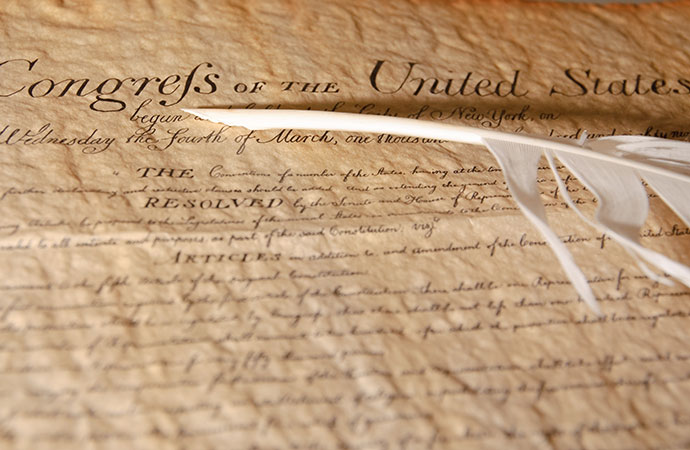
Some claim that when the word “Commerce” is applied to Native Americans, it magically balloons in scope, allowing Congress to regulate just about anything.
Understanding the Constitution: The Power to Restrict Immigration
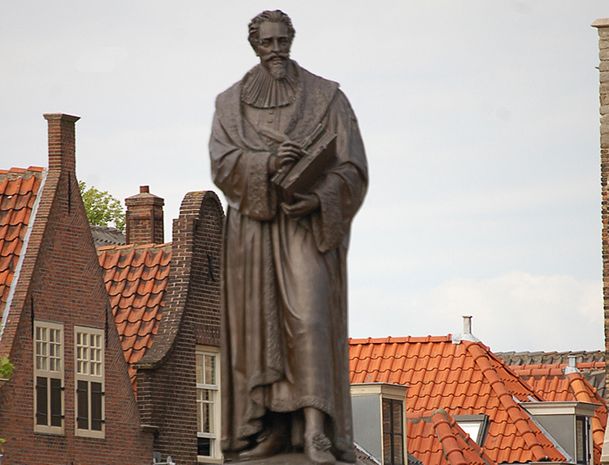
The Constitution gives Congress power to “define and punish” offenses against the law of nations. Scholars popular among the Founders wrote that illegal immigration is such an offense.
Governor DeSantis, the raid on Trump, and the rule of law—Part II

DeSantis has just helped educate us on the rule of law. For that he deserves our gratitude.
Understanding the Constitution: Why it doesn’t protect the unborn
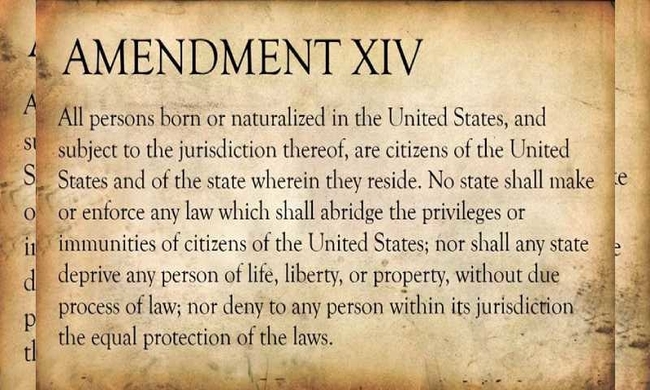
As Justice Samuel Alito pointed out in Dobbs v. Jackson Women’s Health (pdf)—and as the late, great Justice Antonin Scalia said repeatedly—the Fifth and 14th Amendment Due Process Clauses really have nothing to do with abortion.
Understanding the Constitution: The Great Forgetting

All of these false assertions emerged from a historical process—primarily during the 19th century—that I’ve labeled “The Great Forgetting.”
Would a federal Law legalizing abortion survive the Supreme Court?

For the court to strike down a federal abortion law, it would have to . . . courageously enforce the Constitution’s subject-matter boundaries between federal and state jurisdiction.
