
Justice Thomas again shows he’s the Supreme Court’s only consistent originalist

Although Justice Thomas agreed that the protection against excessive fines applies to the states, he was the only member of the court to do so on plausible originalist grounds.
Why the “National Popular Vote” scheme is unconstitutional

NPV . . . with or without congressional approval . . . violates a central principle of constitutional law.
What Is Originalism?
Today the only consistent originalist on the Supreme Court is Justice Clarence Thomas.
The Electoral College is still right for America
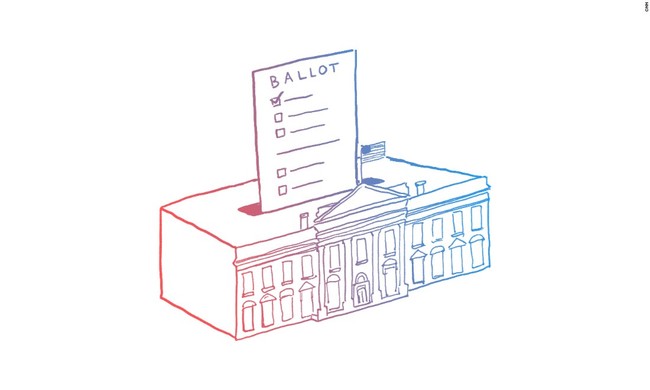
It is not true, as some claim, that the Founders acted only out of distrust of democracy. Rather, the system was a brilliant response to a complicated set of issues.
Convention of States a path to restoring constitutional government
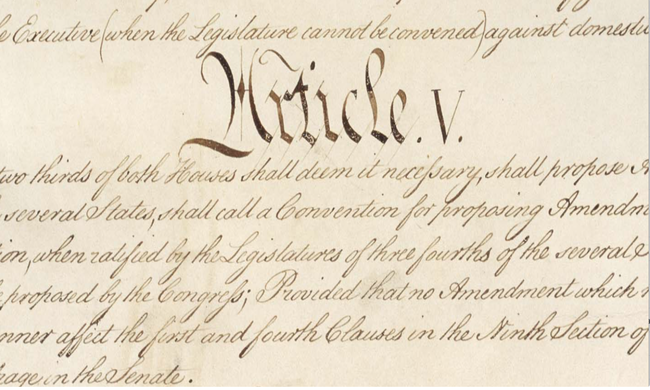
The amendment procedure is not a partisan device. It is a valuable constitutional right available to all Americans who want to improve their federal government.
What impeachment requires and why it wouldn’t be wise for Dems to push it
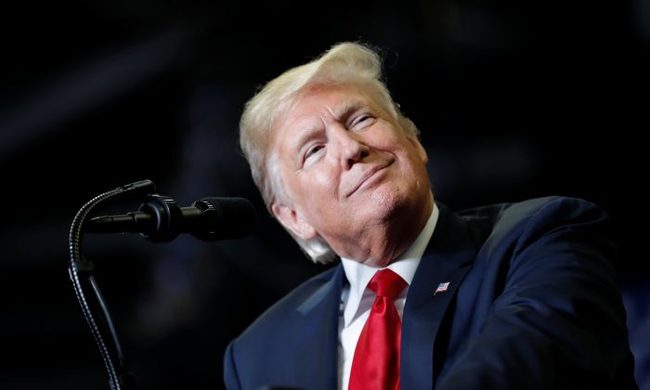
The political difficulty for the Democratic House if it tries to impeach the president is that the last time that party was in control, its own conduct fell far short of fiduciary standards.
Problems with Excessive Federal Land Ownership

The fact is that real estate socialism doesn’t work any better than most other kinds of socialism.
It’s time to truly test the constitutionality of Obamacare

Previous Origination Clause plaintiffs lost because they attacked Obamacare’s taxes instead of its regulations. Plaintiffs suing for relief from regulations that harm them may have more success.
The Feds have a constitutional duty to stop the caravan at the border

[T]he caravan is an “invasion” within the meaning of the Constitution’s Guarantee Clause. Moreover, that Clause does not merely empower federal officials to repel an “Invasion.” It commands them to do so.
William Penn’s Charter of Liberties—one of our Constitution’s ancestors
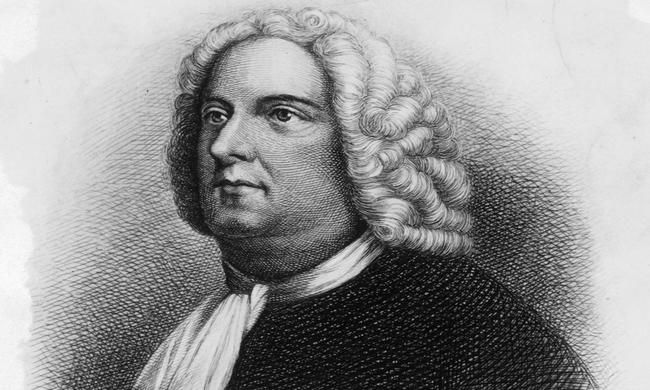
The Charter of Liberties and Frame of Government granted by William Penn to his colony on May 5, 1682 . . . was . . . a true colonial constitution.
New case shows the Supreme Court’s defense of constitutional federalism is only tepid
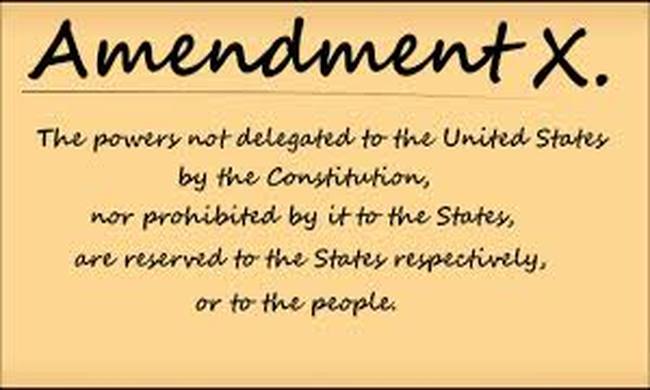
. . . Those who adopted the Constitution understood that governance of recreational activities, such as sports, was reserved to the states. Regulation of in-state gambling, like other moral issues, similarly was outside the federal sphere.
What does it mean for the Senate to give Its “Advice and Consent?”
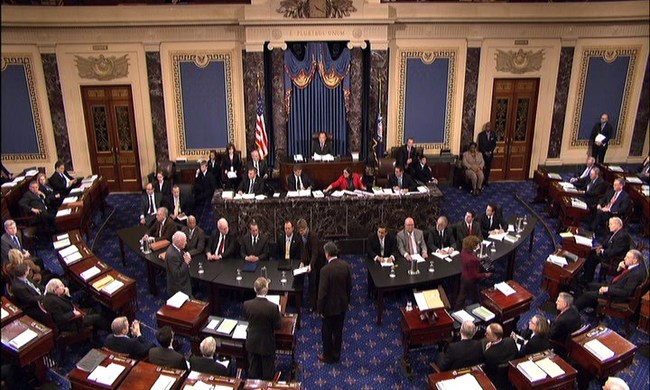
“During the 18th century, when “advice” . . . appeared in the same phrase with the preposition “with,” the word meant deliberation or consideration.”
