
Biden’s nasty speech and the nation’s governors
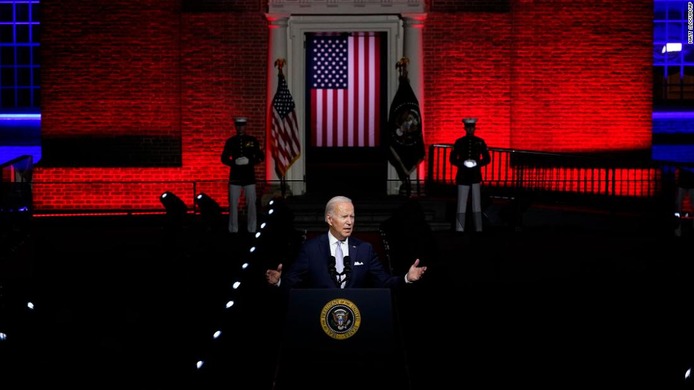
Many states have governors with no illusions about this administration, and who understand what its direction is likely to be. If those governors have not begun already to plan for a crisis, they had better start now.
Will the Supreme Court stretch the Commerce Clause even more?
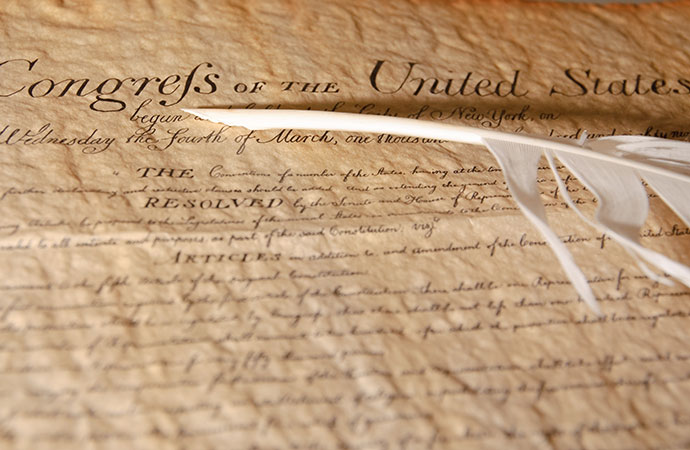
Some claim that when the word “Commerce” is applied to Native Americans, it magically balloons in scope, allowing Congress to regulate just about anything.
Understanding the Constitution: The Power to Restrict Immigration

The Constitution gives Congress power to “define and punish” offenses against the law of nations. Scholars popular among the Founders wrote that illegal immigration is such an offense.
A Further Response to Prof. Ablavsky on the Indian Commerce Clause
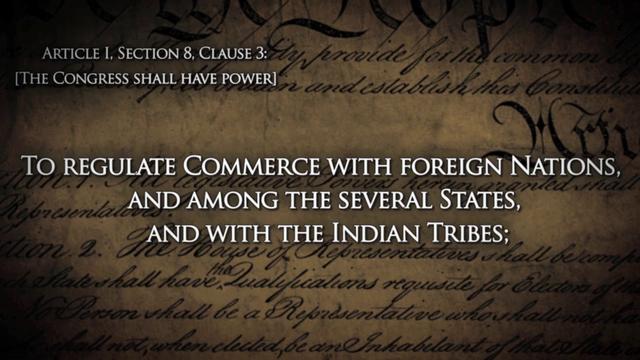
We discovered that Ablavsky’s work contained a disturbing number of inaccurate, non-existent, and misleading citations, as well as deceptively-edited quotations.
One reason judges make mistakes about the Constitution
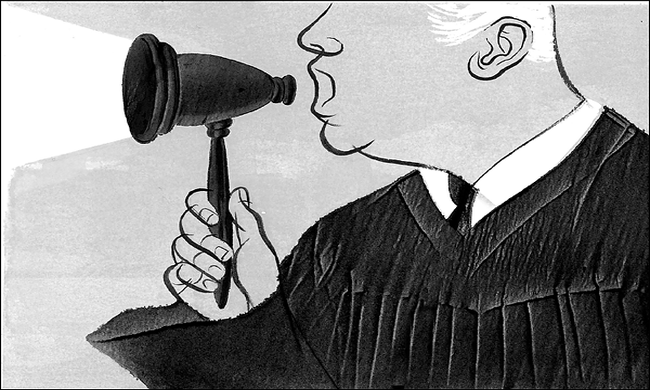
Sometimes judges must rely on biased, untrained people for information on how to interpret our Constitution.
Governor DeSantis, the raid on Trump, and the rule of law—Part II
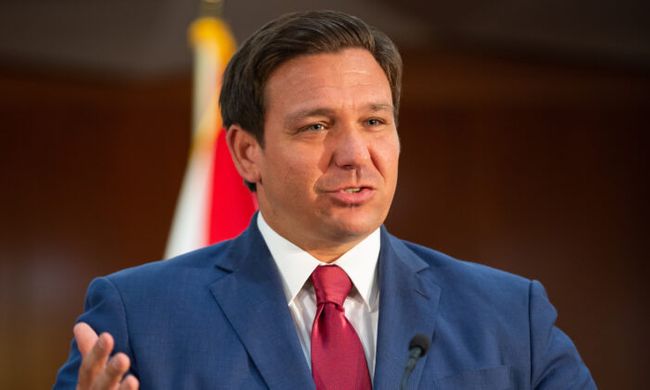
DeSantis has just helped educate us on the rule of law. For that he deserves our gratitude.
Governor DeSantis and the Rule of Law—Part I
America’s success is due partly to our traditional respect for the rule of law.
Understanding the Constitution: Why it doesn’t protect the unborn
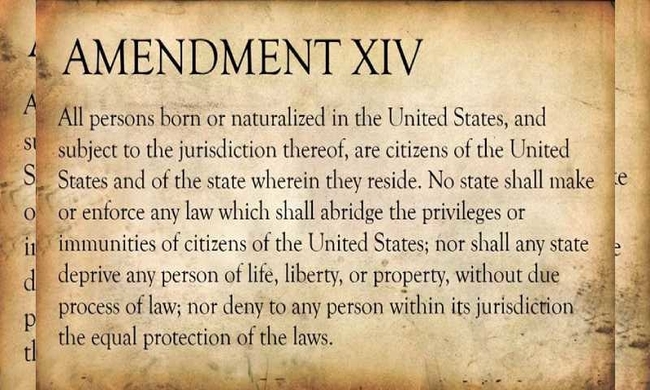
As Justice Samuel Alito pointed out in Dobbs v. Jackson Women’s Health (pdf)—and as the late, great Justice Antonin Scalia said repeatedly—the Fifth and 14th Amendment Due Process Clauses really have nothing to do with abortion.
Understanding the Constitution: The Great Forgetting

All of these false assertions emerged from a historical process—primarily during the 19th century—that I’ve labeled “The Great Forgetting.”
Would a federal Law legalizing abortion survive the Supreme Court?

For the court to strike down a federal abortion law, it would have to . . . courageously enforce the Constitution’s subject-matter boundaries between federal and state jurisdiction.
The Constitution’s rules for relations with Indian tribes: part II

The leading myth in Indian law is that the Constitution gives Congress “plenary” (absolute) authority over Indian affairs.
The Supreme Court’s recent—and sweeping—Indian Law cases: part I
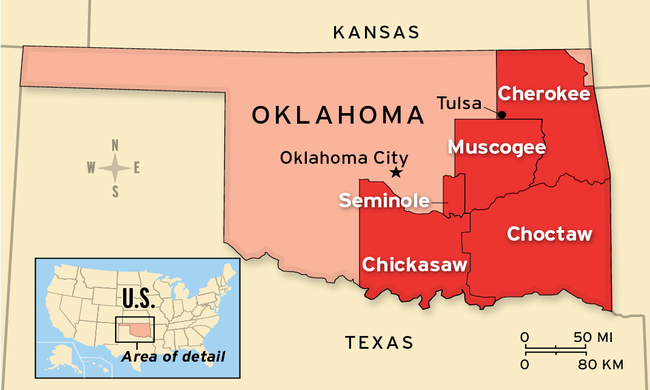
One reason the votes in these cases were so close is that the law of tribal sovereignty is chaotic.
