
The ideas that formed the Constitution, Part 20: Vattel and the Law of Nations
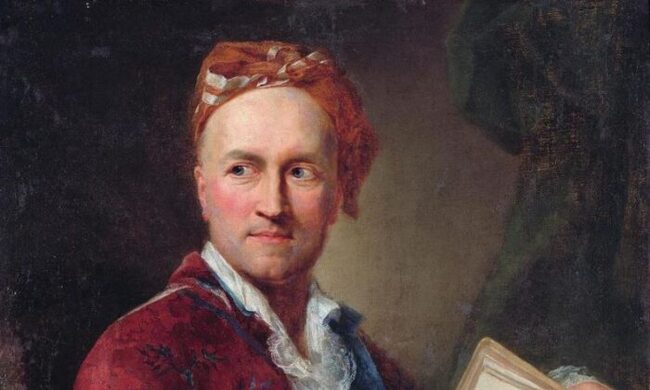
During the 17th and 18th centuries, five great scholars forged international law into its modern shape. The American Founders relied on their work.
New Video on the Limits of Congress’s Commerce Clause Power

Congress’ effort to regulate Indian child placement is unconstitutional.
The ideas that formed the Constitution, Part 19: Jean-Louis DeLolme: ‘We the People …’
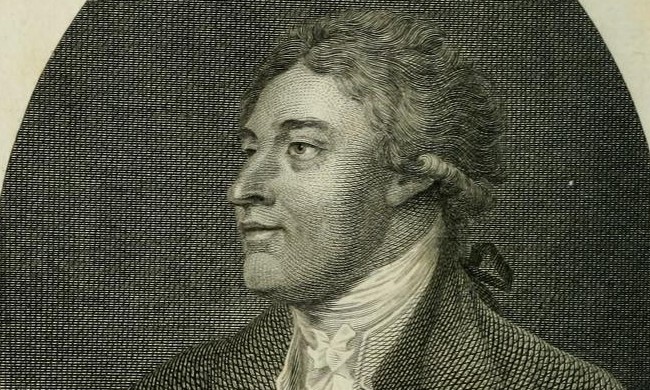
The source of the Constitution’s first three words was very likely Jean-Louis DeLolme.
The ideas that formed the Constitution, Part 17: Sir Isaac Newton
Newton exemplified the Scientific Revolution—an event that changed not only how people thought about the physical universe, but also how they thought about politics and government. This greatly affected the U.S. Constitution.
An Attack on Conservative Podcasts from the Liberal Echo Chamber

The Brookings author probably thought she was being objective. But she was caught within her own echo chamber.
The ideas that formed the Constitution, Part 16: John Locke and the Ninth Amendment
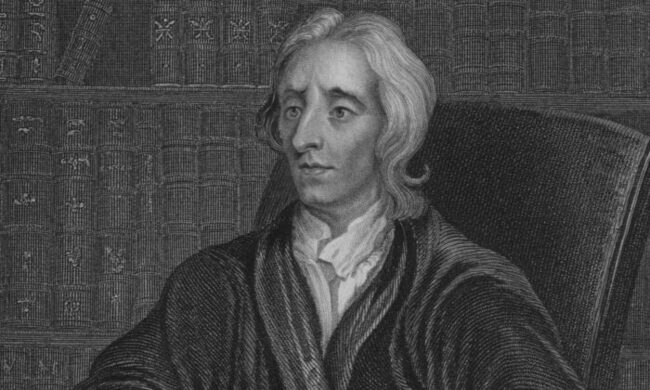
Locke’s writings contained many specific observations realized in the Constitution
Fact Check: No, Mary Goddard Did Not Sign the Declaration of Independence
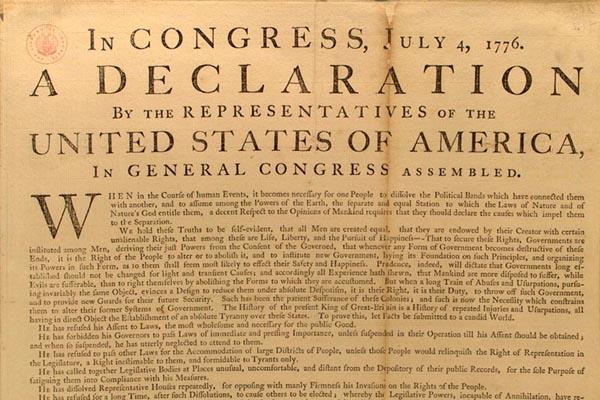
Another “woke” myth exposed.
The ideas that formed the Constitution, Part 15: James Harrington & Algernon Sidney
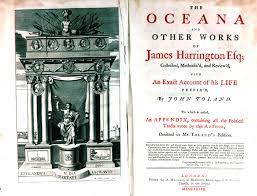
John Adams featured Harrington in the first volume of his encyclopedia of republican governments, which circulated at the Constitutional Convention.
The “Tax on Sacks:” More on Colorado’s stupid plastic bag law
The tax on sacks illustrates how power-freaks have highjacked Colorado.
The framers explained why the Constitutional Convention had authority to propose the Constitution
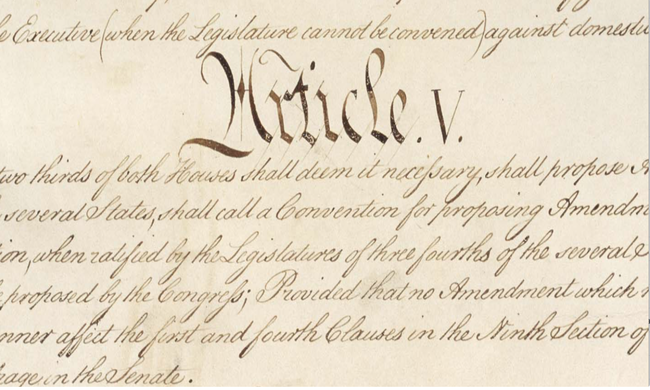
Key framers explained why the Constitutional Convention had authority to propose a new form of government.
The ideas that formed the Constitution, Part 14: Machiavelli

The Founders were far more interested in Machiavelli’s “Discourses on Livy” than in “The Prince.”
The ideas that formed the Constitution, Part 13: Tacitus
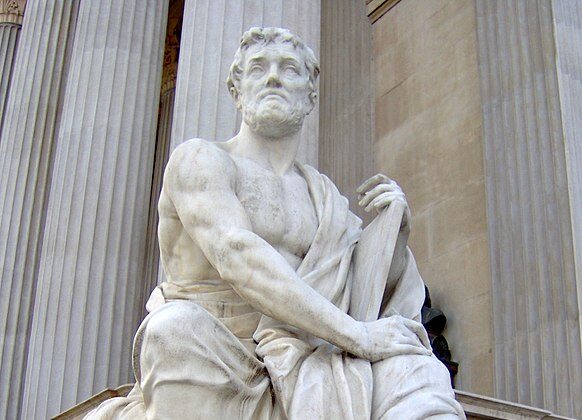
The most important lesson the Founders learned from Tacitus was that power corrupts.