
Electoral College Rules Made Simple (or, rather, less complicated)—2nd in a Series
During the founding era, election rules were said to fix the “manner of election” . . . This term embraced . . . five categories.
Why Did the Framers Create the Electoral College?—1st in a Series
The delegates . . . found the question of how to choose the federal executive one of the most perplexing they faced. People who want to abolish the Electoral College usually are unfamiliar with how perplexing the issue was—and still is.
Electoral College: Answers to Questions
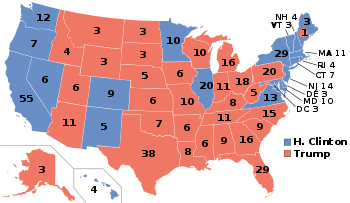
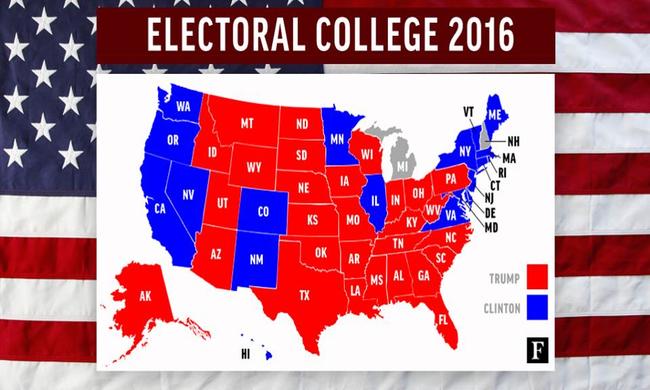
Here are answers to some questions I’ve gotten about the Electoral College since Election Day: Q. What is the Electoral College? A. It’s not an educational institution! The term “college” is a typical 18th century latinate usage, based on the Latin word “collegium,” meaning a club or guild. (This another example of why knowledge of […]
More Founding-Era Evidence that Some State Functions Derive Only From the Constitution (With Some Comments on the Amendment Process)
In prior posts, I’ve discussed two key elements of constitutional law: 1. The Constitution grants some powers to persons and entities other than the federal government. These persons and entities include state legislatures, state governors, state conventions, the Article V “Convention for proposing Amendments,” Congress as a free-standing assembly, and the Electoral College. 2. When […]
The Constitution’s Grants To Persons and Entities Outside the U.S. Government
A little known aspect of our Constitution is that it delegates power, not just to the U.S. Government and to its units, but also to persons and entities outside the U.S. Government. In each case, the power to act is derived ultimately from the Constitution. Even when those persons or entities are states or officeholders […]
