
Q&A for state legislators and citizens—the Constitution and how to settle the election
Q. So what should state lawmakers do in Arizona, Georgia, Michigan, Nevada, Pennsylvania, and Wisconsin? A. Ignore the media gaslighting and exercise their constitutional responsibilities.
The significance of the Amy Coney Barrett appointment

In Justice Barrett we have a two-fer. She offers geographic diversity . . . And she offers educational diversity.
The Left’s War on the Constitution

[T]he “progressives” have lost the argument over constitutional meaning. And that is why they have pivoted to assail the document itself.
Is the Nomination of Amy Coney Barrett Unconstitutional?

[T]he statements by Biden, Leahy, and Feingold are flatly incorrect. The current proceedings are neither “unconstitutional” nor “illegitimate” nor an attempt to “steal” anything.
The “right to travel”

Most people would recognize the right to travel as an inherent, natural right of free people, and the courts say that it is the Constitution. But is it really there?
Civics 101: How to understand the Constitution
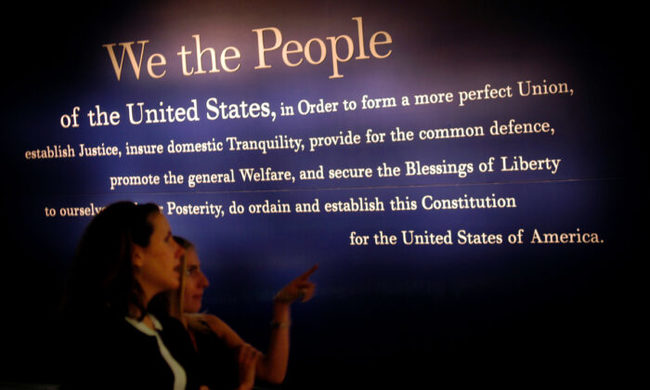
“Here’s an important, but widely overlooked, feature: The document doesn’t grant power only to federal officials. It also confers power on persons and entities who are not part of the U.S. government at all.”
New article shows how amendments conventions and other “federal functions” are regulated
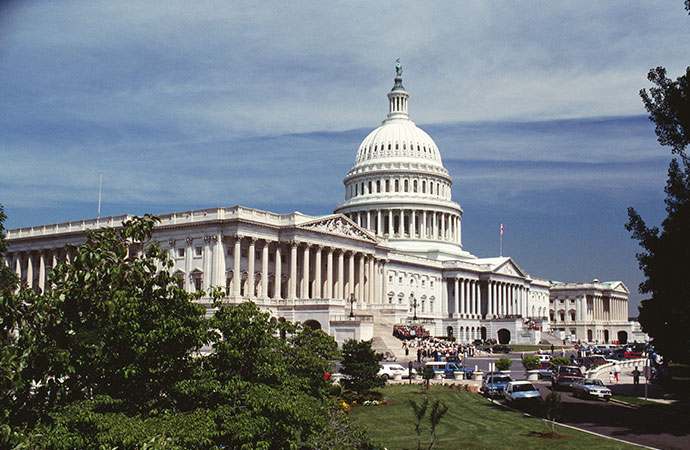
“[A]nother mistake is that because an amendments convention executes a federal function, Congress can control it. But . . . the rules and protocols for carrying out federal functions come from the Constitution, not from Congress.”
City destroys home without paying: Will the Supreme Court take the case?
The Takings Clause in the Fifth Amendment to the U.S. Constitution . . . reads in part, “nor shall private property be taken for public use, without just compensation.”
Denver’s COVID-19 house arrest order is probably unconstitutional

“[Denver] has overreacted and has potentially violated the constitutional rights of city residents and millions of others.
Video: Rob Natelson and Jon Caldara discuss “Nat’l Popular Vote” & protecting the Electoral College’s integrity
Rob explains why II submitted a Supreme Court brief to protect presidential elector discretion and why the National Popular Vote Compact is a terrible idea
Underselling Originalism
Originalism is not a modern invention “[T]he ‘intent of the makers’ had been the lodestar of documentary construction since at least the 1500s.”
Global warming and the Constitution’s amendment process: How to tell whether a ‘consensus’ Is true
How academics formed a completely erroneous “consensus” about the convention procedure of Article V.