
Will the Supreme Court strike down bigoted state constitutional rules?
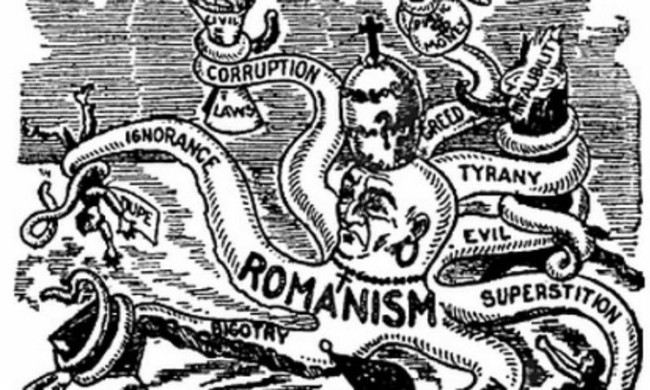
[T]he history of anti-sectarian clauses shows that “sectarian” is not a synonym for “religious” and anti-sectarian clauses were not designed merely to discriminate against religion. Instead, they were designed to discriminate in favor of some religions and against others.
What the “expert” panel should have told you about impeachment—but didn’t
Impeachment law is not for amateurs. It rests on English parliamentary history extending at least as far back as the 1300s. . . .
Under the Constitution the President, not unelected bureaucrats, makes foreign policy
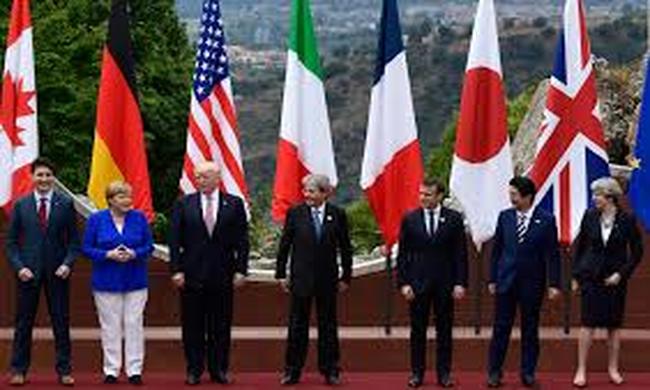
These witnesses and their congressional sponsors apparently believe the consensus of professionals should control foreign policy. . . . But the Constitution squarely repudiates this “foreign policy by committee” approach.
The Constitution tells us impeachment is valid even though the Speaker has not transmitted it
Nothing in the Constitution gives [the Speaker of the House a presidential-style veto.
Lies law professors tell
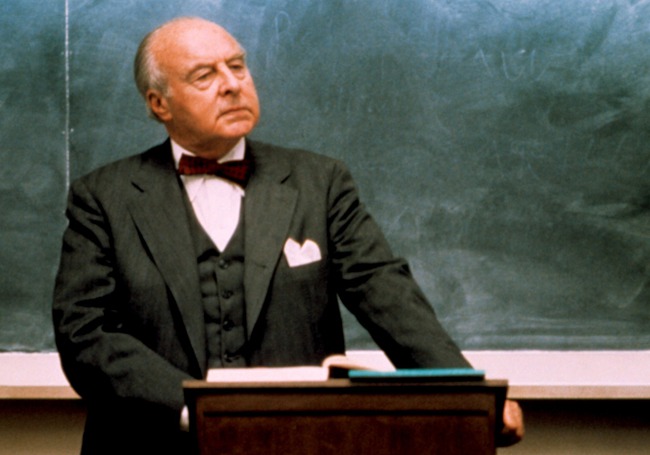
[A] whole generation of law students has been trained to think that the 19th century courts were heartless tools of malicious capitalists, and that enlightened reform came only with the virtuous 20th century “progressives.”
Real originalism (not the cartoon version some love to attack) explained

Originalism has been the prevailing method of documentary interpretation in English and American law for at least five centuries.
New information on the Constitution’s ratification—Part IV North Carolina
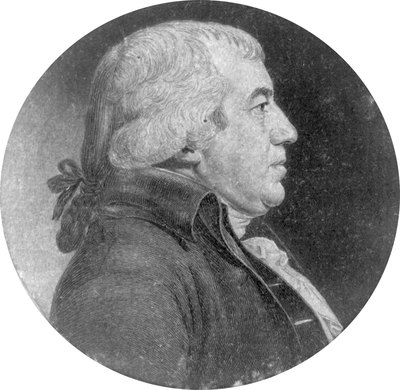
North Carolinians repeatedly—both in official and unofficial documents—referred to an Article V convention as a “convention of the states.”
The Judiciary Committee’s ex post facto approach to impeachment violates the Constitution

The committee’s decision . . . may be convenient for its purposes. But it violates both the rule of law and the American constitutional order.
Why McCulloch v. Maryland—now 200 years old—is not a ‘big government’ manifesto
In the 20th century, the Supreme Court cited McCulloch to uphold unprecedented federal spending and regulatory programs. Law school constitutional law courses sometimes treat McCulloch the same way. . . . [But] this approach is the product of historical ignorance.
Impeachment inquiry rules skewed heavily against the President
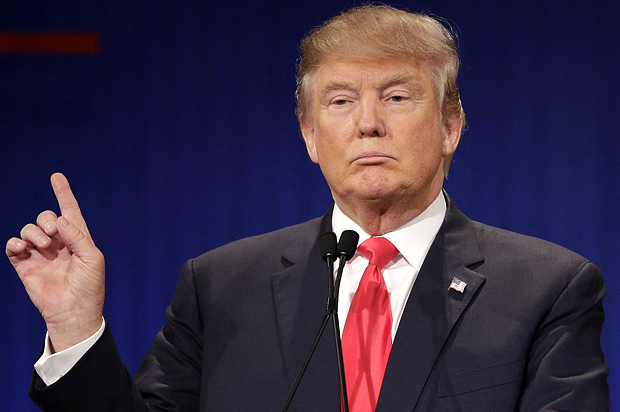
Unfortunately, the new House rules fall far short of even minimal due process standards.
Should we interpret the Constitution so the feds can oversee everything affecting more than one state?
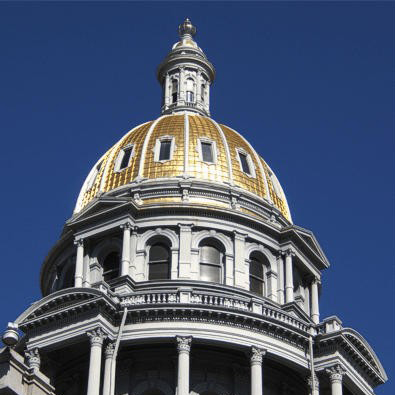
As the framers did with so many other decisions, in allocating authority between states and federal government they balanced competing values.
More evidence that the Obamacare insurance mandate was unconstitutional

A leading Founder pointed out that authority to regulate commerce did not include power to compel it.
