
The ideas that formed the Constitution, part 12: Plutarch
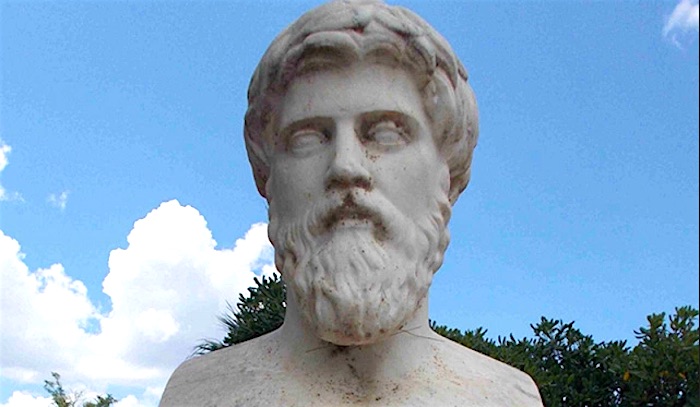
About 40 percent of the title characters in Plutarch’s biographies ended up as pen names in the constitutional debates,
The ideas that formed the Constitution, Part 11: Livy
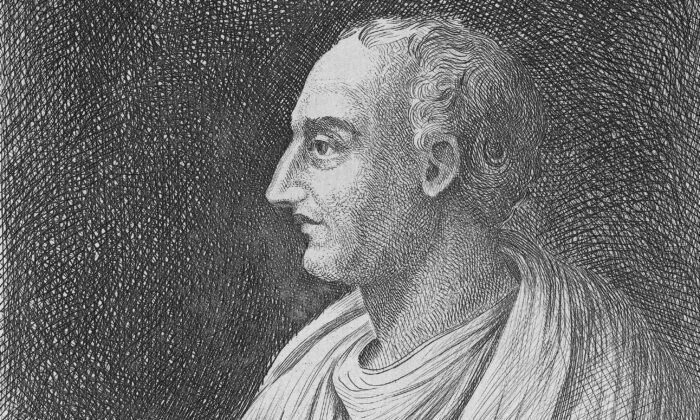
After studying him in school, as adults, many of the Founders remained devoted to Livy.
The ideas that formed the Constitution, Part 10: Virgil alone
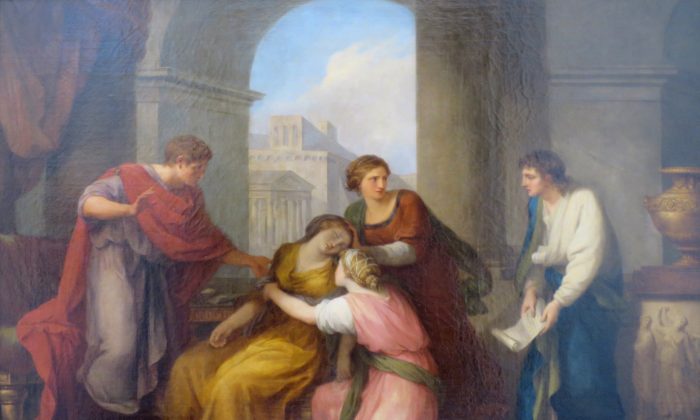
Participants in the ratification debates could supplement English by using Virgil’s expressions . . . Virgil gave their message more force.
Yet more evidence comes to light that an amendments convention is a “convention of the states”
Founding era state legislative records show beyond doubt that an amendments convention is a “convention of the states”
Congress’s new attack on democracy & the Constitution

Sometimes “our democracy” just doesn’t seem to matter.
New Study Finds Administrative State Unconstitutional
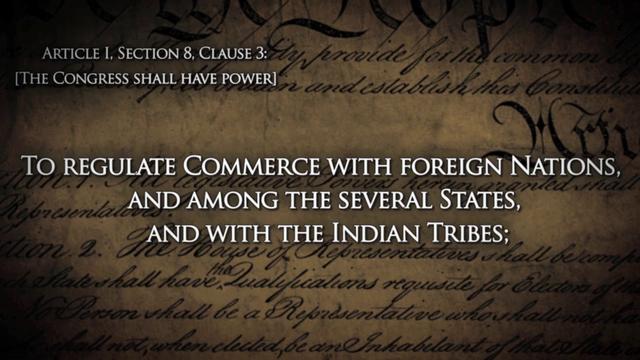
When the framers and ratifiers used the phrase “regulate Commerce” they meant “regulate trade.” Both “regulate commerce” and “regulate trade” meant to administer the body of jurisprudence known as the law merchant.
The ideas that formed the Constitution, Part 9: Virgil and other poets
If the American Founding had a poet laureate, Virgil would be it.
The Ideas That Formed the Constitution, Part 8: Cicero (Cont.)
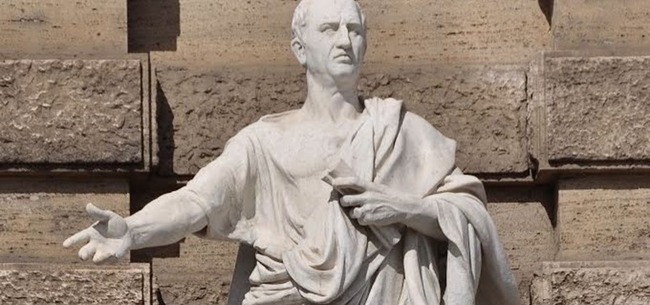
Directly or indirectly, Cicero probably influenced the Constitution as much as any other thinker.
The real Commerce Clause—as the Founders knew it
During the Founding era, the phrase “regulate Commerce” had a very specific meaning
Ideas that Formed the Constitution, Part 7: Cicero
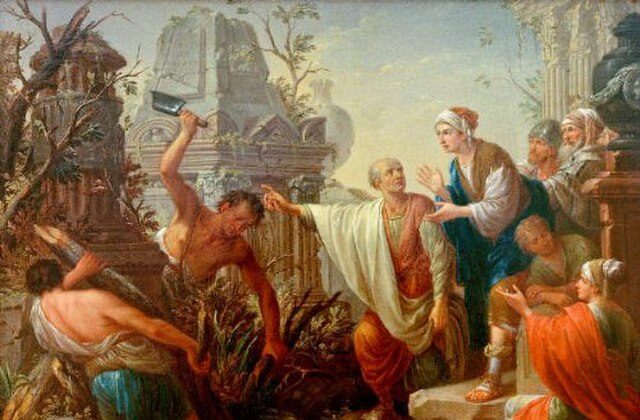
Cicero’s views are reflected in some of the Constitution’s specific provisions.
The ideas that formed the Constitution, part 6: Polybius

In the debate over the Constitution, both sides looked to Polybius for ammunition.
The “Twitter Files” Scandal
Read about the constitutional and legal issues in Twitter censorship.
