
How a ‘convention of states’ could tweak the Constitution
Representatives of state legislatures from across the nation will converge in Phoenix, Arizona on Sept. 12 to participate in a traditional American institution called a “convention of states.” Conventions of states are valuable. They help ensure Washington, DC doesn’t dictate all decisions on every subject. The purpose of the meeting in Phoenix is to plan […]
Part II: What Can We Do About Legal Realism and Its Promotion of Judicial Activism?

. . . the problem centers in specific institutions: American law schools and the higher reaches of the judiciary.
Part I: Judicial activism: Here’s a core reason for it you’ve never heard about

The Founders erected the American legal system to operate in the context of Anglo-American judicial values. The rules placed expressly or implicitly in the Constitution . . . were designed to operate in that context. However, the context changed.
Drafting a Balanced Budget Amendment: It’s tougher than you might think
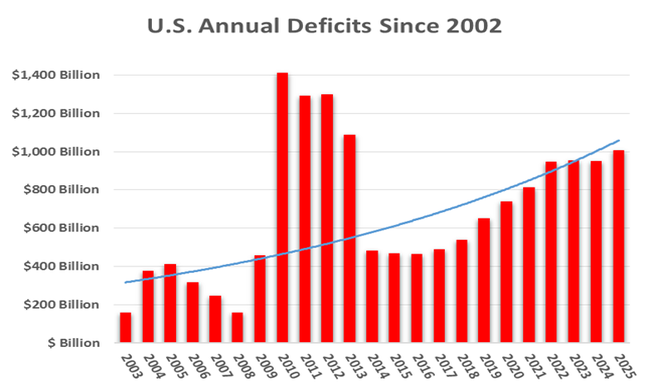
Of course, it is one thing to criticize, but another to try to craft something better.
If you want to win a Supreme Court case, it helps to play to “progressive” values

Observe how many of the Left’s ideological buttons the plaintiff’s lawyers pushed: non-profit, recycling, mandatory government fee, poverty, disabilities, environment—and that interminably-overused mantra: community.
The last convention of states ever held? It Centered on the Upper Colorado River
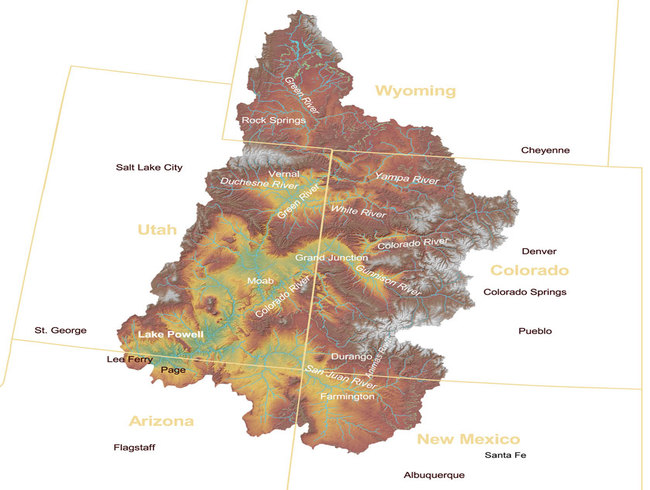
“This latest convention of states operated according to standard convention of states protocols.”
Supreme Court’s Ruling Against the PC Police

The Supreme Court’s decision this week in Matal v. Tam sent a clear warning to government officials who seek to curtail speech they deem offensive: We won’t let you do it! The warning was particularly pointed for the PC Police at state universities who try to close down viewpoints they find “offensive.” A federal law ordered the […]
The Define and Punish Clause doesn’t authorize vast federal power either

Legal commentators have spread a good deal of ink trying to show that the Constitution authorizes the enormous expansion of the federal government since the 1930s. Leading the way have been some associated—as professors, students, or alumni—with the most privileged educational institutions: Harvard, Yale, Chicago, and so forth. Their publications inflated the Commerce Clause to […]
Fake News: How Leading Liberal Newspapers Spread the “Runaway Convention” Story

Although there were scattered antecedents, “runaway convention” claims and certain associated myths were first distributed widely during the 1960s and 1970s. In a previous Article V Information Center study, I documented how those stories were publicized by leading opinion-molders in the national liberal establishment. Their goal was to disable the Article V convention process to […]
The Convention of States in American History
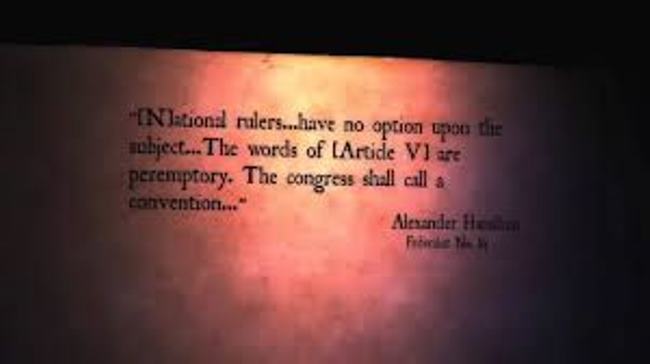
In this short essay, constitutional historian Rob Natelson thumbnails the three-centuries long history of “conventions of the states.” When delegations from the states assemble in Phoenix, Arizona later this year, they will be basking in a long and rich American tradition. As far back as 1677, British colonies in North America sent “commissioners” (delegates) to […]
Convention Rules for a Convention of the States

The convention of the states meeting in Phoenix, Arizona in September will need a set of rules. Moreover, that convention will be engaged in further rule-writing because the Arizona Legislature called it partly to suggest rules for a prospective Article V Convention for Proposing Amendments. I suggest the planners start with the Model Rules provided […]
Where Congress’s Power to Regulate Immigration Comes From

Congress’s power to regulate immigration comes from the law of nations—the meaning of which many constitutional commentators are unfamiliar.