
What Does the Constitution Mean by “Natural Born Citizen?”

The record shows that the Constitution’s meaning of “natural born” is complicated, but clear-cut
Why I Still Doubt the 2020 Election

Sixty years of political experience have taught me that secular leftists, unlike most traditional conservatives and liberals, often do not play by the rules.
John F. Kennedy, RIP Part II, With a Brief Parallel to Joe Biden
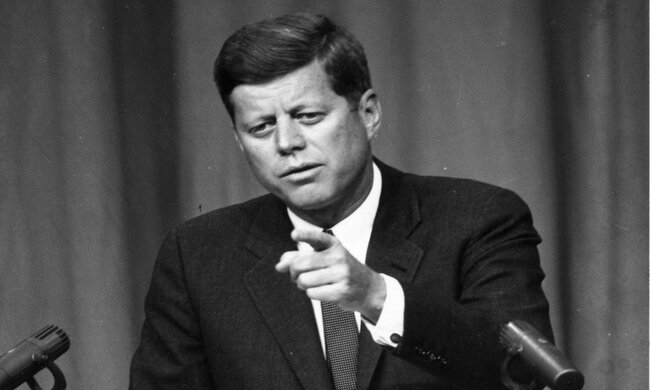
JFK was, in some ways, the author of the currently overgrown and dysfunctional federal bureaucracy.
Part #4: What’s Wrong with the Universities, and How to Fix It
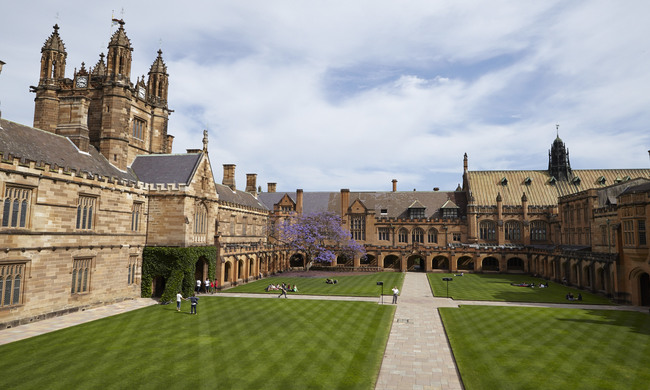
Getting the feds out is probably the single most important step toward curing our universities.
What’s Wrong with the Universities, and How to Fix It: Part 3
In this installment, I identify two other factors that aggravate the problems: The misuse of accreditation and the misuse of sports.
Jenna Ellis Plea Deal: The Standard the Prosecutors Imposed on Her Was Impossible to Meet
It’s absurd to claim that Ms. Ellis should have—or could have—independently verified whether there was fraud in the 2020 election.
Part #2: What’s Wrong with the Universities, and How to Fix It
With the current university model, What could possibly go wrong? The answer, of course, is “almost everything.”
What’s Wrong with the Universities, and How to Fix It: Part 1
In this series, I explain why our colleges and universities are laboring under a toxic cultural virus. I also offer ways to address the problem.
Federal Power Outside the Constitution?
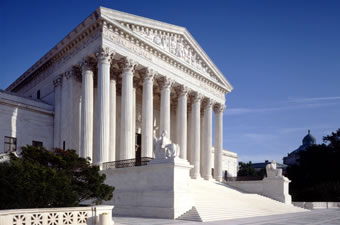
When the court believes that even its modern version of the Constitution doesn’t support a federal exercise of power, it nevertheless may uphold that exercise under the doctrine of inherent sovereign authority.
Understanding the Constitution: The Speaker of the House
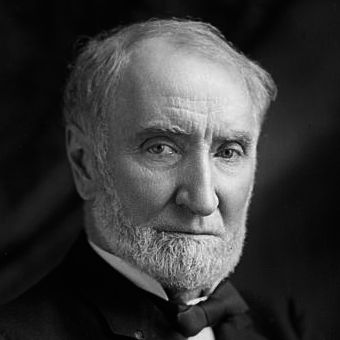
After the 2020 election, some Trump supporters promoted the idea of making him Speaker. The idea has re-surfaced.
Some Reasons Why Lawsuits to Disqualify Trump Will Fail
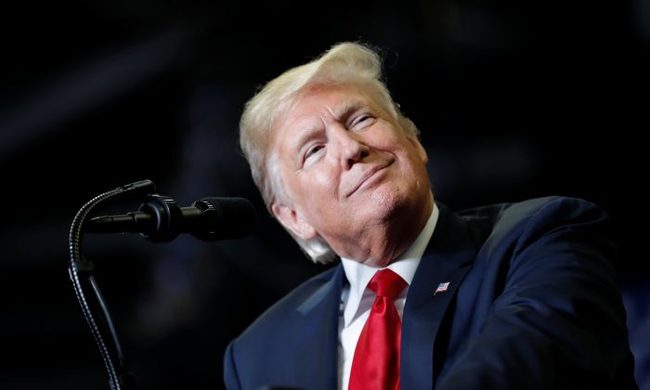
No responsible court should hear such a case, and no responsible lawyer should bring it.
Constitution’s Impeachment Rules Require Biden Inquiry to Be Narrowly Focused
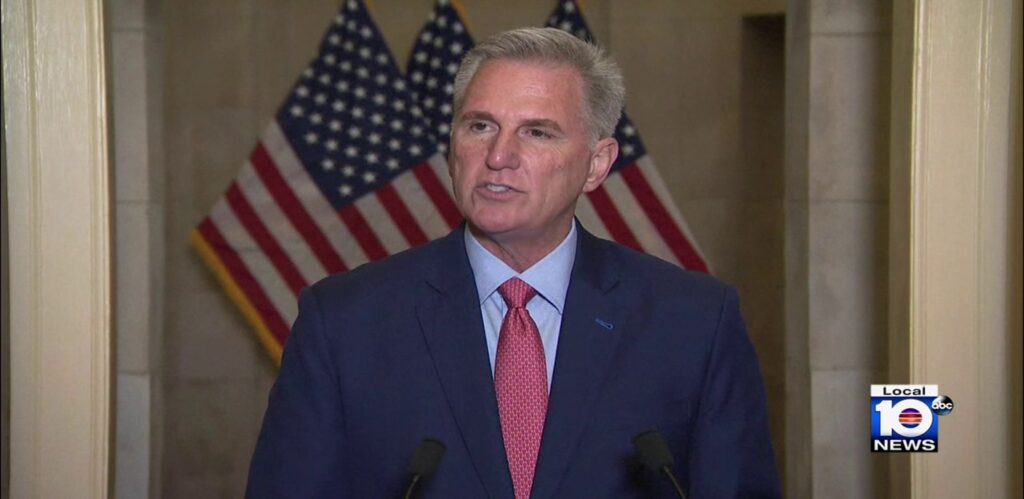
Constitutional writers have long understood the meaning of the terms “Treason,” “Bribery,” and high Crimes.” But the phrase “high Misdemeanors” was a subject of controversy.