
Understanding the Constitution: the English foundation

When educators underplay the English background in service to the “diversity” agenda, they leave their students clueless as to the meaning and significance of the Constitution, and susceptible to “woke” propaganda.
Understanding the Constitution: Constitutional amendments work
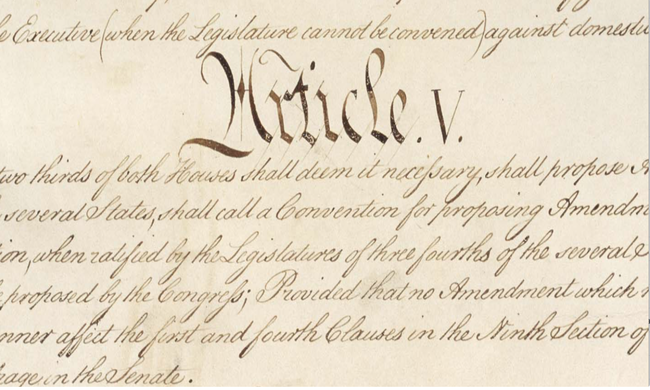
The lamp of experience sheds light unmistakably bright and clear: Constitutional amendments work.
Understanding the Constitution: Why most federal land holdings are unconstitutional and why you should care

Here’s the most important underlying cause of the fires: federal land ownership.
Tenant eviction moratoria are more than unconstitutional; they’re insurrectionary

These orders, federal and state, and not merely unconstitutional. They are fundamentally anti-constitutional. They are at war with a fundamental reason the Constitution was adopted.
Understanding the Constitution: How the document was composed
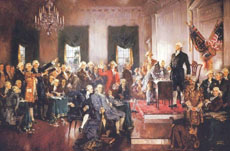
In drafting the U.S. Constitution, the framers composed a document unique for its balance and beauty.
Understanding the Constitution: the style of the preamble

Gouverneur Morris had been educated in Greek and Latin poetry, but in composing the preamble he wisely adopted meter appropriate to English. He heightened the effect with alliteration and near rhymes.
Defending the Constitution: Secrets behind those ‘obscure’ provisions
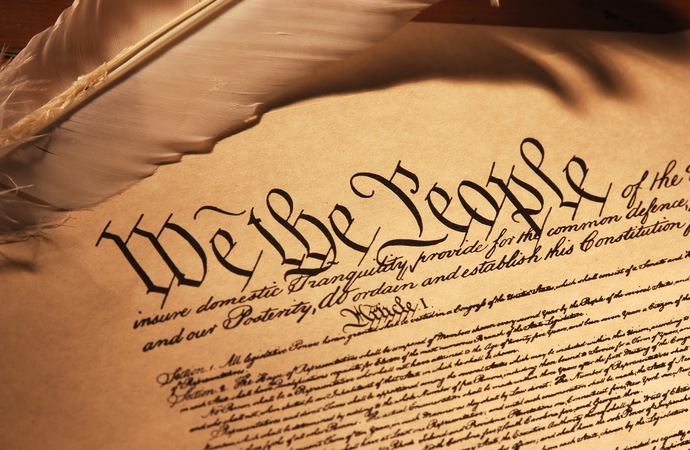
Here are questions and answers addressing five of the Constitution’s less famous provisions.
Defending the Constitution: The founders’ words were not ‘meaningless’ or ‘vague’
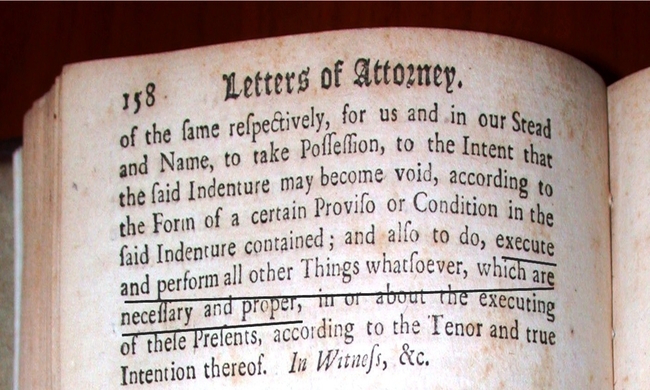
The charge that the Constitution is “vague” is based on ignorance.
Time for the Supreme Court to overrule Roe v. Wade

Even leading pro-choice scholars have acknowledged Roe’s defects.
Defending the Constitution: limits on federal authority
A final reason for decentralization is much less widely understood: Political decentralization promotes human progress.
Defending the Constitution: The 2nd Amendment is not outdated

Obviously she was never taught the difference between ordinary legislation (such as traffic laws) and a general constitutional standard.
Why the District of Columbia should not be a state
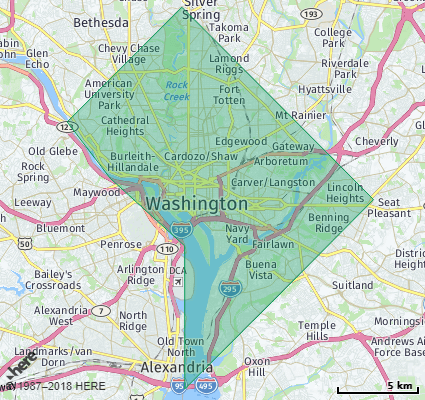
In presidential contests D.C. voters do not seriously weigh the merits or demerits of presidential candidates. The District is a dependency of the federal government, and its electorate invariably votes for the party that offers more government
