
Some Reasons Why Lawsuits to Disqualify Trump Will Fail
No responsible court should hear such a case, and no responsible lawyer should bring it.
Constitution’s Impeachment Rules Require Biden Inquiry to Be Narrowly Focused
Constitutional writers have long understood the meaning of the terms “Treason,” “Bribery,” and high Crimes.” But the phrase “high Misdemeanors” was a subject of controversy.
The Highly Political and Misunderstood Case of Moore v. Harper
Chief Justice Roberts’s language may create confusion the next time a state has a contested presidential election.
Your Guide to This Year’s Constitutional Cases From SCOTUS, Part II
The current bench challenges administrative overreach, but not overreach by Congress.
Your Guide to This Year’s Constitutional Cases From SCOTUS — Part I
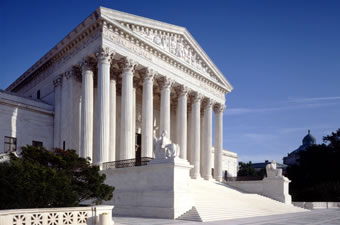
The Supreme Court issued both liberal and constitutionalist decisions.
The “Christian Web Designer Case” Could Have Been Much Easier

If it had been treated properly as a “freedom of the press” case, then whether designing was for business or personal purposes would have been irrelevant.
Tyler v. Hennepin County: Why This Seemingly Innocent Decision is Disquieting
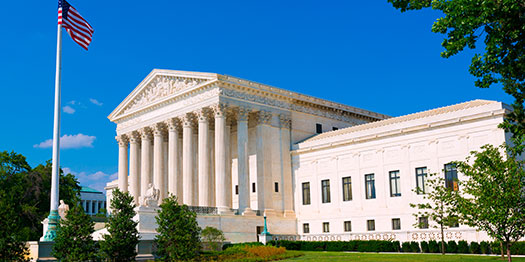
This case undermined state control over its own property law and probably gave the property owner an undeserved benefit.
The Supreme Court’s Confused Decision in Haaland v. Brackeen
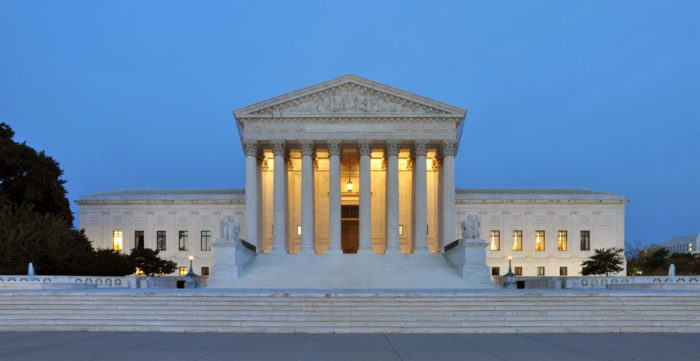
The Commerce Clause part of the decision is a mess. There is no more polite way to describe it.
Justice Thomas’s Latest Dissent: The Constitution and Federal Spending
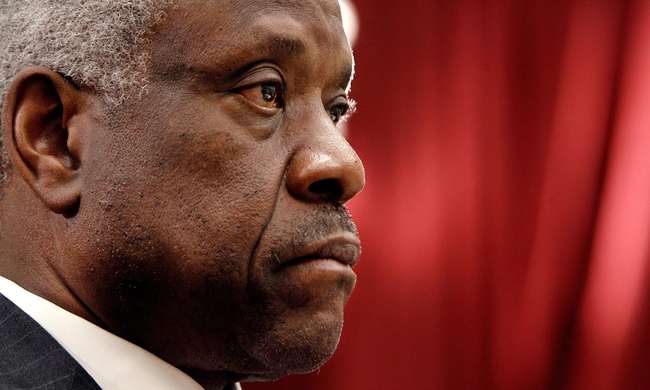
Justice Clarence Thomas frequently uses concurring and dissenting opinions to explain the Constitution’s fundamental principles.
SCOTUS Curbs EPA: The Sackett Case
Justice Alito’s majority opinion held that the phrase “waters of the United States” means only defined bodies of water—such as lakes and streams—and those wetlands that so border them that their waters’ surface merges with the surface of the lake or stream.
The Supreme Court’s New Decision on ‘Taking Property’
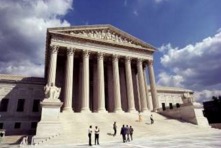
The justices unanimously ruled that keeping the entire tax-sale proceeds was unconstitutional.
The Founders and the Constitution, Part 13: The Connecticut Delegates
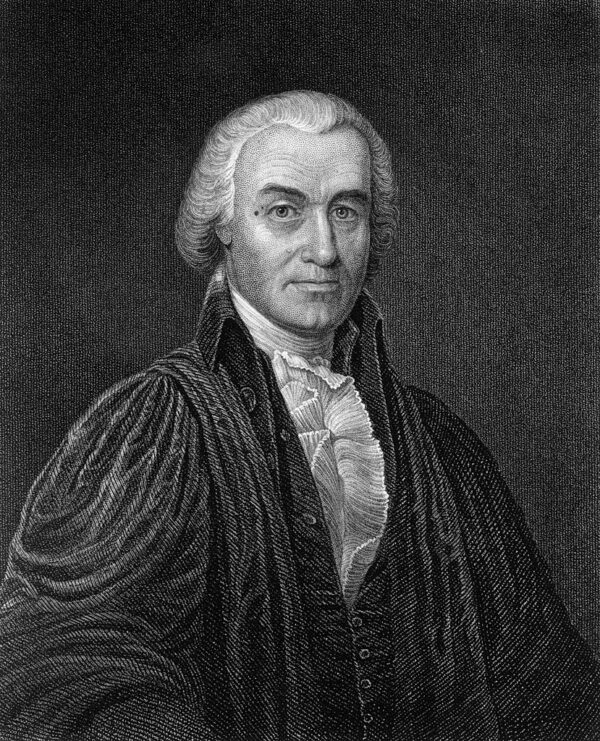
The Connecticut delegates achieved their goals through their willingness and skill in proposing moderate solutions and mutually reinforcing each other.
