
How to reform our dysfunctional federal government
For many members of Congress . . . almost their only job experience has been politics. They can hardly understand how the rest of us live.
How our Constitution was supposed to work: new evidence comes to light
. . . [A]ctivities over which the Constitution granted the federal government little or no jurisdiction [included] social services . . . education, religion, real estate, local businesses, most roads and other infrastructure, nearly all criminal law matters, and most civil court cases.
Independence Institute helps win court ruling protecting presidential electors
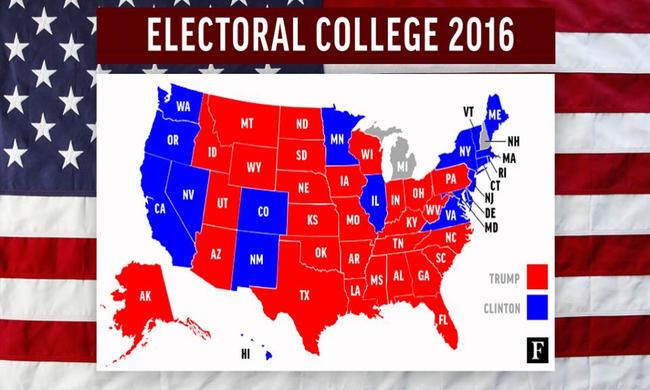
The framers modeled the Electoral College on indirect election systems then prevailing in Scotland and Maryland, in which elector discretion was pivotal.
How the Founders told us the Constitution would restrict federal power
This new article presents even more evidence on how the federal government was supposed to be limited.
New SCOTUS case does more than pave the way to reverse Roe v. Wade
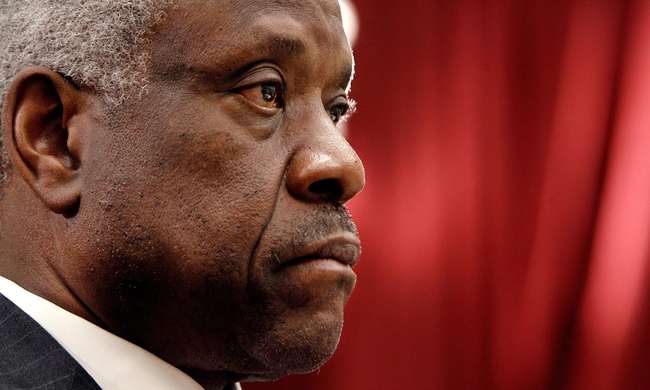
Justice Clarence Thomas’s concurrence probably received the most media attention. It is an essay on when the Supreme Court should follow precedent or overrule it. It helps lay the basis for reversing Roe v. Wade . . . .
How our presidential election system works

Some writers claim the framers adopted an indirect election procedure because they didn’t trust democracy. This is an oversimplification. The framers balanced many factors.
Judicial oligarchy is the wrong way to decide abortion policy

On abortion policy America has ceased to be a democracy and has become a judicial oligarchy.
The Supreme Court re-affirms Indian treaty originalism
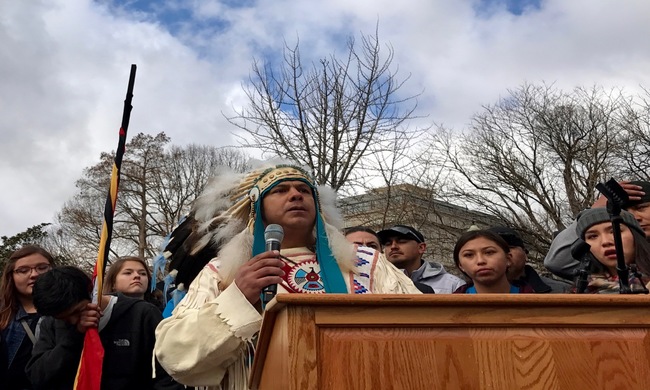
Why do many judges and commentators abandon standard interpretative methods when addressing some parts of the Constitution? The answer is clear.
The Supreme Court just applied originalism to an Indian treaty, so why not to the Constitution?
This case illustrates how judges apply originalism for almost all legal documents — except the Constitution.
New evidence on the meaning of the Necessary and Proper Clause
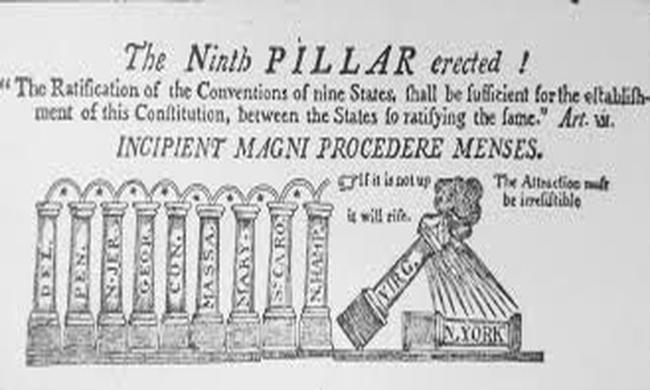
“. . . .the powers of this Congress are confined to what is expressly delegated to them”
New evidence on the constitutionality of paper money

I examined how the Constitution was represented to, and understood by, the ratifying public. And that resolved any doubt.
The founder who told Americans we have a right to military weapons
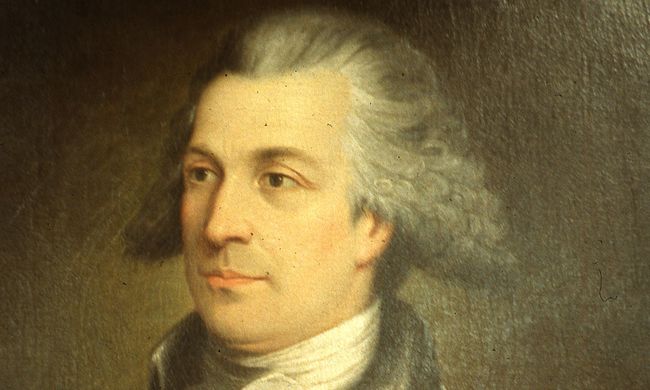
“THE POWERS OF THE SWORD ARE IN THE HANDS OF THE YEOMANRY OF AMERICA FROM SIXTEEN TO SIXTY … Who are the militia? are they not ourselves[?].”