
The Founders and the Constitution, Part 7: John Rutledge
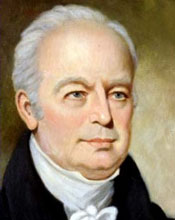
An astonishing number of Rutledge’s ideas ended up in the final Constitution.
New Video! Caldara interviews Natelson on the Founders and the Constitution
This video tells some of the Constitution’s “back story.”
The Founders and the Constitution, Part 6: James Wilson
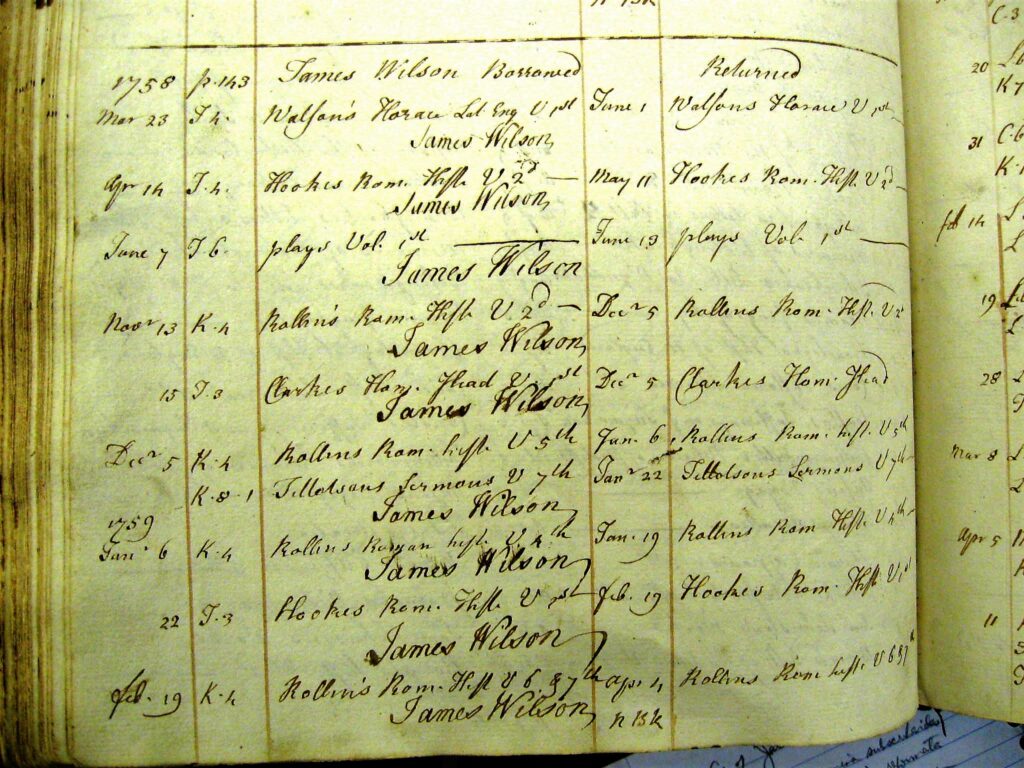
Despite the clear wording of the 10th Amendment, apologists for federal power still use Wilson’s “inherent sovereign authority” theory.
The Founders and the Constitution, Part 5: Edmund Randolph
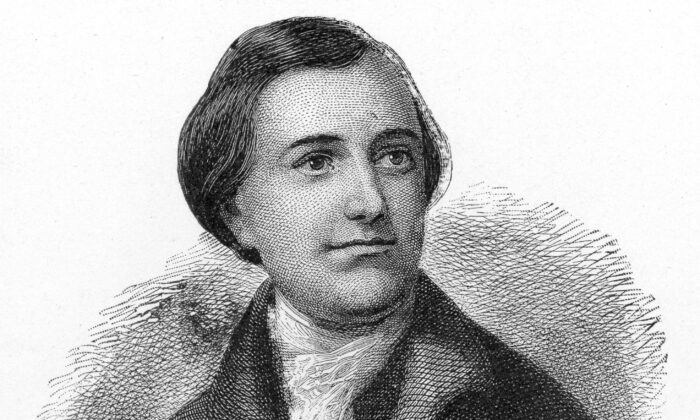
If not for Edmund Randolph, America’s most populous and most influential state would have rejected the Constitution. George Washington would have been ineligible for the presidency. The Union would have been smothered in its cradle.
Who Called the Constitutional Convention? The Commonwealth of Virginia
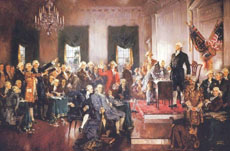
The Virginia legislature, not Congress, called the Constitutional Convention.
The Founders and the Constitution, Part 4: John Dickinson
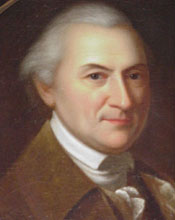
Without John Dickinson we might not have a Constitution.
The Founders and the Constitution, Part 3: James Madison
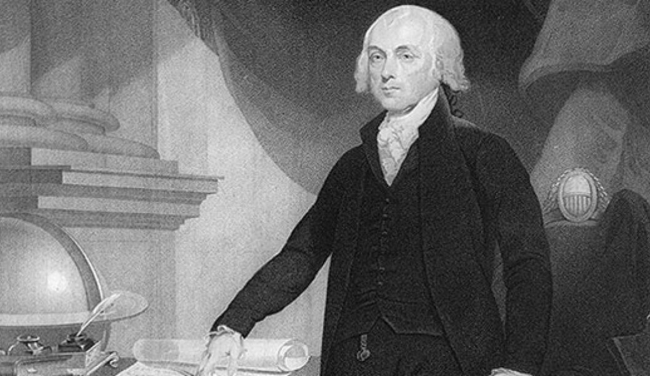
Madison was the most important single individual in the Constitution’s formation.
The Founders and the Constitution, Part 1: Introduction
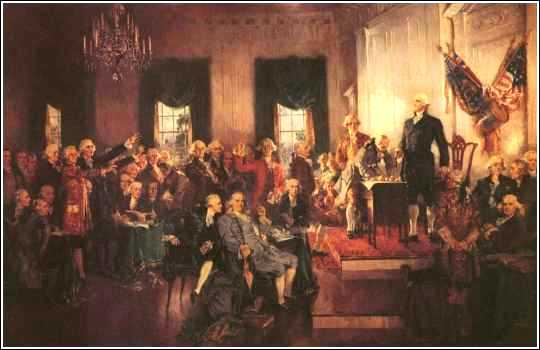
Although the men profiled in this series often disagreed with each other, each played a part of which Americans can be proud.
The end of representative government?
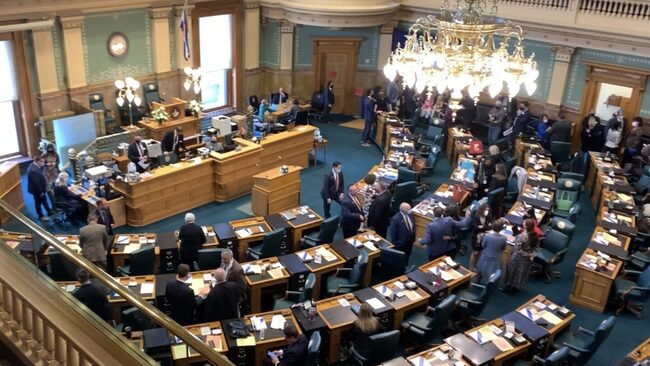
None of the four “progressive” mega-donors had any personal connections to most of the legislative districts they targeted. They didn’t live there, didn’t own property there, and in most cases probably had never seen the district.
The ideas that formed the Constitution, Part 21: Coke, Blackstone, and English law
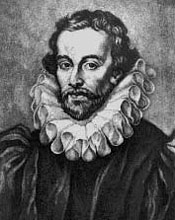
The framers wrote the Constitution with Anglo-American jurisprudence in mind.
The ideas that formed the Constitution, Part 20: Vattel and the Law of Nations

During the 17th and 18th centuries, five great scholars forged international law into its modern shape. The American Founders relied on their work.
New Video on the Limits of Congress’s Commerce Clause Power

Congress’ effort to regulate Indian child placement is unconstitutional.