
The 1768 Massachusetts Circular Letter: A Forerunner to the Constitution
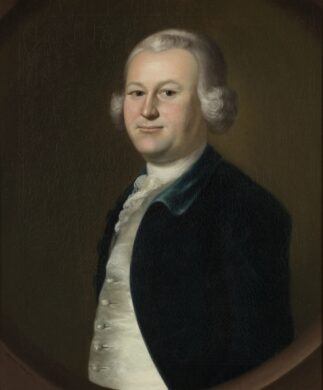
This letter anticipated important aspects of the Constitution, written two decades later.
New Supreme Court Case Reopens Question About the 2020 Presidential Election

An apparent violation of federal law caused Pennsylvania, and perhaps other states, to flip from Trump to Biden.
New Article on Federal Misuse of State National Guards
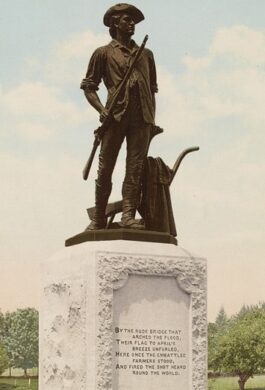
When states need their guardsmen, they often find that that they are unavailable because the feds have deployed them overseas—in clear violation of the Constitution.
The impact of three U.S. Supreme Court rulings on free enterprise

Accurate interpretation of the Constitution often promotes free markets.
Birthright Blunders

The Supreme Court made mistakes, but the Trump administration also was at fault for adopting the wrong strategy.
“Virgil and the Constitution” is Now Published!
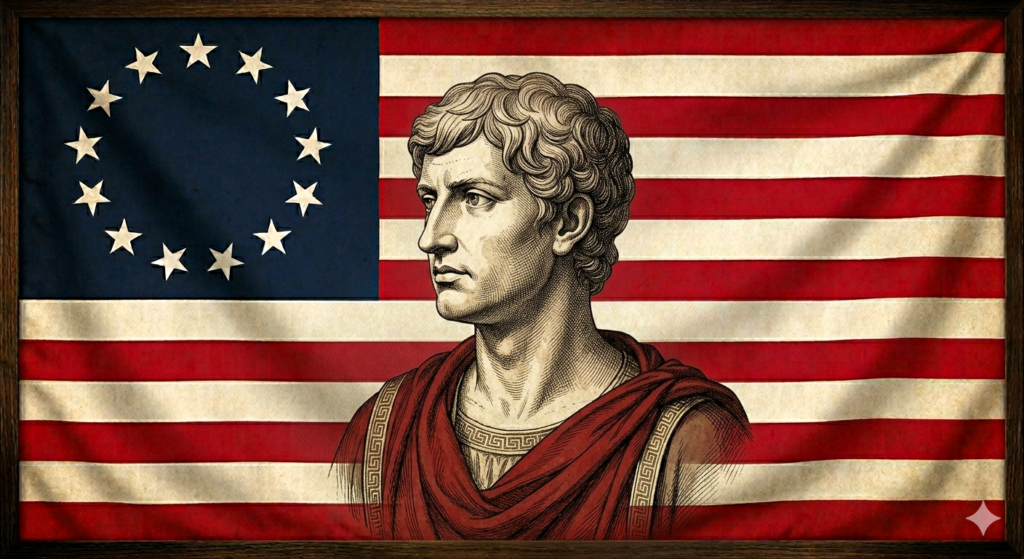
Virgil was by far the most popular poet among those who debated the Constitution.
Justice Gorsuch’s Take on the Major Questions Doctrine
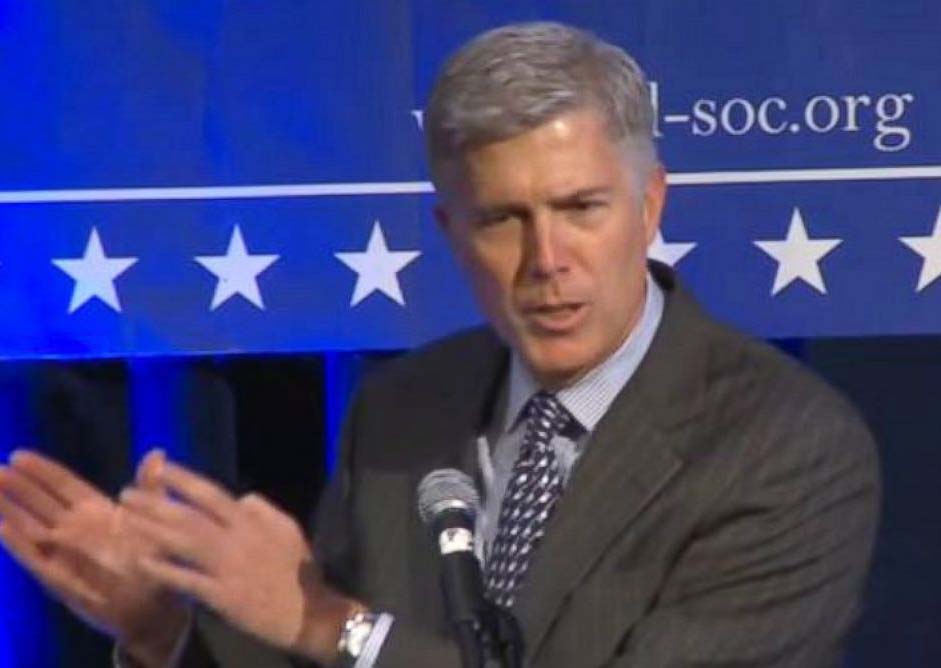
The Major Questions Doctrine is in the Constitution because it simply is the logical obverse of the Doctrine of Incidental Authority, which pervades the Constitution.
Does the Constitution require a declaration of war for President Trump to maintain his Iran offensive?

When the Constitution was adopted, international law required declarations only for offensive, not defensive, conflicts.
The Tariff Case—A Lost Opportunity (exclusive analysis for II)
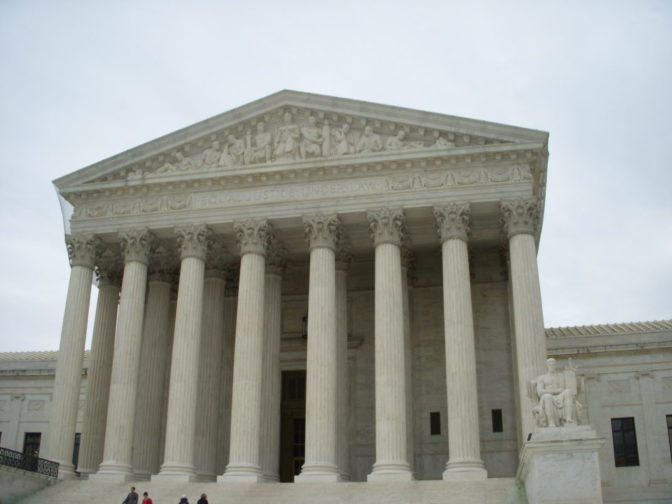
Learning Resources v. Trump was a lost opportunity to begin the process of nudging Congress back into its constitutional cage.
Lefty Claims that by Curbing Government Waste, Musk Violated the ‘Contitution’

The truth is that under a fair reading of the Constitution, most of the projects DOGE found were themselves unconstitutional.
Overturning the Twentieth Century?
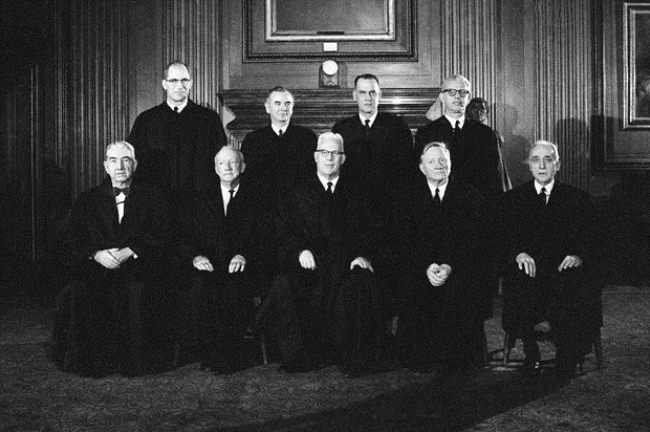
Elite opinion aside, the Supreme Court has not aggressively attacked the bad precedents of the past century. Maybe it should.
Phil Weiser’s effort to muzzle free speech

How Weiser endorsed a now-defunct Montana effort to silence people.