
The Colorado Supreme Court’s Decision Disqualifying President Trump
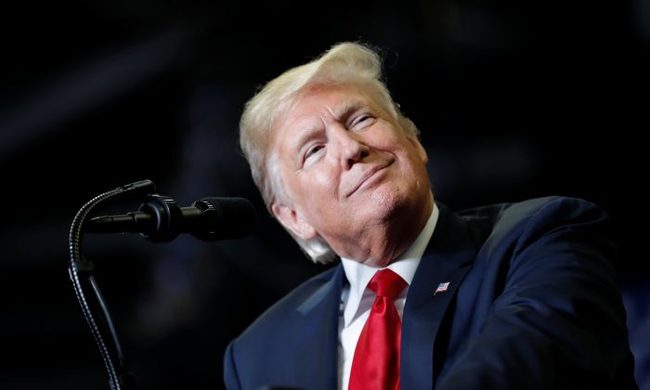
President Trump has never been convicted—or even charged—with insurrection. . . . I think there should be a conviction for criminal insurrection before a person is disqualified.
Christian Support for American Jews Began at the Founding

The Hamas terror attack of October 7 triggered an overwhelming display of support among American Christians for Jews and for Israel.
What Does the Constitution Mean by “Natural Born Citizen?”

The record shows that the Constitution’s meaning of “natural born” is complicated, but clear-cut
Heritage Foundation Paper Supports a “Convention of the States”
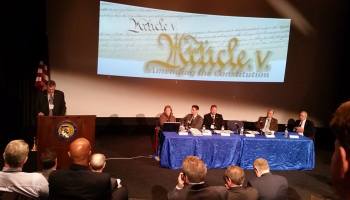
As for recent developments decreasing the “risk” of a runaway convention: That risk never existed.
Part #4: What’s Wrong with the Universities, and How to Fix It

Getting the feds out is probably the single most important step toward curing our universities.
Federal Power Outside the Constitution?
When the court believes that even its modern version of the Constitution doesn’t support a federal exercise of power, it nevertheless may uphold that exercise under the doctrine of inherent sovereign authority.
Some Reasons Why Lawsuits to Disqualify Trump Will Fail
No responsible court should hear such a case, and no responsible lawyer should bring it.
Constitution’s Impeachment Rules Require Biden Inquiry to Be Narrowly Focused

Constitutional writers have long understood the meaning of the terms “Treason,” “Bribery,” and high Crimes.” But the phrase “high Misdemeanors” was a subject of controversy.
The Highly Political and Misunderstood Case of Moore v. Harper
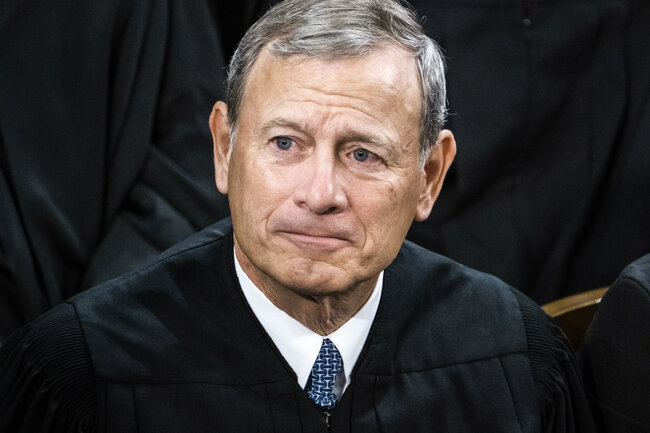
Chief Justice Roberts’s language may create confusion the next time a state has a contested presidential election.
Your Guide to This Year’s Constitutional Cases From SCOTUS, Part II
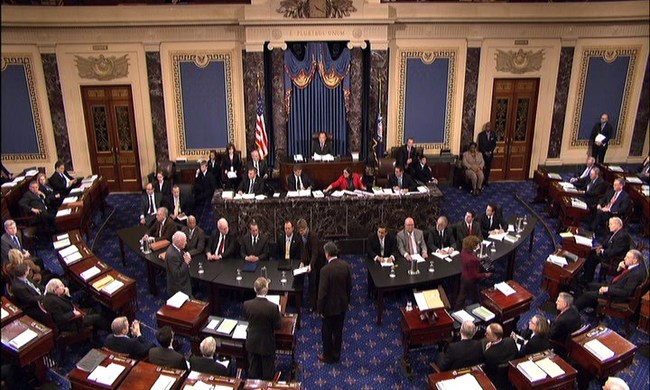
The current bench challenges administrative overreach, but not overreach by Congress.
Your Guide to This Year’s Constitutional Cases From SCOTUS — Part I
The Supreme Court issued both liberal and constitutionalist decisions.
Tyler v. Hennepin County: Why This Seemingly Innocent Decision is Disquieting
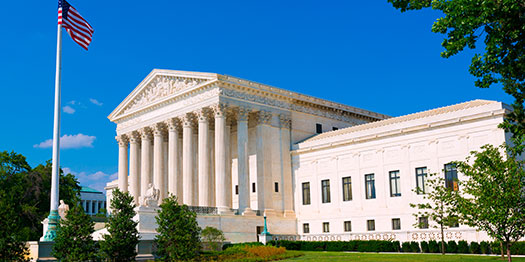
This case undermined state control over its own property law and probably gave the property owner an undeserved benefit.