
The Founders and the Twitter Mob

As the Founders recognized, the human impulse toward mob behavior is not going to disappear. But reforms can limit its influence.
Constitutional Originalists Love America
Being an originalist is not a good career move [but] we do it out of love.
Fact Check: No, overruling Roe v. Wade would not endanger other rights
Overruling Roe would have no effect on any of these other cases.
Why the Leak of the Draft Decision on Roe v. Wade?

A likely motive is to recreate what happened in Montana in 1972: to expose a potential swing justice to political pressure.
The Fascinating Supreme Court Opinions in the Vaello Madero Case
Justice Thomas punctured a judicial balloon and Justice Gorsuch issued his own sizzling opinion.
Did the Iroquois Confederation influence the Constitution? A myth they may be teaching your children
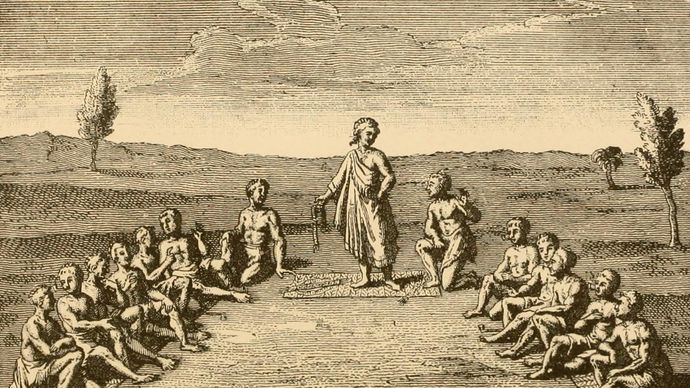
The Iroquois Confederation is a worthy subject for study . . . . However, students should not be taught that it had any significant effect on the American Union or on the Constitution.
A Preliminary Response to Prof. Ablavsky’s “Indian Commerce Clause” Attack
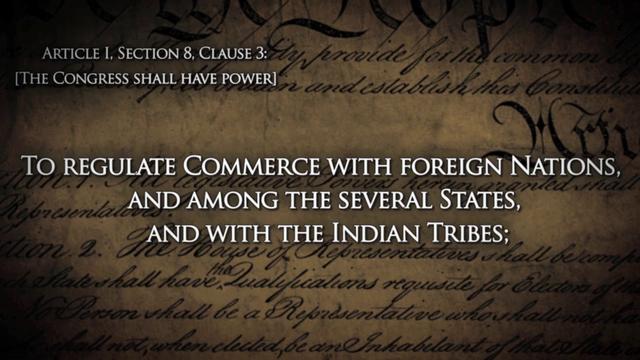
An advocate of vast congressional power takes quotes out of context, misrepresents what others say, and makes historical errors
The ‘Independent Legislature Doctrine’—and why it frightens many on the left

The hysteria has been matched only by the detractors’ astonishing constitutional ignorance.
Indian Child Welfare Act: Another case of Congress’s overreach goes to the Supreme Court

The Constitution does not give Congress authority to regulate the adoption of children.
SCOTUS should uphold the right of religious people to refuse to serve the LGBT agenda
The state and would-be “customers” interfering with [a religious] business model have no more constitutional standing than a thug who disrupts a church service or shouts down a speaker.
Understanding the Constitution: Why Biden is wrong to think the 9th Amendment protects abortion
[The court should restore the Ninth Amendment. Enforcing it would not protect abortion . . . rather, it would reduce the federal government to its constitutional limits.
How states can work together without the feds
States contemplating interposition usually should act in cooperation with other states. This essay outlines how methods of cooperation work.
