
The Meaning of “Regulate Commerce” to the Constitution’s Ratifiers: An Update
This latest survey—like all the previous ones—confirms that when the Constitution uses the word “Commerce,” it does so to mean only mercantile trade and its incidents.
Arizona v. Navajo Nation: SCOTUS Zags Back

A key part of the majority opinion seems to conflict with the majority opinion in an Indian law case decided just a few days earlier.
The Supreme Court’s Confused Decision in Haaland v. Brackeen
The Commerce Clause part of the decision is a mess. There is no more polite way to describe it.
New Video on the Limits of Congress’s Commerce Clause Power
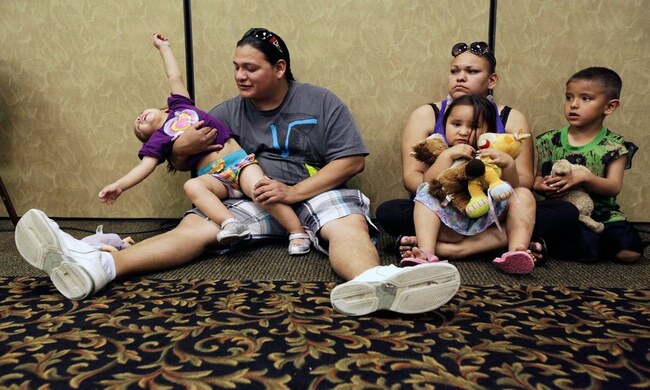
Congress’ effort to regulate Indian child placement is unconstitutional.
Will the Supreme Court stretch the Commerce Clause even more?
Some claim that when the word “Commerce” is applied to Native Americans, it magically balloons in scope, allowing Congress to regulate just about anything.
A Further Response to Prof. Ablavsky on the Indian Commerce Clause
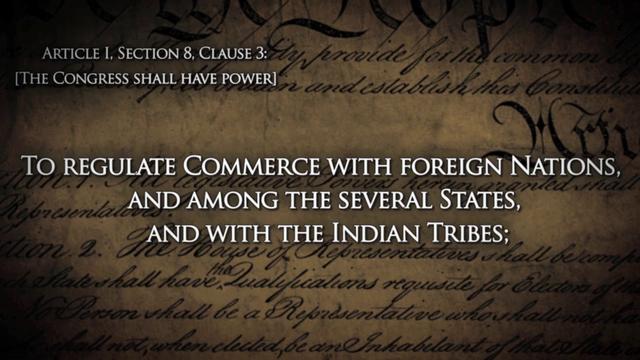
We discovered that Ablavsky’s work contained a disturbing number of inaccurate, non-existent, and misleading citations, as well as deceptively-edited quotations.
The Constitution’s rules for relations with Indian tribes: part II

The leading myth in Indian law is that the Constitution gives Congress “plenary” (absolute) authority over Indian affairs.
The Supreme Court’s recent—and sweeping—Indian Law cases: part I
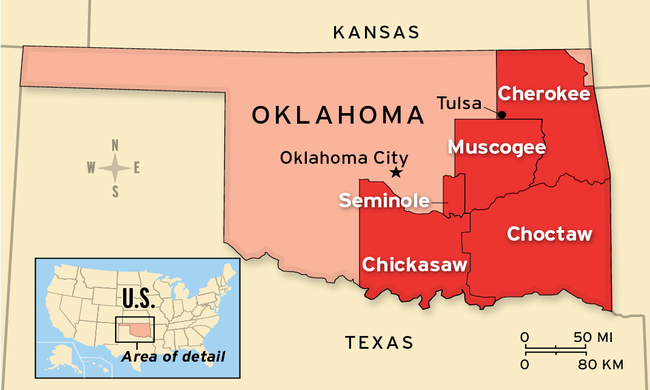
One reason the votes in these cases were so close is that the law of tribal sovereignty is chaotic.
The Fascinating Supreme Court Opinions in the Vaello Madero Case
Justice Thomas punctured a judicial balloon and Justice Gorsuch issued his own sizzling opinion.
A Preliminary Response to Prof. Ablavsky’s “Indian Commerce Clause” Attack
An advocate of vast congressional power takes quotes out of context, misrepresents what others say, and makes historical errors
Indian Child Welfare Act: Another case of Congress’s overreach goes to the Supreme Court
The Constitution does not give Congress authority to regulate the adoption of children.
II Senior Fellow Natelson’s Research Again Relied on by a Supreme Court Justice
Rob’s research, published in the 2008 article, showed convincingly that Justice Thomas was right to be skeptical.