
The 1889 St. Louis Convention of States
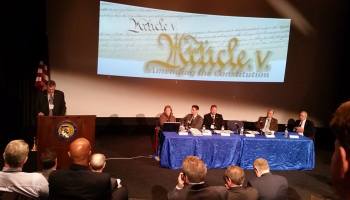
A frequent argument against a convention for proposing constitutional amendments is that there are “no precedents” for determining the rules and procedures for such a gathering, other than the Constitutional Convention of 1787. Although opponents persist in this claim, it has long been debunked: The Constitutional Convention was far from the only meeting of its […]
State Lawmakers! Don’t Put Extraneous Matter in Your Article V Application

by Robert G. Natelson State lawmakers sponsoring an Article V convention application often find that other lawmakers want to add extraneous matter to the application. This may include conditions beyond the mere subject-matter, instructions to commissioners, specific amendment language, convention rules, and pronouncements of various kinds. Don’t agree! Adding such material is both unprofessional and […]
Constitutional Convention: John Jay Letter Shows Its Power Came from State Legislatures, not Congress
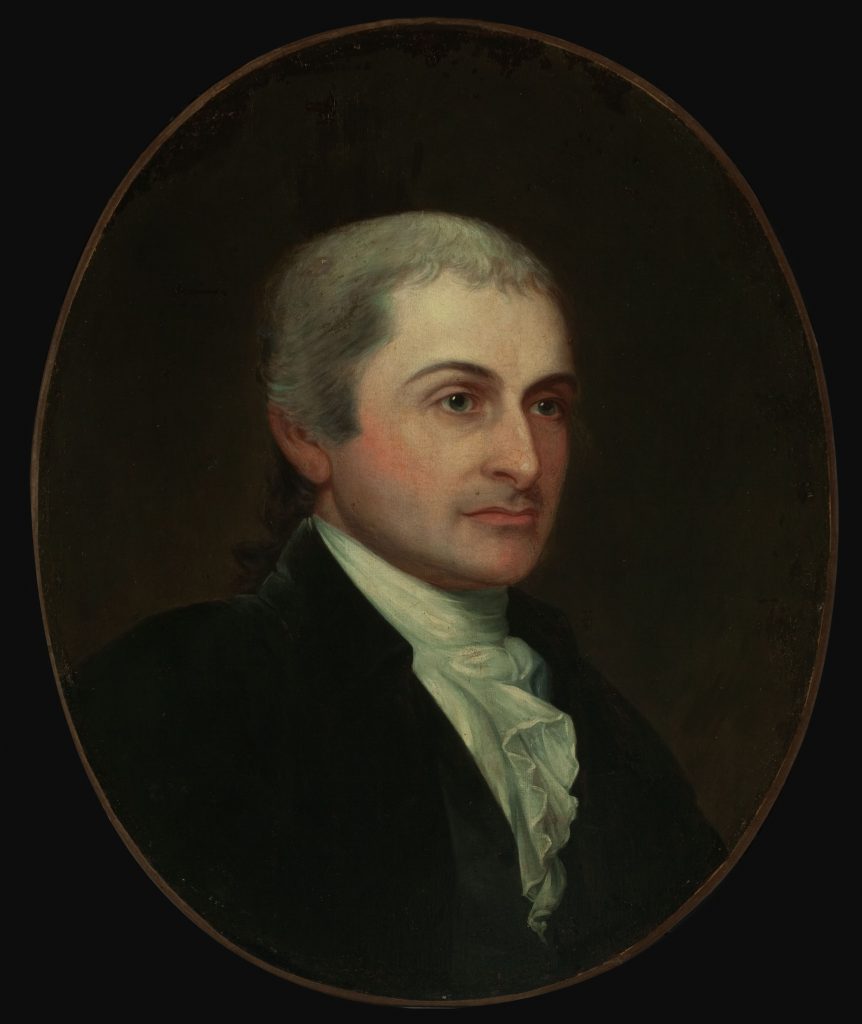
A persistent constitutional myth has it that (1) Congress called the Constitutional Convention under the Articles of Confederation, (2) the convention drew its power from Congress, and (3) the convention exceeded its power when it recommended a new Constitution rather than merely propose amendments to the Articles. As readers of this website know, however, the […]
This Resolution Suggests Congress Did Agree to a Broad Constitutional Convention
On April 23, 1787, the Confederation Congress extended the post office franking privilege to all commissioners about to attend the Constitutional Convention. In other words, Congress gave to convention delegates the same privilege to send and receive free mail its own members enjoyed. Why is that important? Because it tends to show that Congress accepted […]
Changed Conditions May Justify Term Limits
This is the full version of an op-ed first appearing in the Detroit Daily News. Advocates for term limits want to amend the Constitution to add them. Their most common argument is that restricting how long an elected official may serve will curb special interest influence and other federal abuse. The Articles of Confederation, the document […]
What should you remember when drafting a constitutional amendment?
Last month, Citizens for Self Governance sponsored a simulated convention for proposing amendments in Williamsburg, Virginia. I was an adviser for the project, and just before the initial meeting I spoke to the assembled commissioners. My purpose was to provide them with some last-minute tips on drafting proposed constitutional amendments. Several people have asked me […]
What Connecticut’s Authorizing Documents Tell Us About the Constitutional Convention—and About Modern Misinterpretations
On May 11, 1787, the Samuel Huntington, the governor of Connecticut, addressed his state legislature about the pending Constitutional Convention. Shortly thereafter the legislature adopted a law governing Connecticut’s participation in the gathering—the eleventh state to do so. (Only Maryland acted later.) The governor’s remarks, and the ensuing legislative resolution, illustrate the following: * The […]
Could Congress Control an Amendments Convention? Not According to the Founders!
As we move closer to holding a “convention for proposing amendments” to restrain federal overreach, naysayers have not been silent. One of their claims is an amendments convention would be fruitless or dangerous because it could be controlled by Congress. The Constitution directs Congress to “call” an amendments convention when two thirds of the state […]
Simulation Shows What An Amendments Convention Would Be Like
This article was first published by CNSNews. How would an Article V “convention for proposing amendments” work? What would be its agenda? What about its procedures? How would voting be conducted? History and constitutional law provide the answer to most of those questions, but it also helps to have a specific modern example. That is […]
When We Amend the Constitution, Make Sure We Follow the U.S. Procedure, not the “Confederate States” Procedure
People who claim that states may, through state law, dictate the wording of amendments to the interstate “convention for proposing amendments” are not accurately representing the system laid out in Article V of the U.S. Constitution. Rather, they are unwittingly advocating a system similar to the one adopted by the defunct “Confederate States of America.” […]
Phyllis Schlafly, RIP
I extend my sincere condolences for the death of Phyllis Schlafly to her family and followers. Mrs. Schlafly could rise to greatness. Her book, A Choice Not An Echo, became a standard of the conservative movement. Her successful campaign against the poorly drafted “Equal Rights Amendment” was a classic instance of how a single individual […]
Statement by Rob Natelson on the “Compact for America’s” Latest Attack
The authors affiliated with the Compact for America (CFA) would have us believe that states may use their ordinary law-making power to reduce the Constitution’s extended five-step amendment procedure to two steps, and that the courts will meekly acquiesce. Common sense tells us that the courts are unlikely to do so. The conclusion of common […]
