
The Convention of States in American History
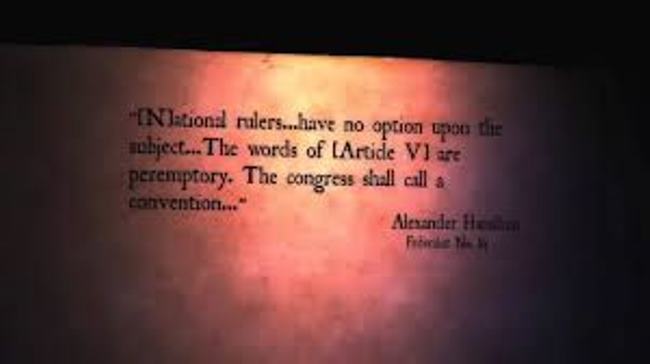
In this short essay, constitutional historian Rob Natelson thumbnails the three-centuries long history of “conventions of the states.” When delegations from the states assemble in Phoenix, Arizona later this year, they will be basking in a long and rich American tradition. As far back as 1677, British colonies in North America sent “commissioners” (delegates) to […]
Convention Rules for a Convention of the States

The convention of the states meeting in Phoenix, Arizona in September will need a set of rules. Moreover, that convention will be engaged in further rule-writing because the Arizona Legislature called it partly to suggest rules for a prospective Article V Convention for Proposing Amendments. I suggest the planners start with the Model Rules provided […]
Where Congress’s Power to Regulate Immigration Comes From

Congress’s power to regulate immigration comes from the law of nations—the meaning of which many constitutional commentators are unfamiliar.
How Progressives Promoted the “Runaway Convention” Myth To Protect the “Warren Court’s” Judicial Activism
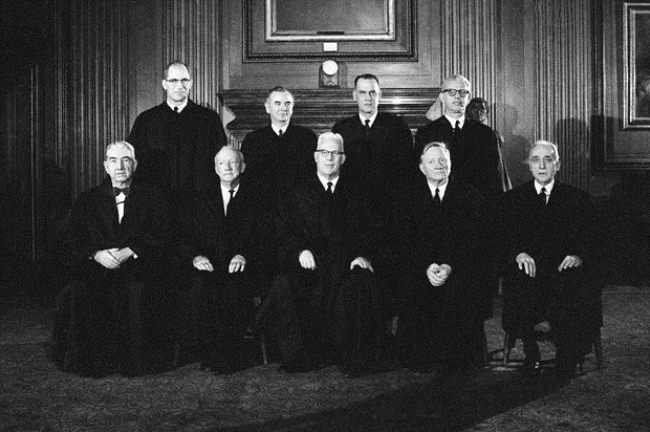
You may have heard alarms that if we hold a national convention for proposing constitutional amendments the gathering would be an uncontrollable constitutional convention (“con-con”) that could propose anything at all. The claim is called the “runaway scenario.” It has almost no basis in history or law. But it has long frightened Americans away from […]
Scalia Probably Favored An Amendments Convention — But Does It Matter?

A majority of state legislatures have voted to trigger the U.S. Constitution’s most important procedure for reforming the federal government. This is the gathering that Article V of the Constitution calls “a convention for proposing amendments”—more popularly known as a “convention of states.” Advocates of a convention of states rely on a supportive statement made by the […]
First National Convention of States in 150 Years!

Americans finally have a real chance to “clean up the mess in Washington.” That’s the implication of the news that the Arizona legislature has called the first national “convention of states” in over 150 years. The conclave will meet in Phoenix on September 12. Its purpose is to plan for a later convention to propose […]
Mismanaged pension funds are imperiling state budgets

As the looming public pension storm gathers strength, debate is expanding past technical matters and into the governance structures of taxpayer-funded pension plans. The problems that beset our public pensions are not the result of random chance, evil spirits, or swamp gas. They are the result of conscious decisions made by human beings.
The Relationship Between the Declaration of Independence and the Constitution
I’m sometimes asked about the relationship between the Declaration of Independence and the Constitution. Their connection is not difficult to understand. The Declaration is a statement based on natural law. Natural law consists of fundamental principles of justice and right. Monotheists see natural law as deriving from the Creator. Polytheists see it as deriving from […]
A New Look at the Founders Through the Postal Clause

The Constitution’s Postal Clause grants Congress power to “establish Post Offices and Post Roads.” There is a fascinating history behind that provision, which I explore in a new article linked here. Some of the highlights: * Although the Founders generally favored free enterprise over state-owned business, they made an exception for postal services. * As […]
The 1889 St. Louis Convention of States
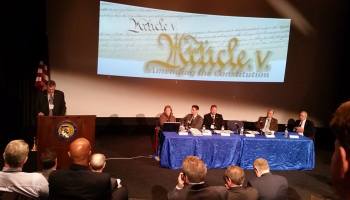
A frequent argument against a convention for proposing constitutional amendments is that there are “no precedents” for determining the rules and procedures for such a gathering, other than the Constitutional Convention of 1787. Although opponents persist in this claim, it has long been debunked: The Constitutional Convention was far from the only meeting of its […]
State Lawmakers! Don’t Put Extraneous Matter in Your Article V Application

by Robert G. Natelson State lawmakers sponsoring an Article V convention application often find that other lawmakers want to add extraneous matter to the application. This may include conditions beyond the mere subject-matter, instructions to commissioners, specific amendment language, convention rules, and pronouncements of various kinds. Don’t agree! Adding such material is both unprofessional and […]
Constitutional Convention: John Jay Letter Shows Its Power Came from State Legislatures, not Congress
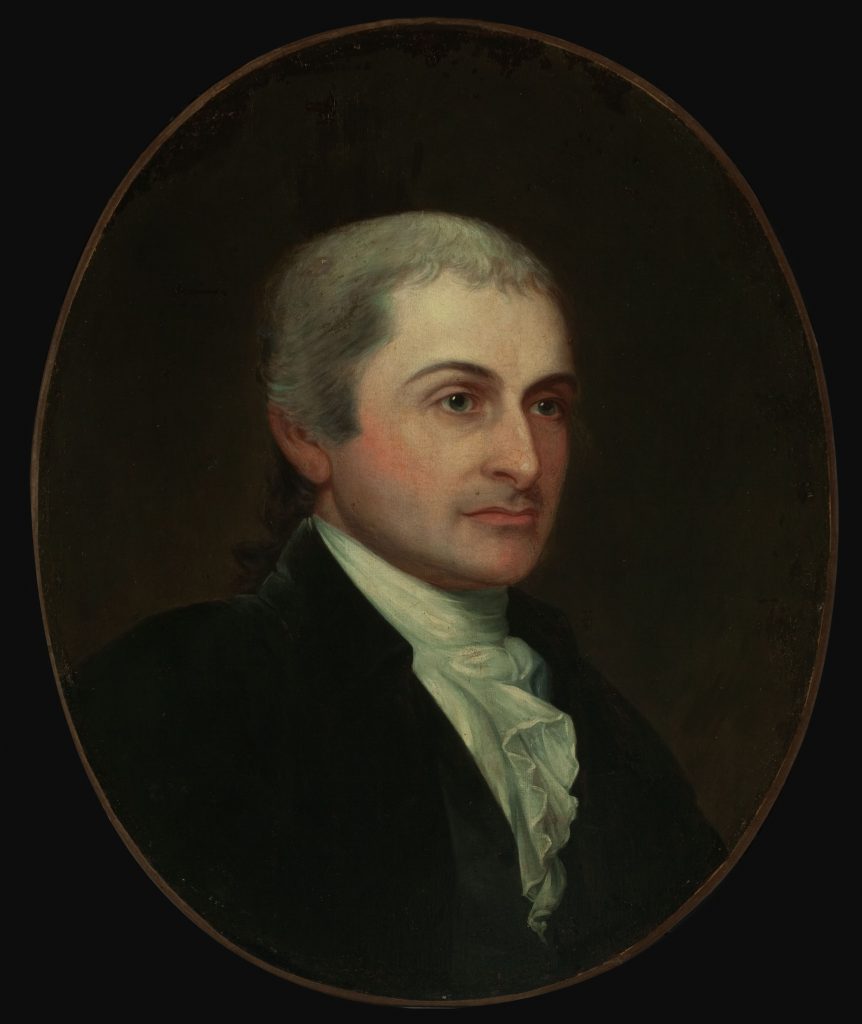
A persistent constitutional myth has it that (1) Congress called the Constitutional Convention under the Articles of Confederation, (2) the convention drew its power from Congress, and (3) the convention exceeded its power when it recommended a new Constitution rather than merely propose amendments to the Articles. As readers of this website know, however, the […]