
Amending the U.S. Constitution: a basic guide
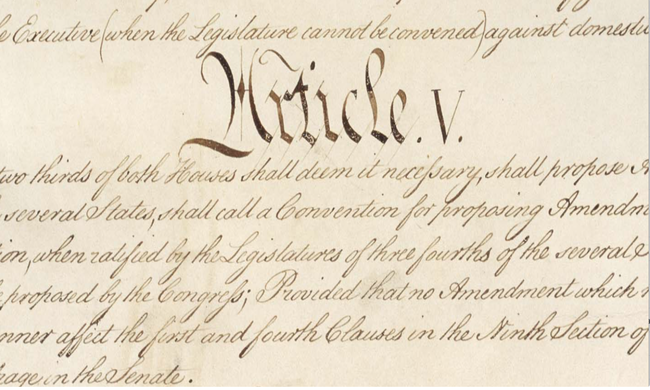
Historically, amendments have proven to be powerful vehicles for reform.
The verdict is in: We do not have a “conservative Supreme Court”
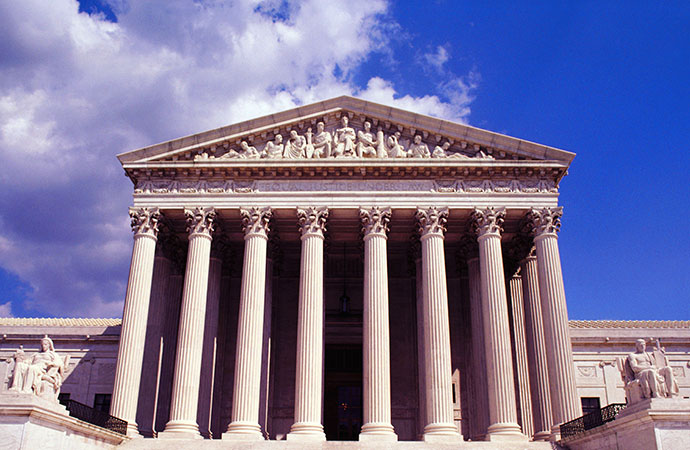
The Supreme Court term just over certainly confirmed what I wrote shortly after it started: The constant refrain that the current bench is a “conservative Supreme Court” with a “conservative majority” is flat wrong.
New SCOTUS case does more than pave the way to reverse Roe v. Wade
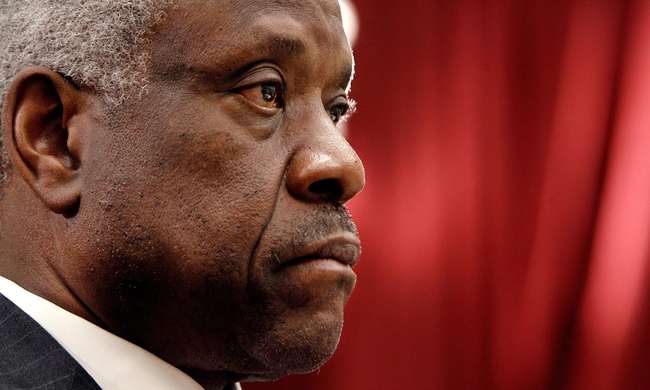
Justice Clarence Thomas’s concurrence probably received the most media attention. It is an essay on when the Supreme Court should follow precedent or overrule it. It helps lay the basis for reversing Roe v. Wade . . . .
Curb on the regulatory state? Court holds corporations protected from “excessive fines”

Colorado Supreme Court ruled that the Excessive Fines Clause does protect corporations.
How our presidential election system works

Some writers claim the framers adopted an indirect election procedure because they didn’t trust democracy. This is an oversimplification. The framers balanced many factors.
Judicial oligarchy is the wrong way to decide abortion policy

On abortion policy America has ceased to be a democracy and has become a judicial oligarchy.
More on how National Popular Vote would import third world “elections” to America

Nevada and Colorado legislatures voted to import a failed third-world election system into the United States.
The Supreme Court re-affirms Indian treaty originalism

Why do many judges and commentators abandon standard interpretative methods when addressing some parts of the Constitution? The answer is clear.
Are we in a constitutional crisis? Yes, but it’s not what you think

Will the American people correct the situation and end the crisis? Or is our era of constitutional government over? The answers depend largely on the fate of the “convention of states” movement.
Leading Dem politicos utterly lack real world experience

Note the gaps in the biographies of all these people: A youthful disposition toward liberal ideology. No significant challenge to that ideology. No experience in small or entrepreneurial business either as an employer or employee, nor even in local government.
What’s good about the U.S. Constitution
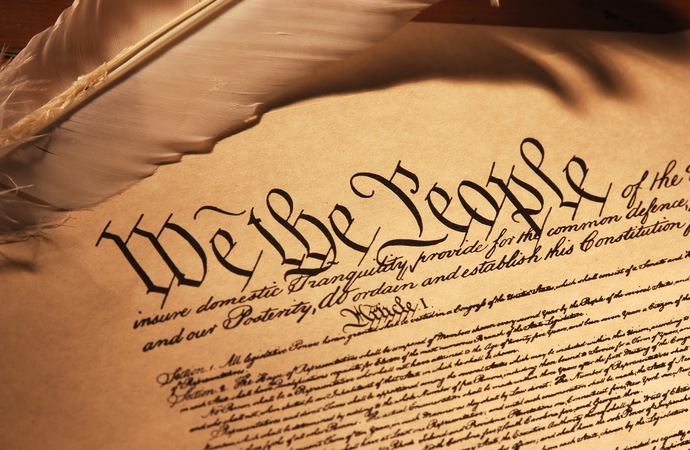
Many federal programs have been adopted in excess of the original Constitution’s limits on federal authority. They have been identified as culprits behind a number of serious social problems.
The Supreme Court just applied originalism to an Indian treaty, so why not to the Constitution?
This case illustrates how judges apply originalism for almost all legal documents — except the Constitution.
