

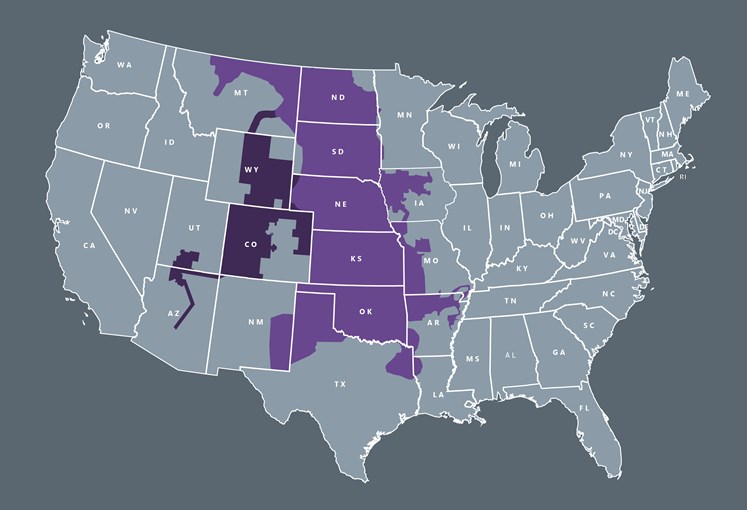


A week after Colorado utilities joined the Southwest Power Pool (SPP) on April 1, the RTO has issued a Resource Advisory for the West, active through April 13. SPP’s brand-new western footprint is experiencing its first reliability stress event. The public does not need to “conserve energy or take any action,” to respond to the alert, but reliable Colorado power plants may need to be called upon to generate.
SPP-West is dominated by Colorado and some parts of Wyoming, Utah, and Arizona. SPP issued the advisory citing “load uncertainty, increased potential for low output from wind and other variable energy sources… leading into peak hours, and potential for resource outages.” SPP’s East balancing authority is seeing no such warnings. An SPP spokesperson told RTO Insider that the alert is “Nothing alarming, but exactly the kind of conditions our advisories are designed to flag early so operators can prepare.”

We are hearing that Craig Unit 1 may be operational and on standby to assist tomorrow, should conditions require it. The retirement of the coal-fired power plant was staved off on December 30, 2025, with an order under Section 202(c) of the Federal Power Act, which directs Tri-State and the plant’s co-owners to keep it available to operate for 90 days. The order was renewed on March 31, 2026, which will keep Craig Unit 1 available through June 28, 2026. Craig is now under SPP’s dispatch authority as of April 1.
The Colorado Sun criticized the order at the time, saying that “the plant still hadn’t been called on for actual power,” during the first of the orders. Don’t expect a mea culpa if Craig needs to run for reliability reasons, a mere week after joining an RTO that was supposed to enhance the reliability of the grid. This is exactly the scenario the DOE order was designed for and why dispatchable, baseload power like Craig Unit 1 is so important.
