
SCOTUS Curbs EPA: The Sackett Case
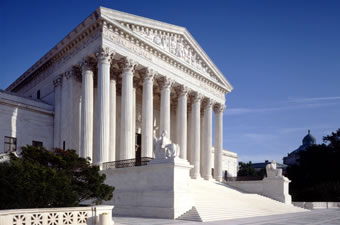
Justice Alito’s majority opinion held that the phrase “waters of the United States” means only defined bodies of water—such as lakes and streams—and those wetlands that so border them that their waters’ surface merges with the surface of the lake or stream.
The Supreme Court’s New Decision on ‘Taking Property’
The justices unanimously ruled that keeping the entire tax-sale proceeds was unconstitutional.
The Founders and the Constitution, Part 13: The Connecticut Delegates
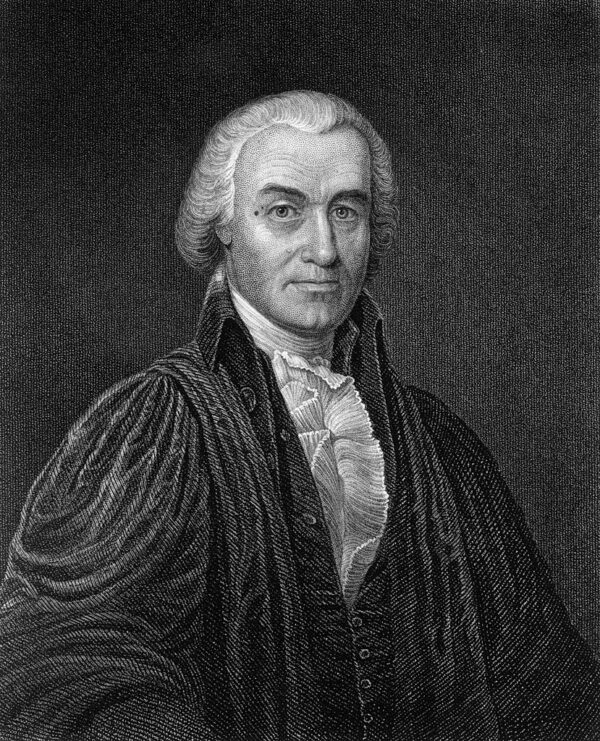
The Connecticut delegates achieved their goals through their willingness and skill in proposing moderate solutions and mutually reinforcing each other.
The Founders and the Constitution, Part 12: Benjamin Franklin
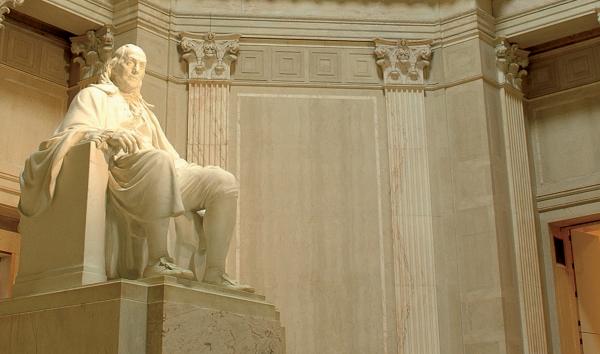
Franklin often used his wit to communicate real-world lessons.
The D.C. Circuit’s Convoluted Opinion on the “Equal Rights Amendment”
With one exception, neither the judges nor the parties in the case seemed to understand any of the basic principles of amendment law listed here.
The Founders and the Constitution, Part 11: George Mason
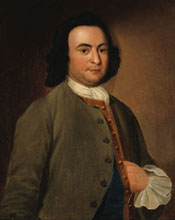
Mason impacted the Constitution both by helping to draft it and helping to oppose it.
The “Nondelegation” Doctrine and the Necessary and Proper Clause
The scope of permissible delegation must be determined from the text of each power and the surrounding context. But there is no need to insert the Necessary and Proper Clause into the equation, except as a useful reminder.
Why Madison’s 1800 Report is Irrelevant to the Constitutional Debate Over Immigration

For many reasons, you shouldn’t try to recreate the Constitution’s original meaning from sources arising after the Constitution was adopted.
The Founders and the Constitution, Part 10: Gouverneur Morris
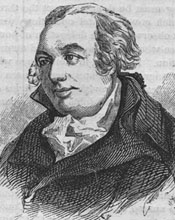
Morris, who put the final finish on the Constitution, was a fierce opponent of slavery.
The Supreme Court Might Curb the ‘Deep State’ by Overruling the Chevron Case
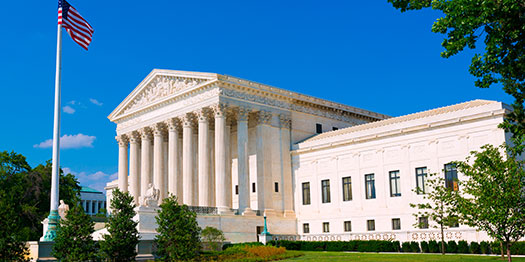
The Chevron doctrine imposes an almost impossible burden on citizens challenging the power of federal agencies. The Supreme Court might reverse that.
The Founders and the Constitution, Part 9: George Washington
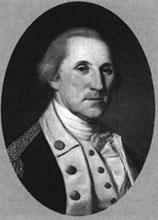
Washington influenced the Constitution’s operation far more as president than as a framer.
Why Biden Can’t Use the 14th Amendment to Raise the Debt Ceiling

Not raising the debt limit doesn’t cause default; it just forces the federal government to run a balanced budget.