
RTD’s death spiral
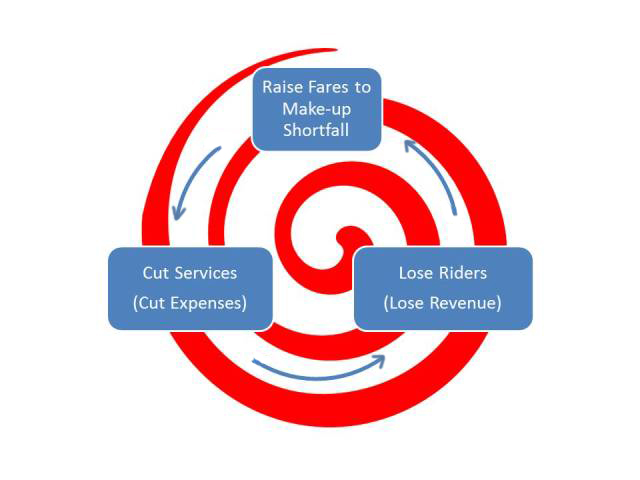
Much of RTD’s problem stems from its mania for an obsolete form of transportation: trains.
Getting serious about housing affordability

Although many cities across the country are facing serious housing shortages, the efforts they are making to fix the problem are doomed to failure. Their so-called affordable housing programs address symptoms, not causes, and apply band-aid solutions when far different (but less costly) tools are needed. Median home prices in most American cities are less […]
Mass transit is collapsing everywhere

Nationwide transit ridership in March 2018 was 5.9 percent below March 2017, according to the latest data published by the Federal Transit Administration. Following three years of steady declines, these numbers present a dire picture of the nation’s transit industry. Ridership declined in all of the nation’s 38 largest urban areas (and the 39th, Providence, […]
It’s time to hit the brakes on high-speed rail spending
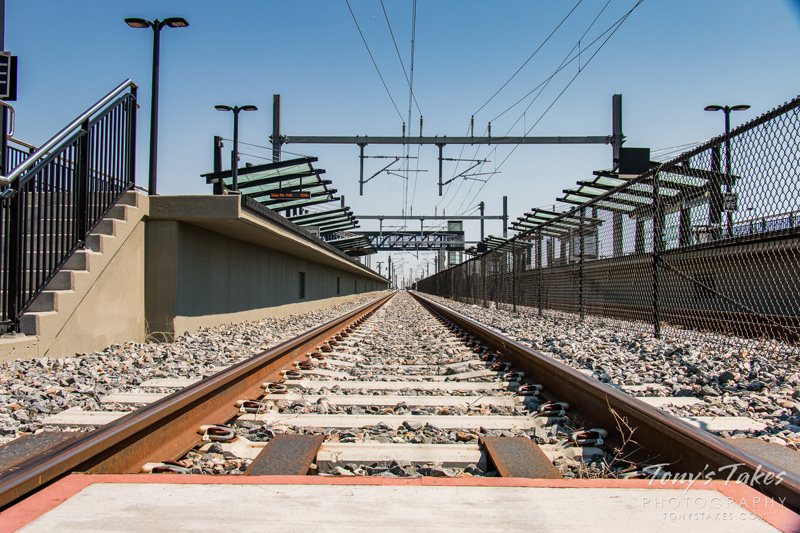
None of these projects make sense because — in case you haven’t noticed — we have this new-fangled technology called airplanes that go twice as fast as the fastest trains in the world and require almost no infrastructure, which means their costs are much lower than trains. So why are Americans so bedazzled by trains?
Denver has a coming transit apocalypse
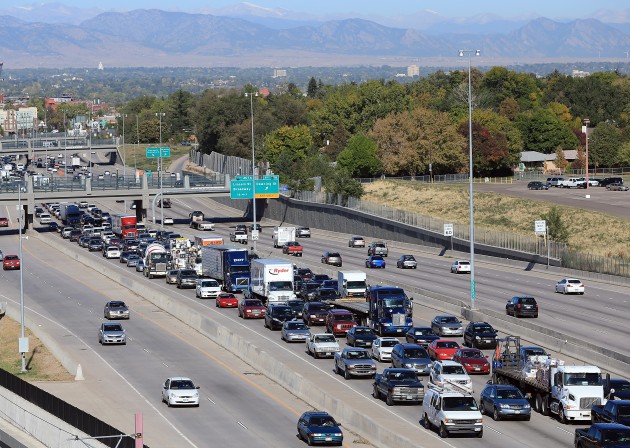
In 2004, Denver’s Regional Transit District (RTD) persuaded voters to pay billions of dollars in taxes to build a 19th century rail transit system for a 21st century urban area. Thirteen years later, this experiment is increasingly proving to be a failure.
Ridership on Denver’s new R and W light-rail lines is so low that RTD is reducing train frequencies. After more than a year of operating a rail line to the airport, the agency still hasn’t figured out how to make its automatic crossing gates work reliably, a problem private railroads solved more than 80 years ago.
Cities must end the economic apartheid of ‘growth management’
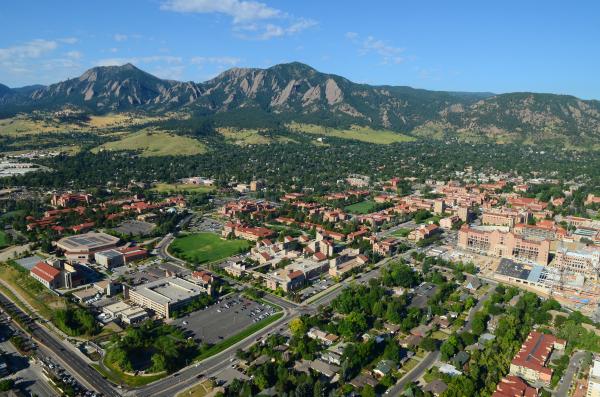
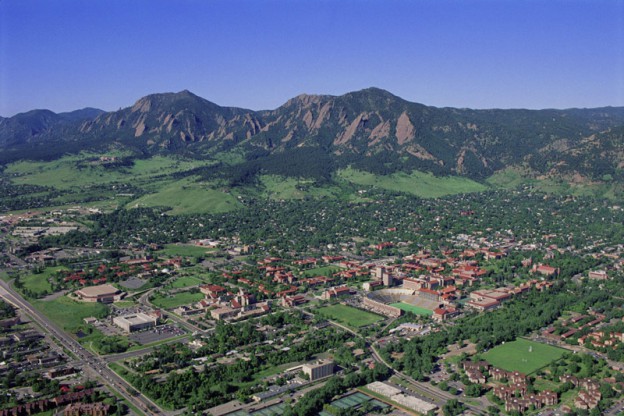
Boulder residents would bristle at claims they are racist, but the nation’s most progressive cities tend to be the ones that have adopted policies that make housing unaffordable and push low-income people out. Since black per capita incomes remain about 60 percent of whites, they are some of the first to leave such cities.
Congress should approve Trump’s effort to stop funding local transit boondoggles
President Trump has proposed to stop funding new New Starts projects. New Starts, along with its subsidiary program Small Starts, is a multi-billion-dollar fund created by Congress, and funneled through the Federal Transit Administration (FTA), that gives cities incentives to build the most expensive transit systems possible so they can get “their share” of the “free” federal dollars.
Using Disparate Impact to Restore Housing Affordability and Property Rights in Colorado
Fair-housing advocates should question policies that increase housing costs by intruding on private property rights. These include growth- management tools such as urban-growth boundaries, the use of eminent domain for economic development, rent control, inclusionary zoning, and excessive impact fees, all of which benefit a few at everyone else’s expense. In approving the disparate- impact doctrine, the Supreme Court has offered a tool to both affordable-housing advocates and property-rights advocates for undoing these rules and policies that make housing less affordable.
